
Everything I have written down, in one place. Twelve categories, one hundred six recipes, plus a world cuisine collection organized by country instead of category, all of them things I have cooked in professional kitchens long enough to know where they go wrong.
They are grouped the way a kitchen actually thinks about them rather than alphabetically. If you learn the mother sauces you have the foundation for most of the sauces below them. If you learn the 3:1 oil-to-acid ratio in the dressings, you already understand most of the marinades. The categories are not filing cabinets, they are a sequence.
If you are starting from nothing, start with the mother sauces. Everything else on this page is downstream of them.
The Five Mother Sauces
The foundation of classical French cooking and the reason the rest of the sauce world makes sense. Learn these six and you can build a few hundred others from them without another recipe. Start with the overview.


Soups and Chowders
Stock, patience, and knowing when to stop. Most soup failures are seasoning failures, and most chowder failures happen in the last five minutes. See all soups and chowders.


Sauces and Condiments
The working sauces, the ones that go on the plate rather than into the next dish. Some are five minutes and a bowl, one of them takes a month of fermentation. See all sauces and condiments.


Salad Dressings
None of these take more than a few minutes and a jar with a lid. Homemade dressing is not harder than store-bought, it is just a step people skip out of habit. See all salad dressings.


Marinades
A marinade is a decision you make hours before dinner, and marinating longer is not marinating better. Each of these tells you the time limit and what happens if you ignore it. See all marinades, with the how-long-to-marinate chart.


Side Dishes
Nine sides from nine kitchens, grouped by what they teach rather than by where they come from: how to salt a vegetable, how to ferment one, how to cook one in stages. A side dish has one job, to fix what the main is missing. See all side dishes.


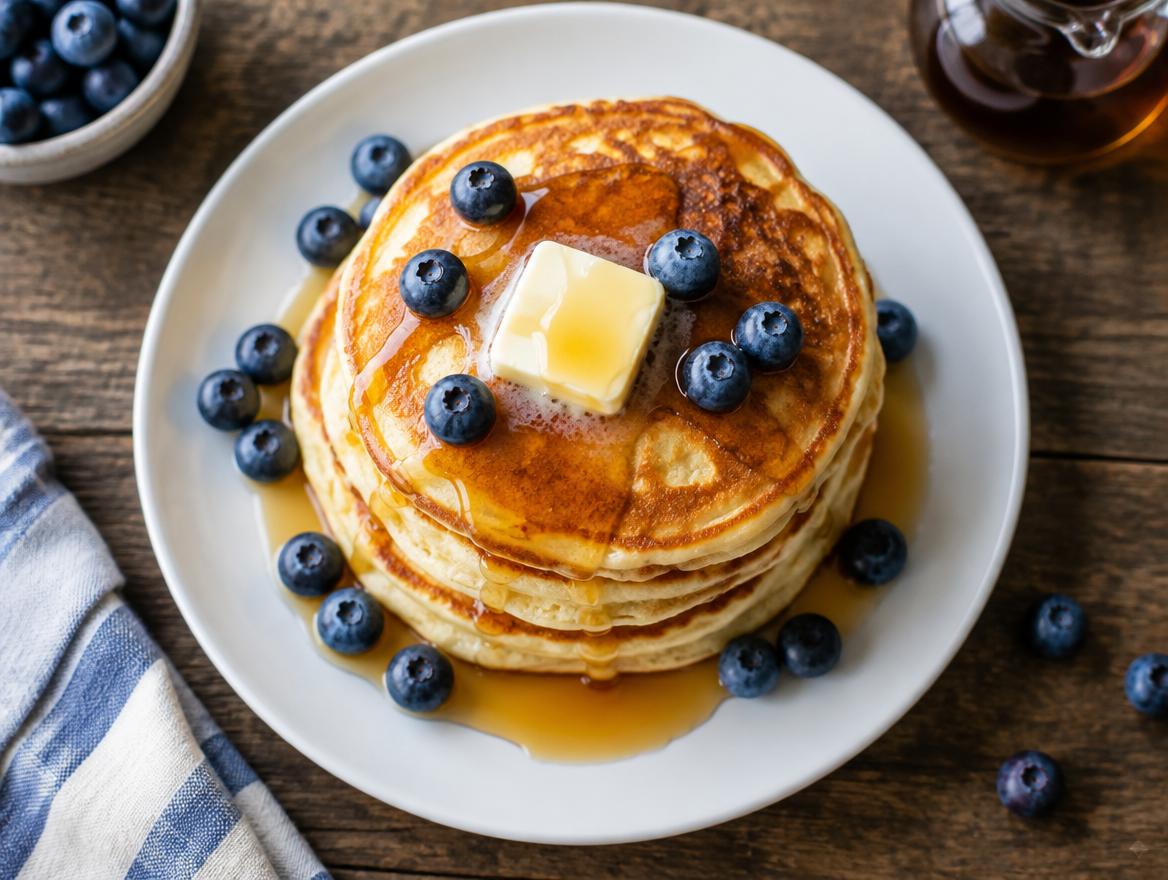
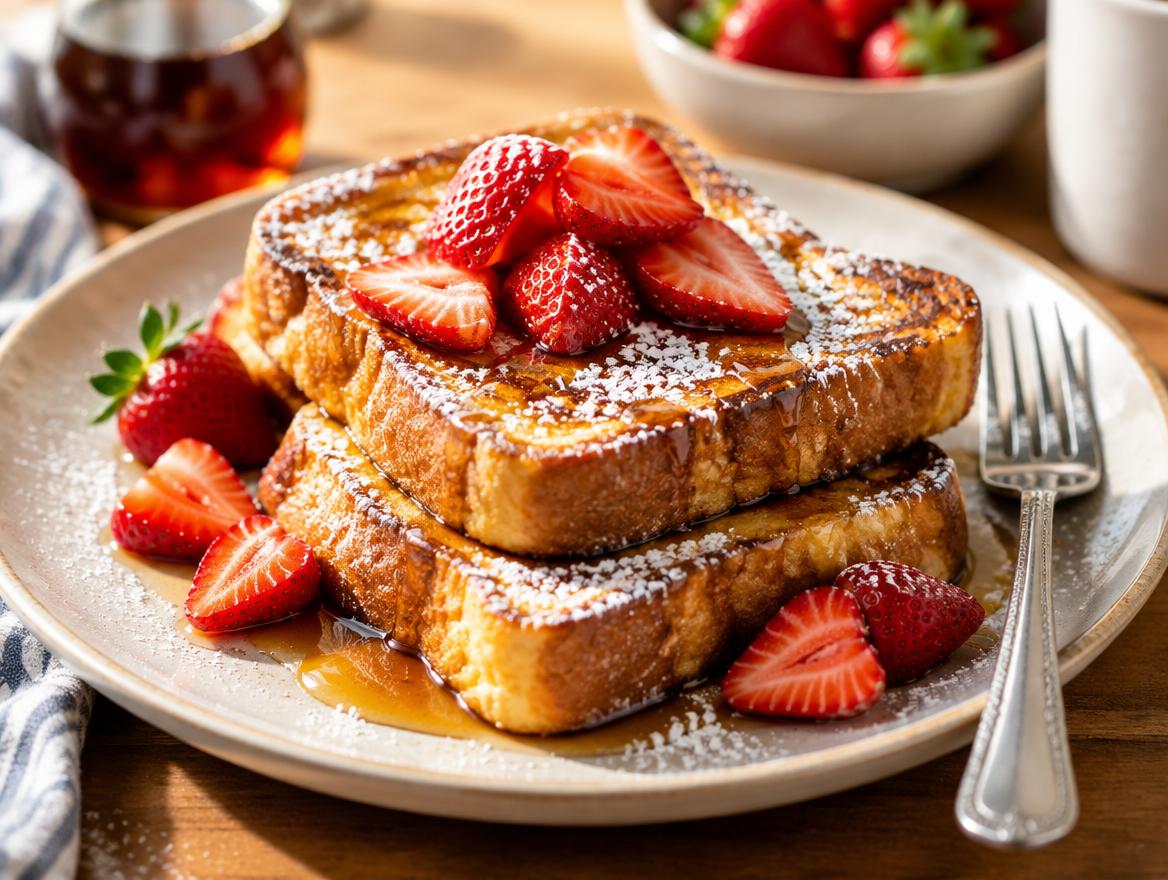
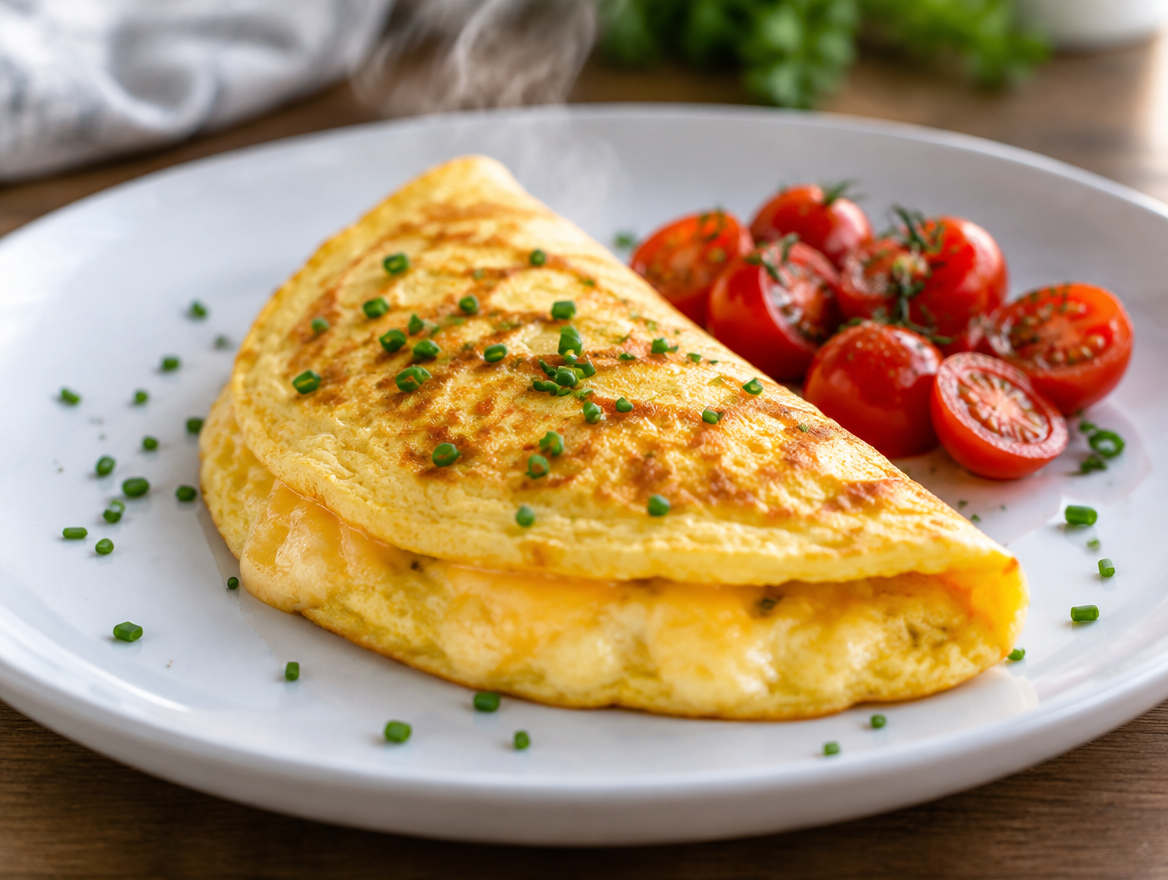
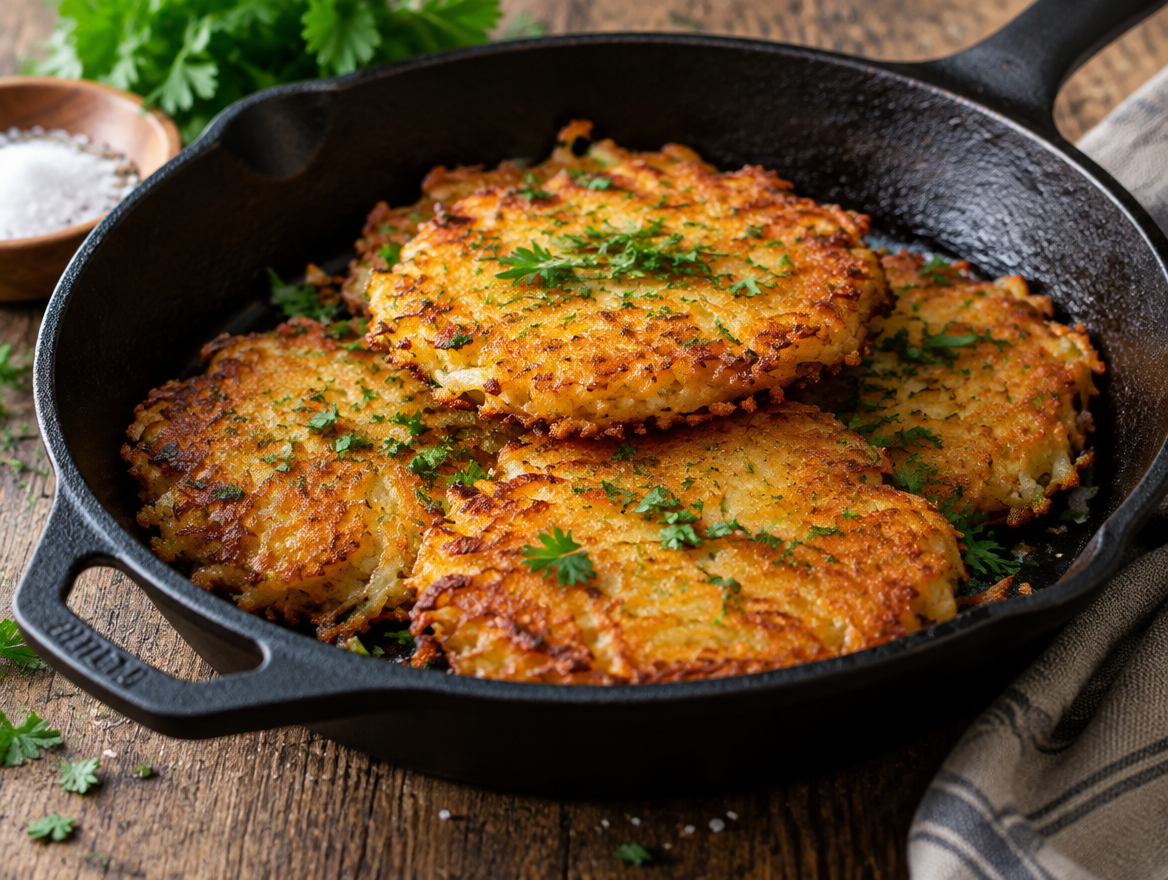
Breakfast
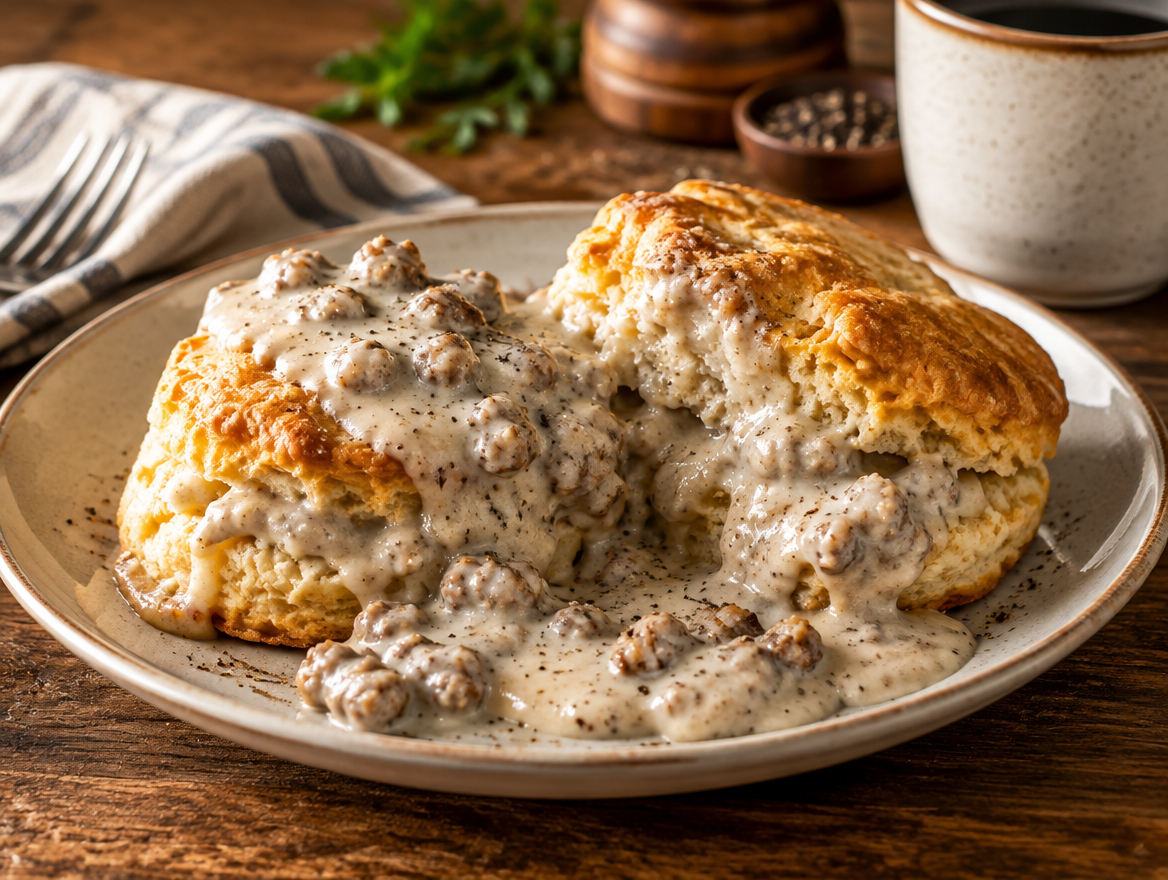
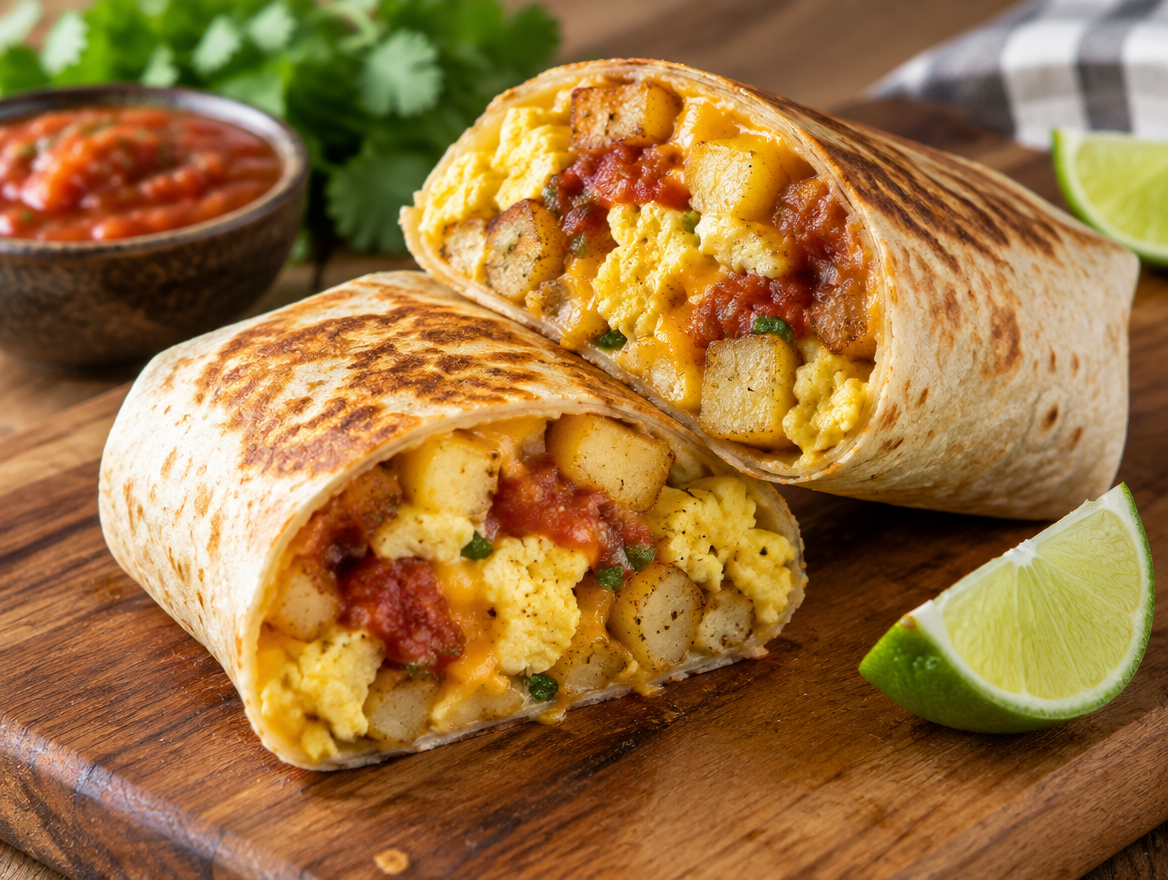
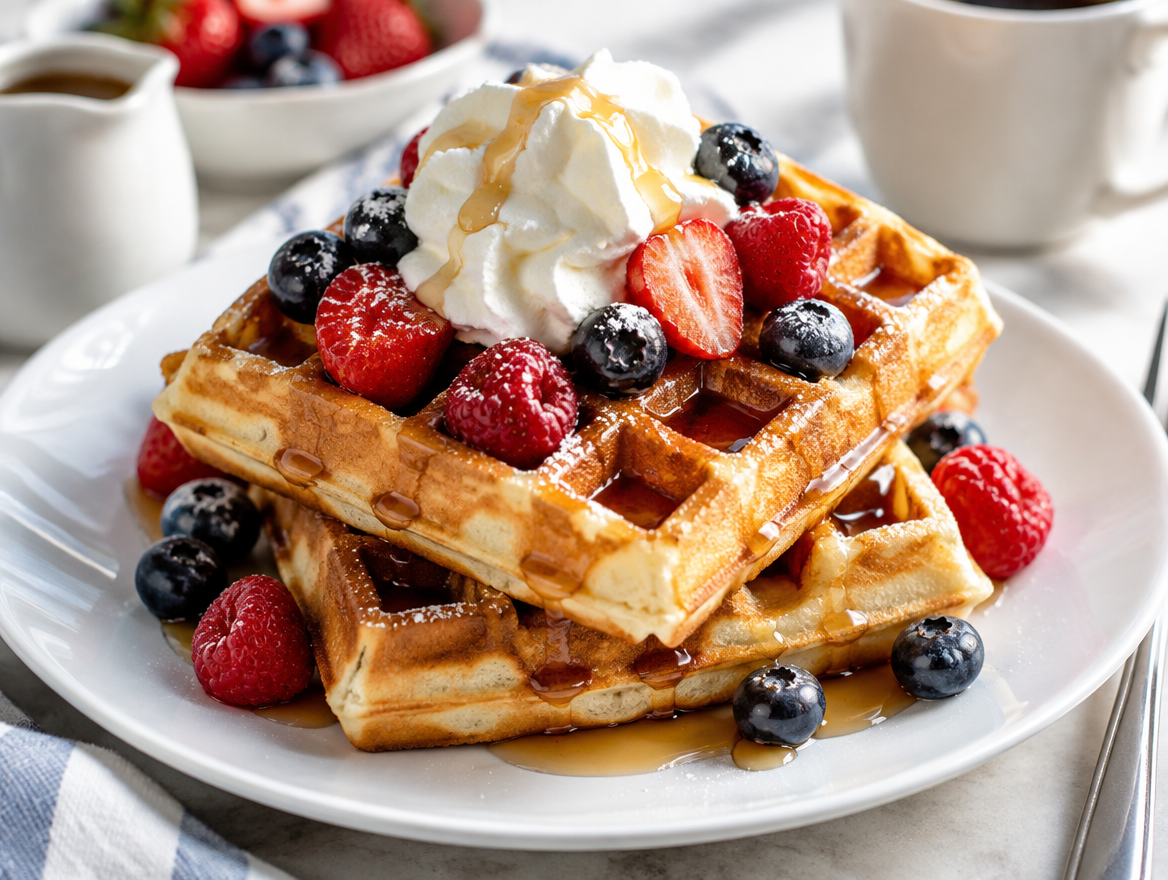
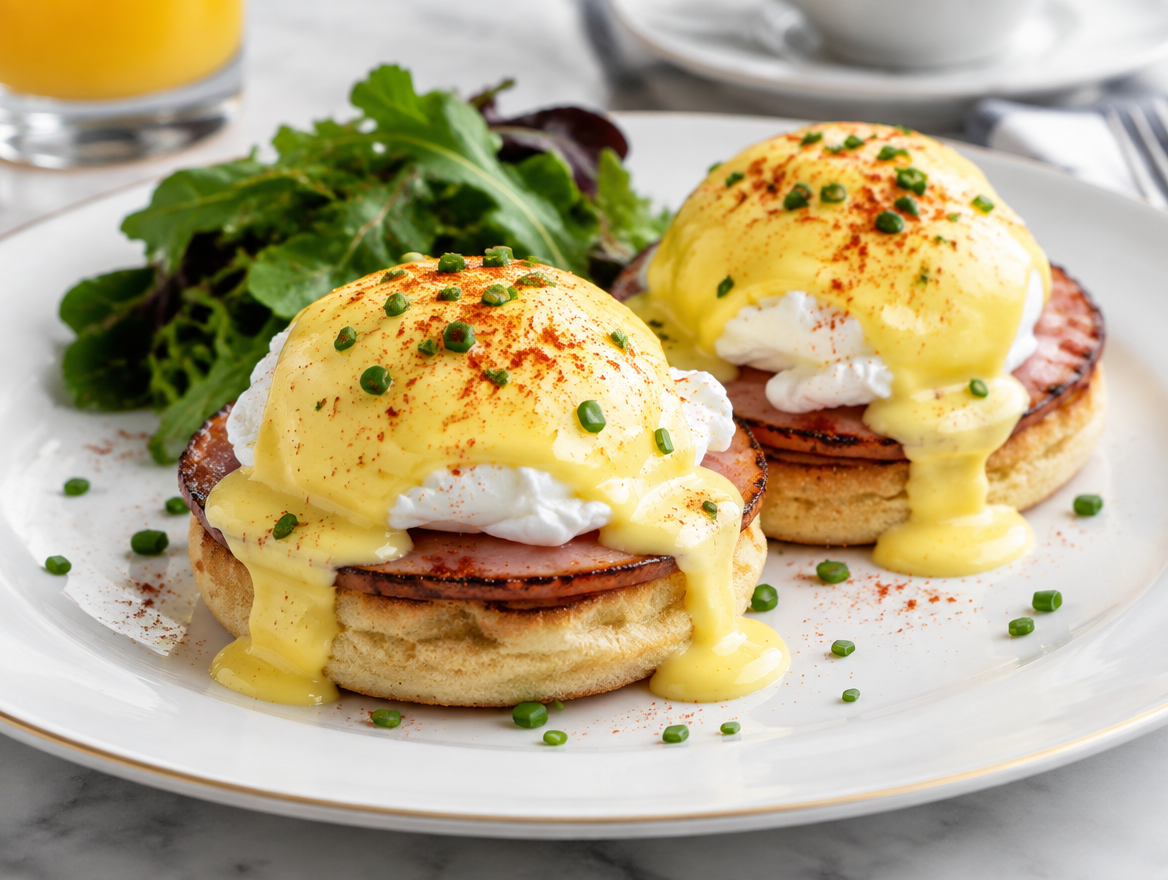
Nine breakfast guides, each built around the one technique that actually decides whether the dish turns out right: the acid and soda reaction, the custard ratio, the vortex poach. See all breakfast recipes.
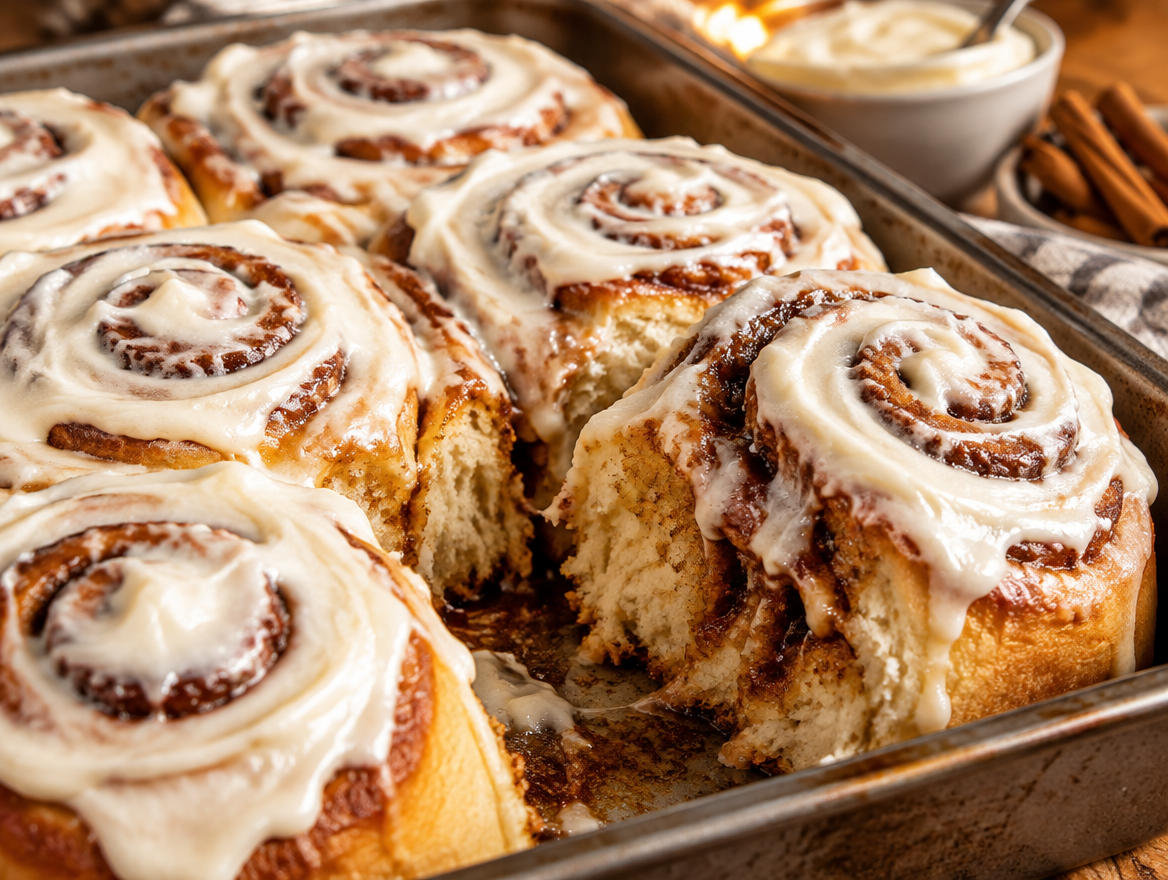
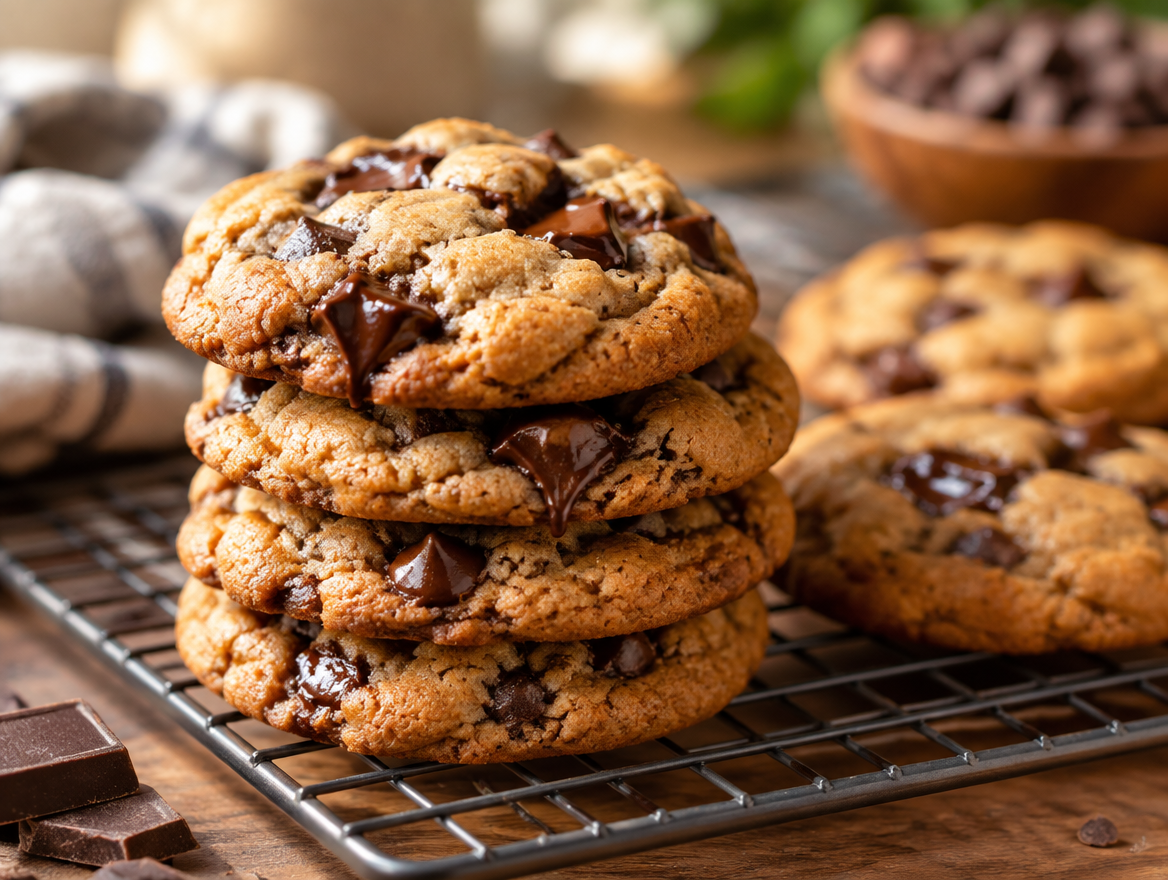
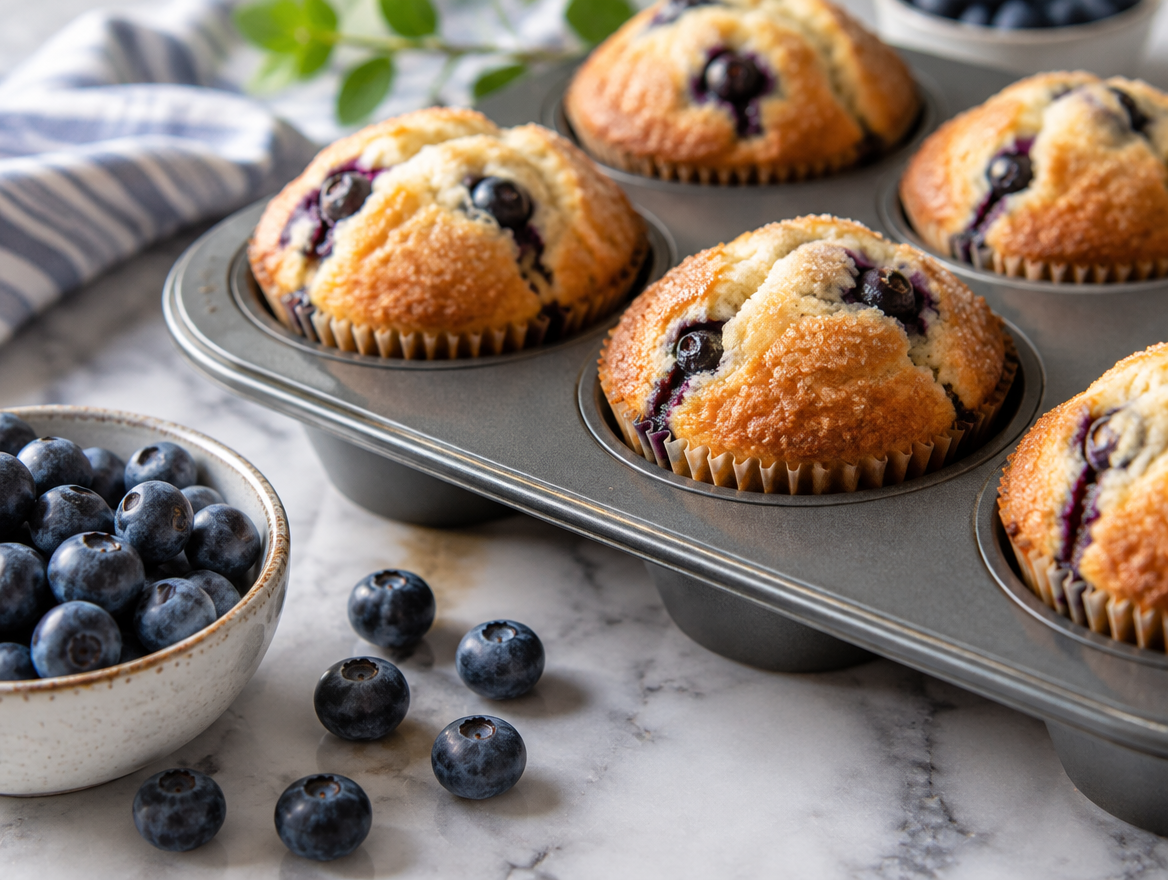
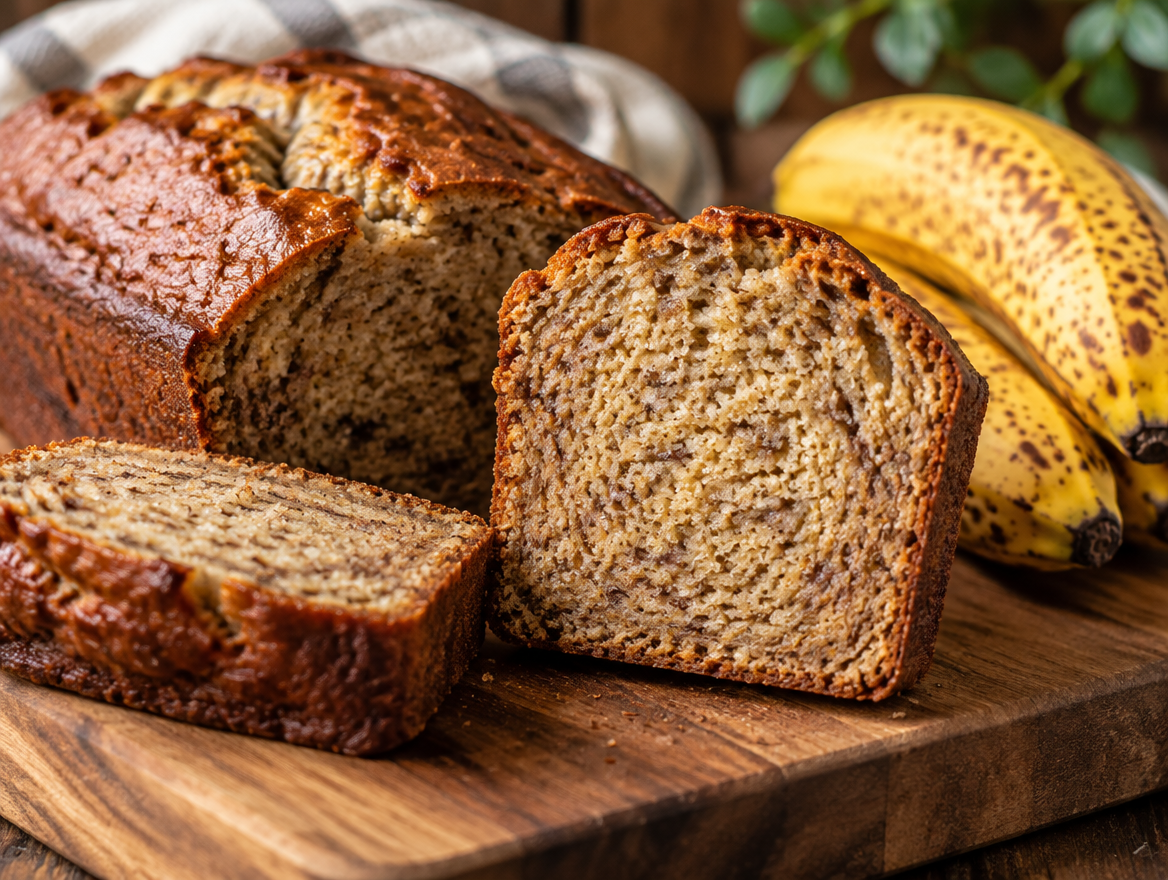
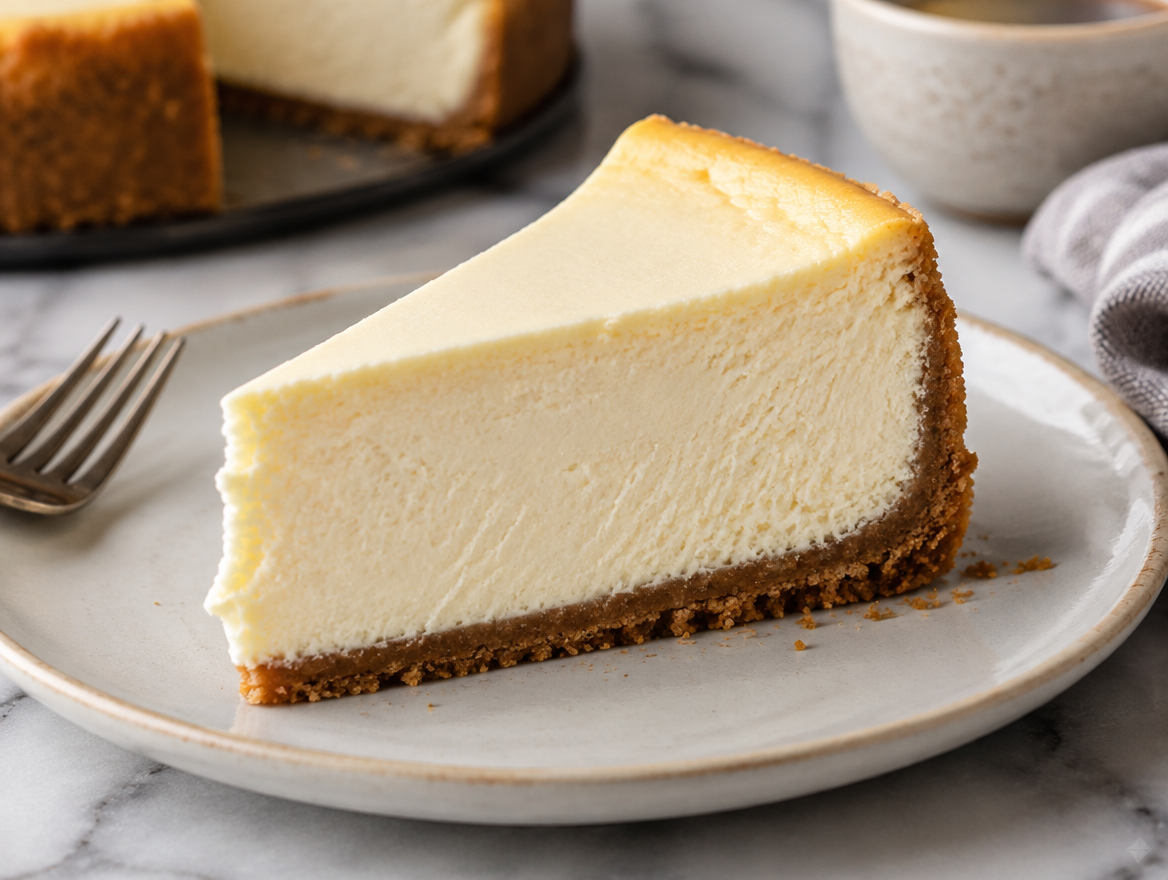
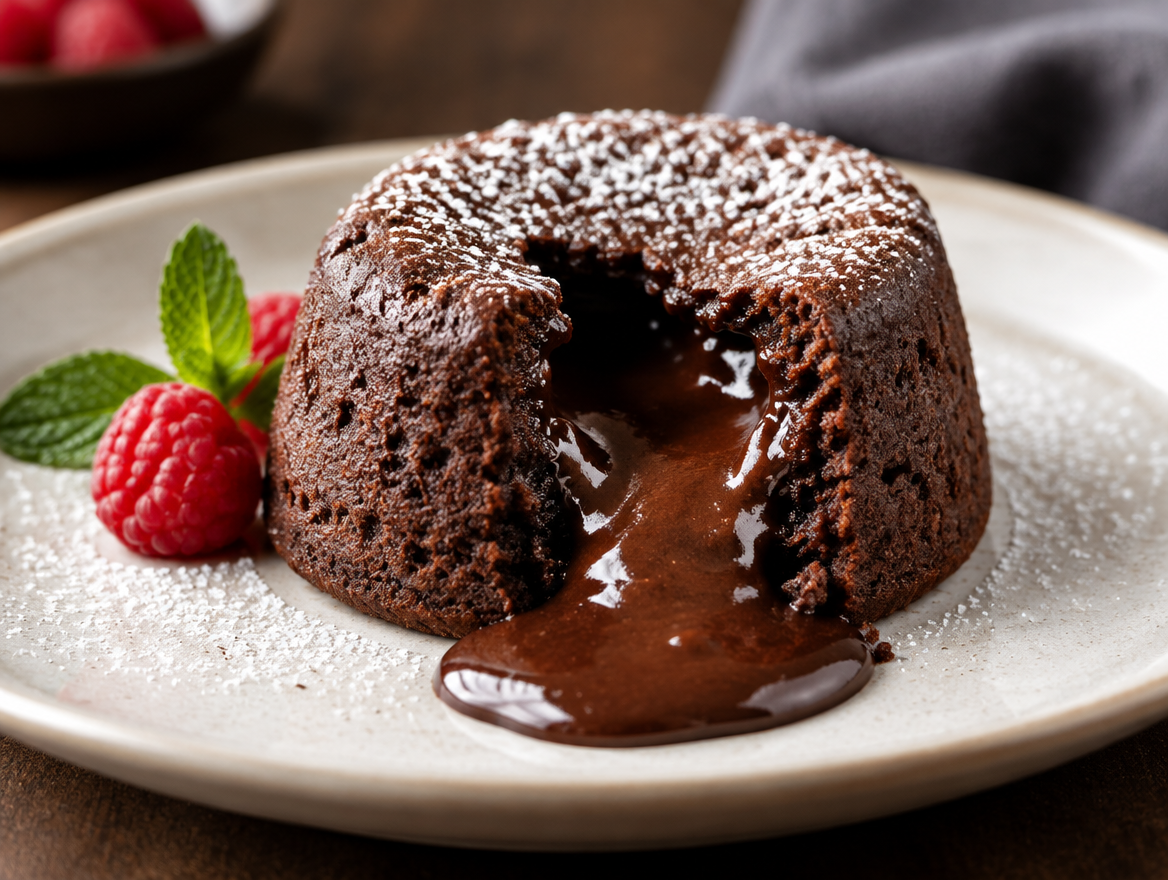
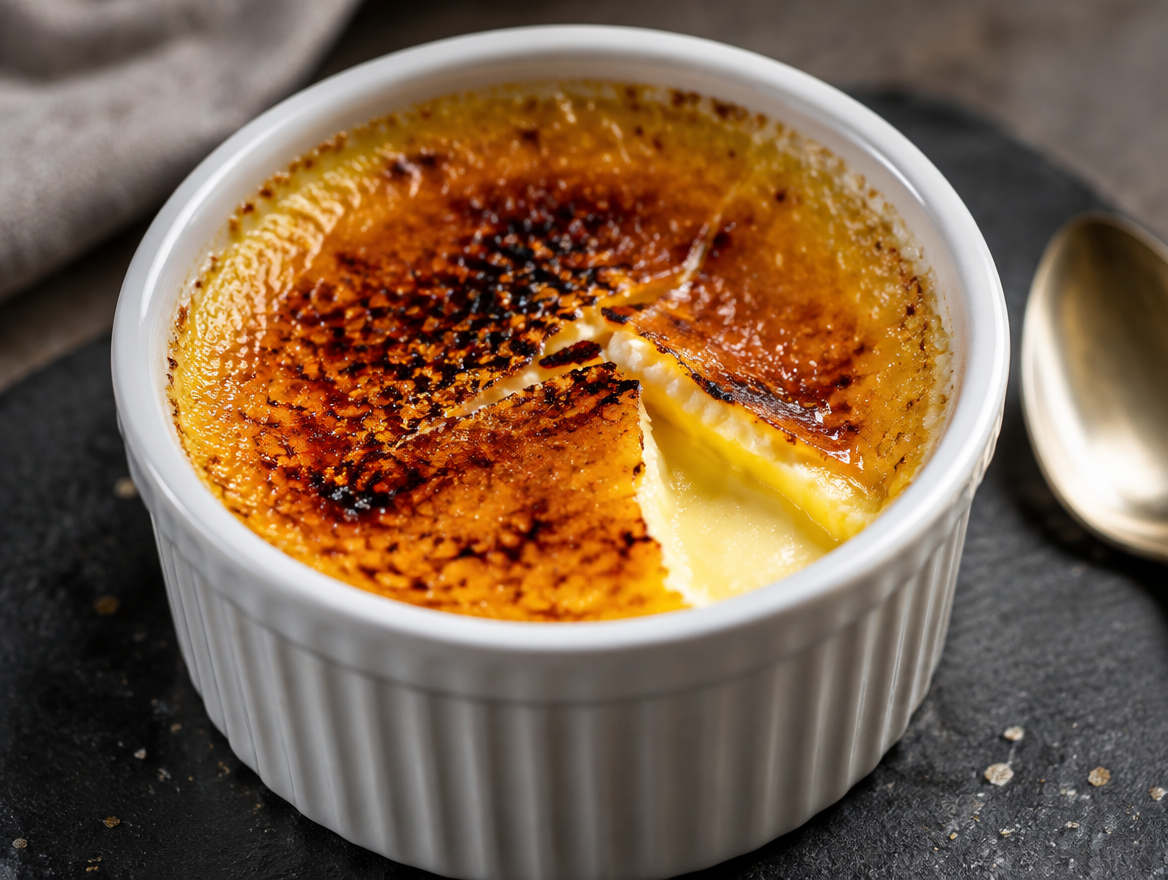
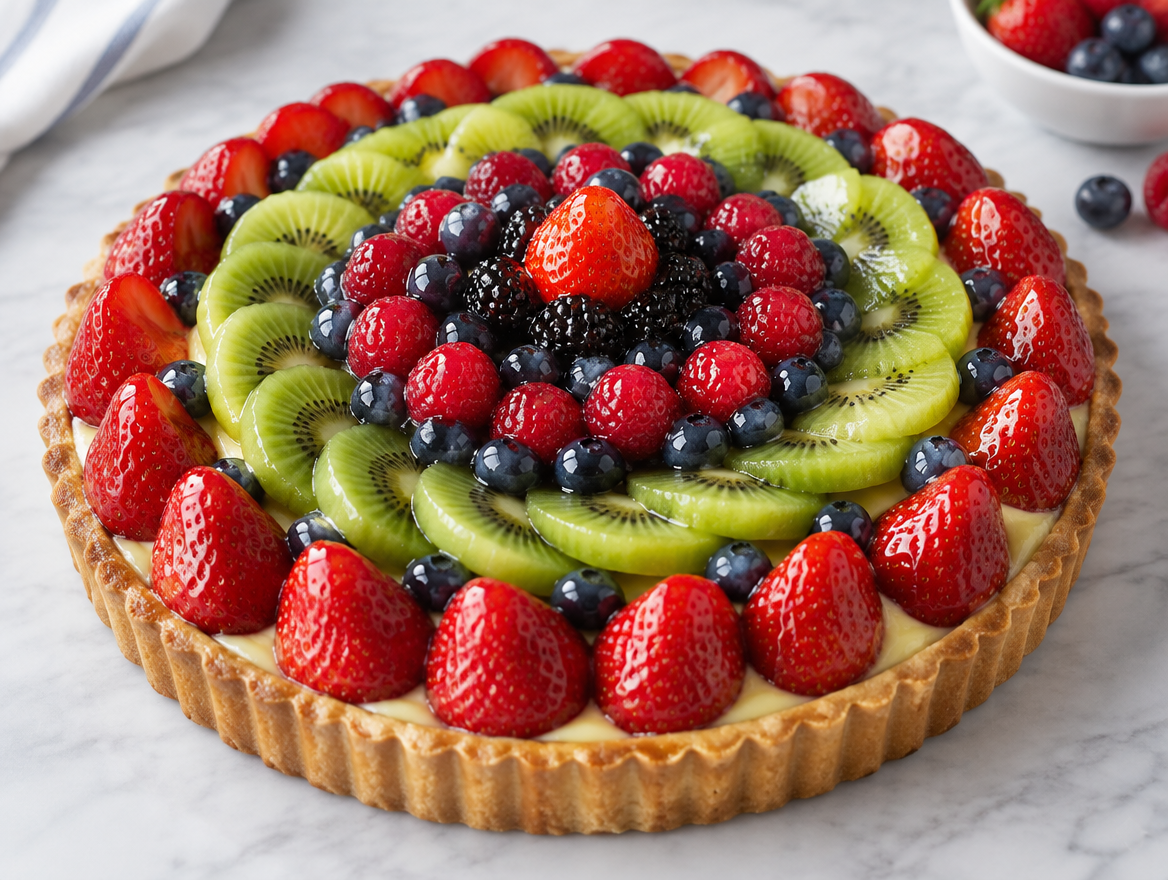
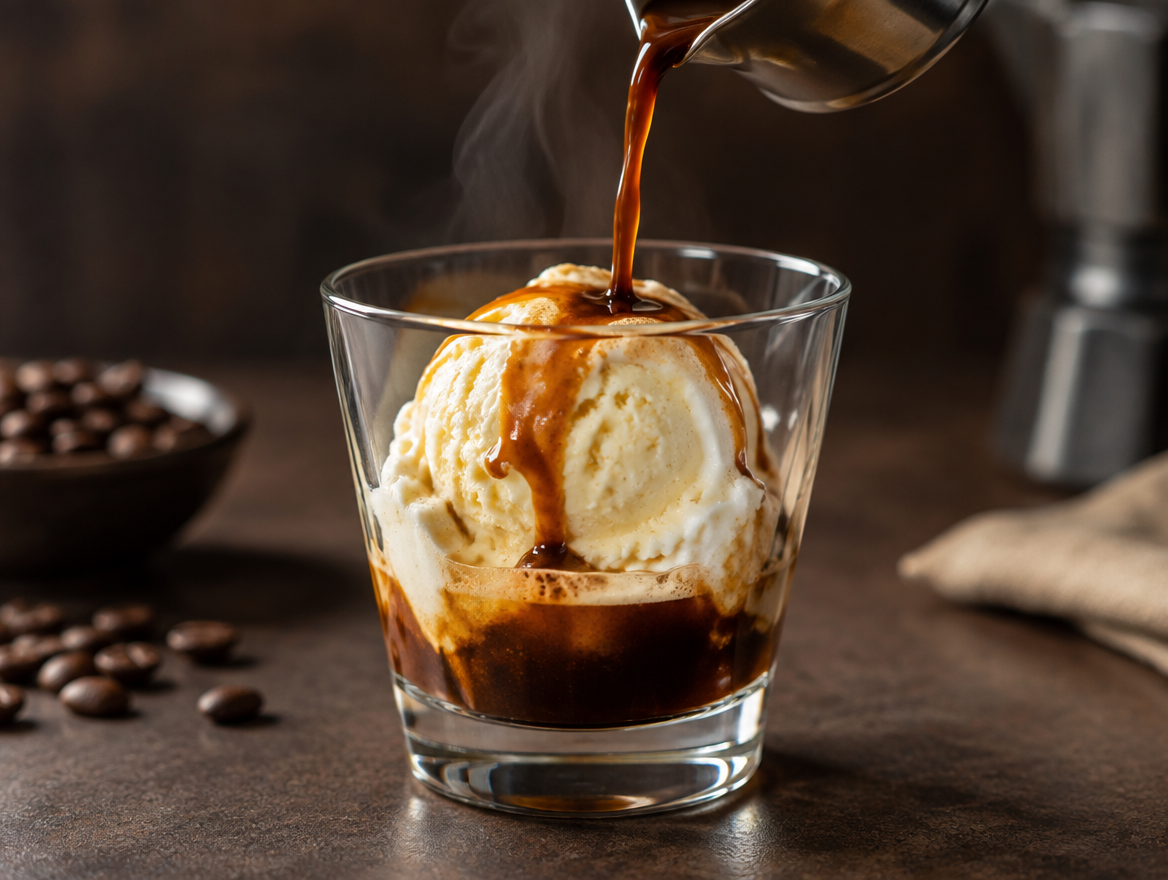
Baking and Dessert
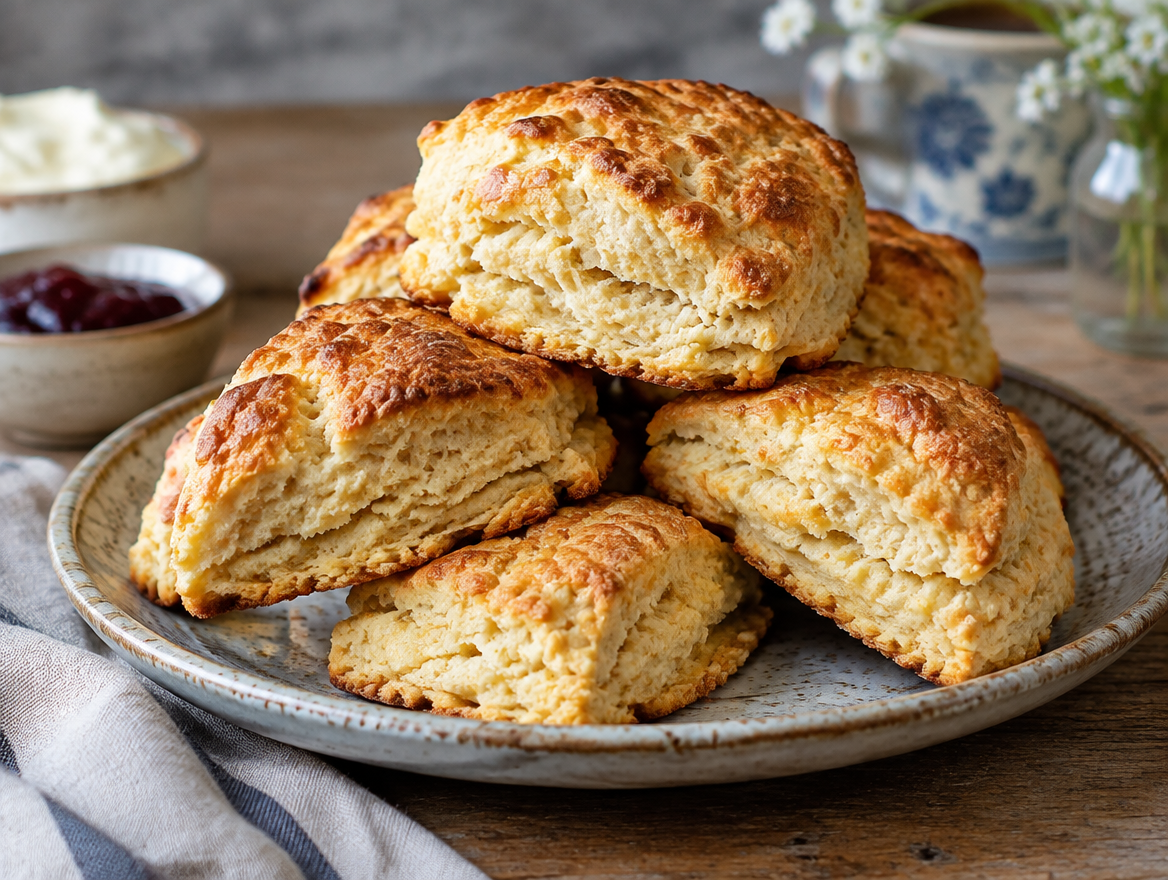
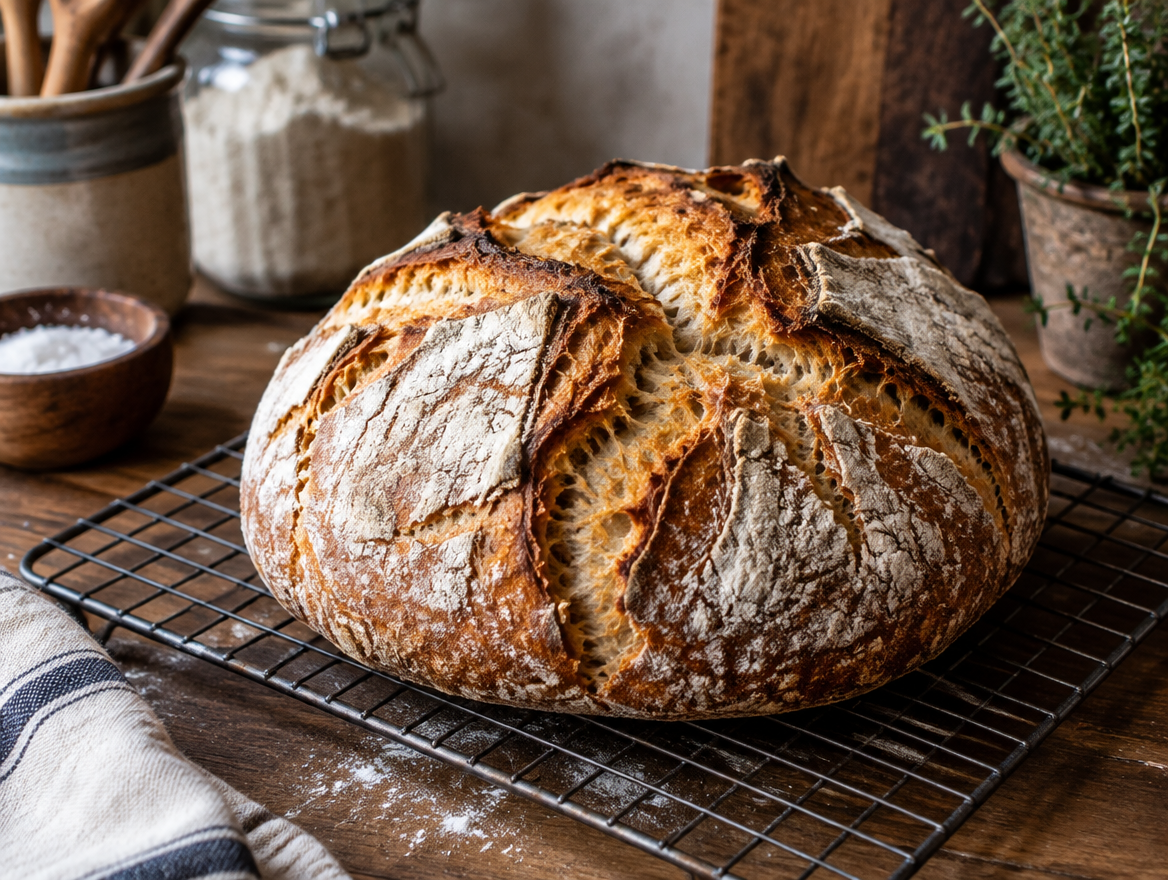
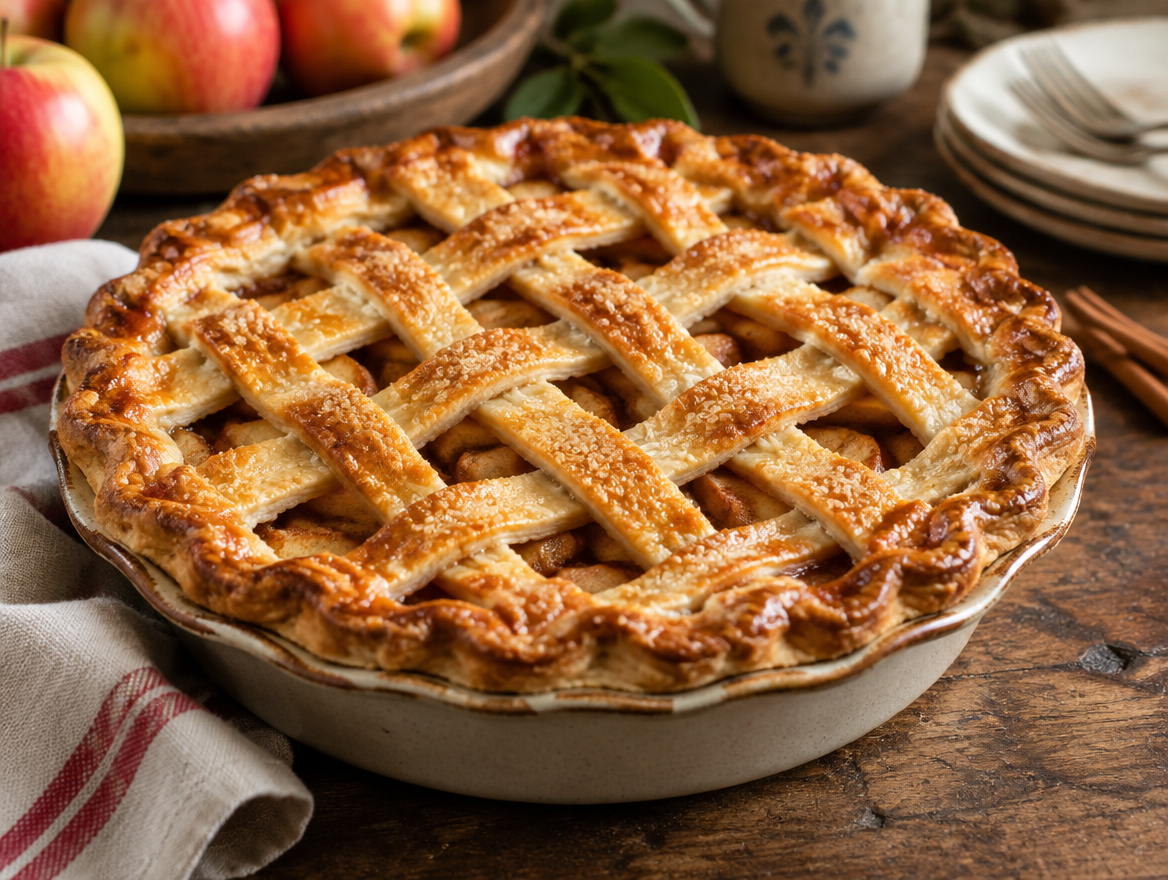
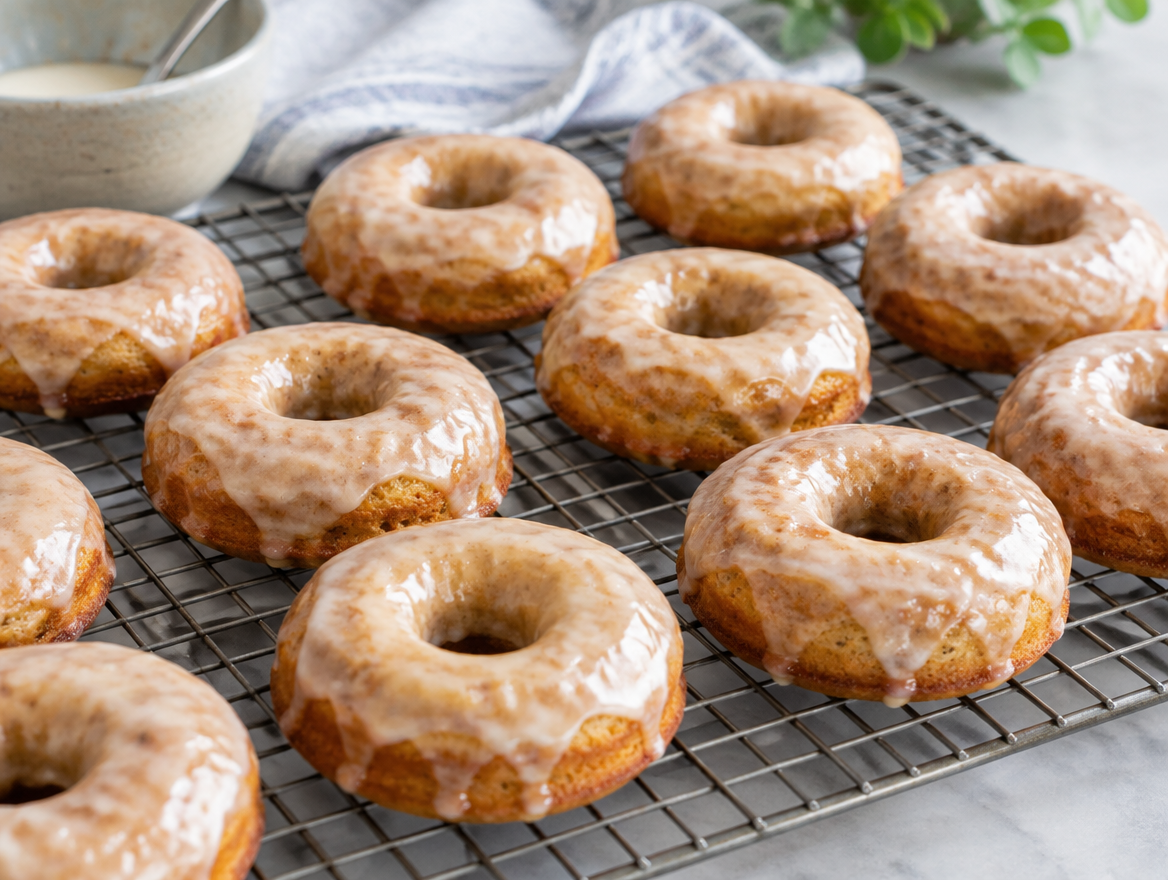
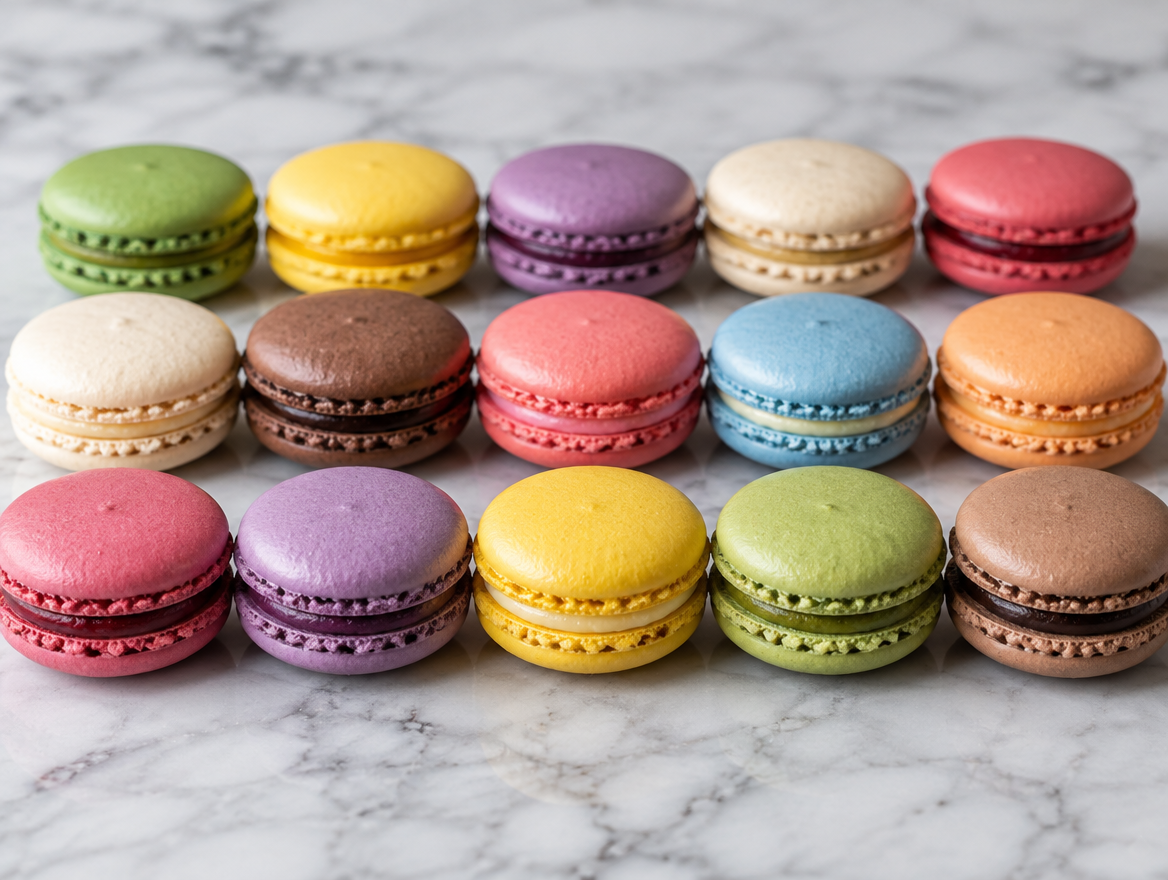
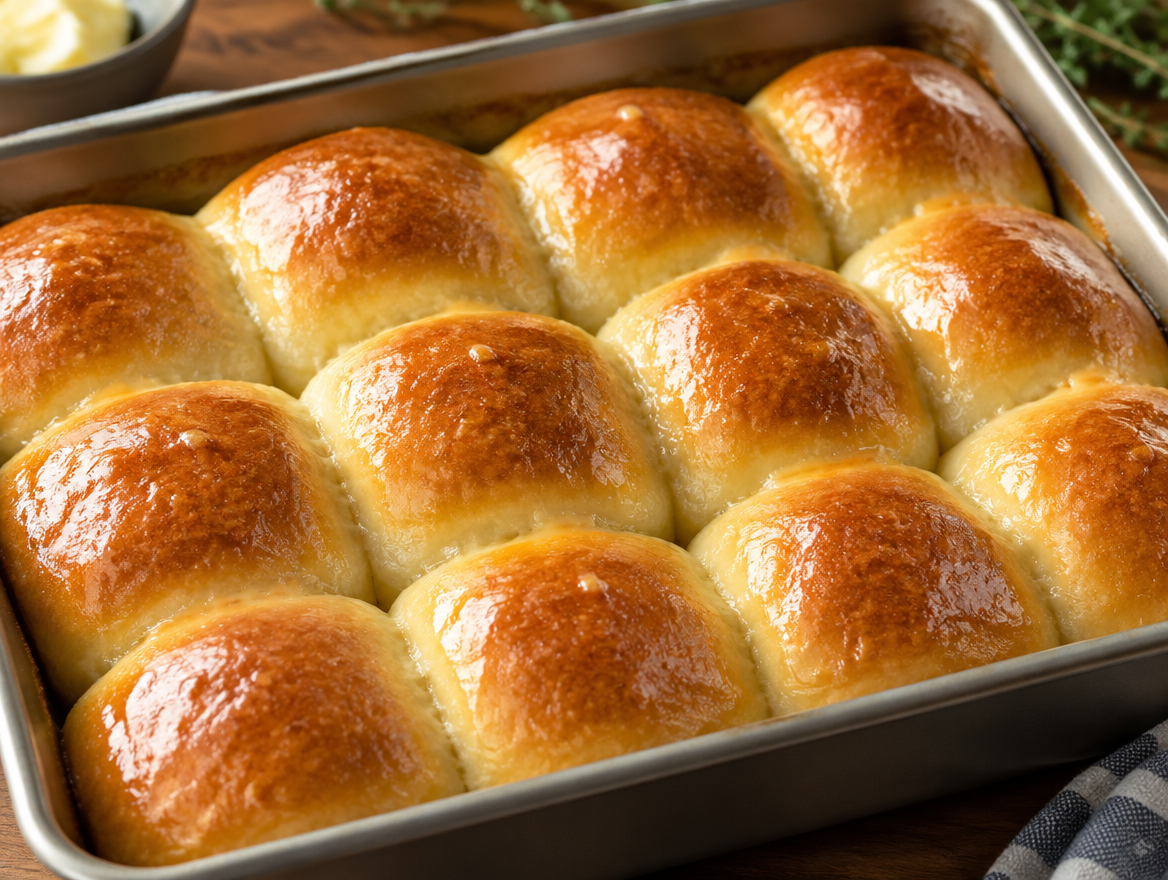
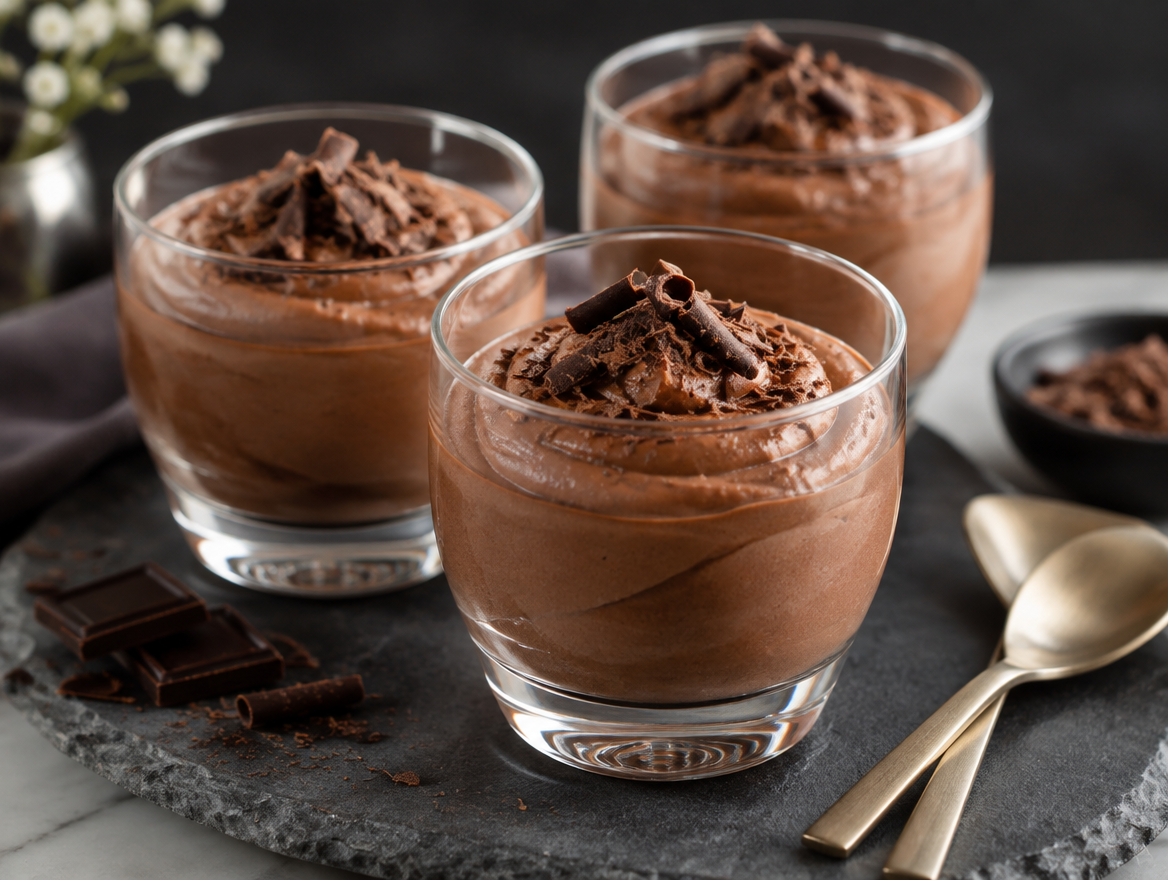
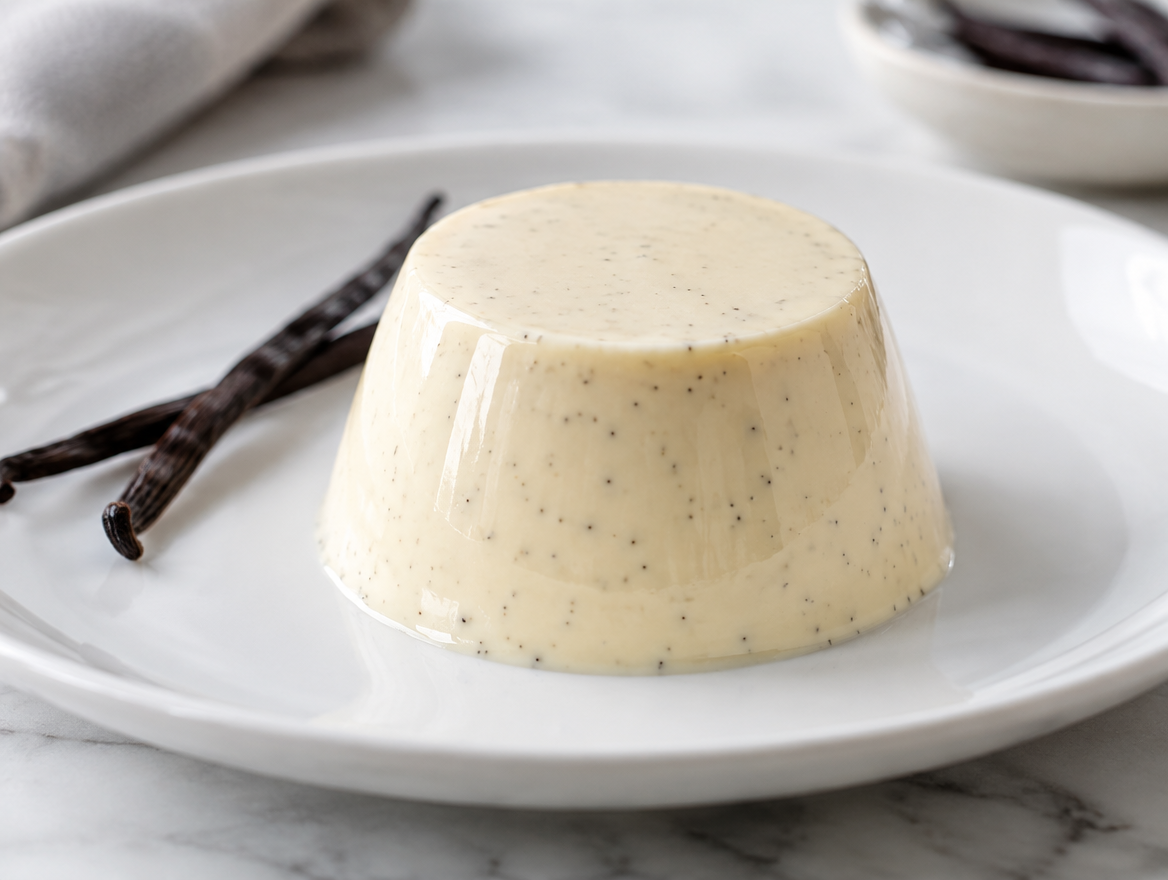
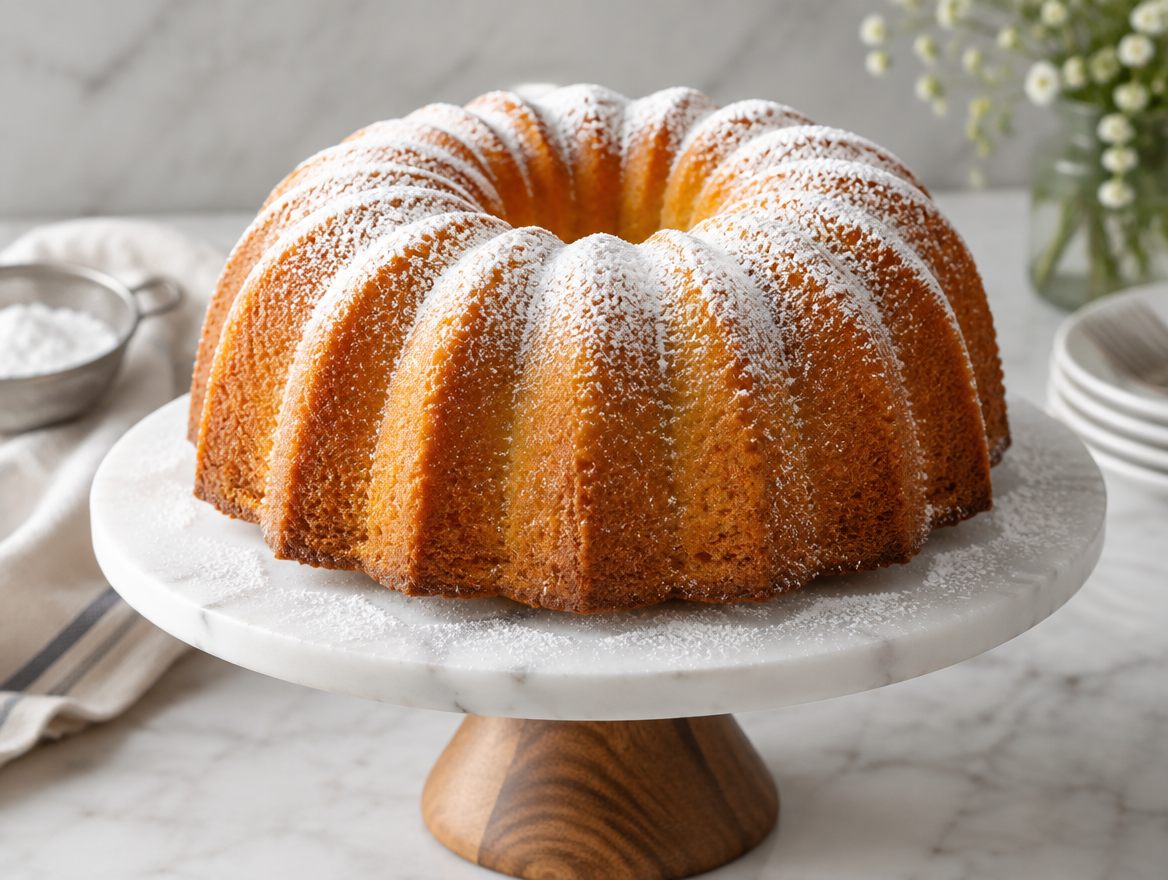
Cookies, breads, and pies that live and die on the oven, alongside plated desserts where chilling and tempering matter more than heat. See all baking and dessert recipes.

Appetizers
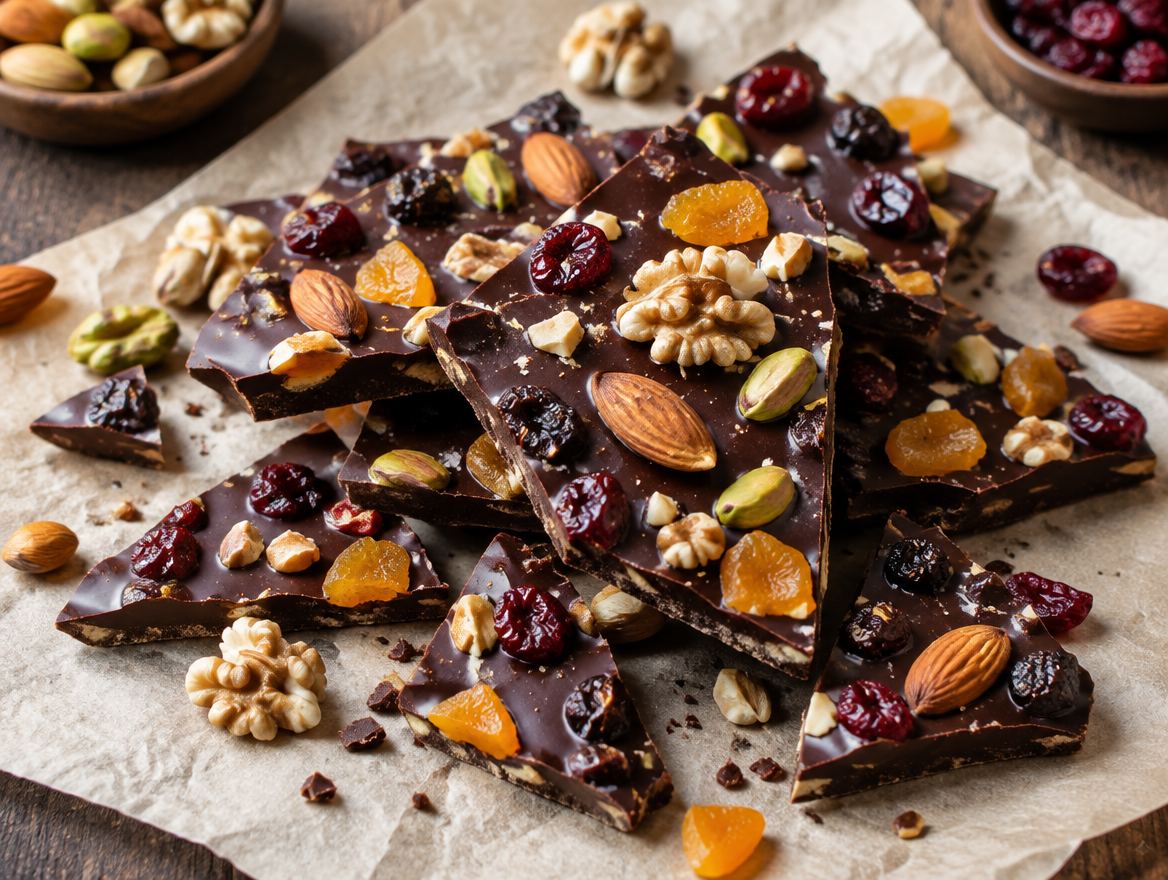
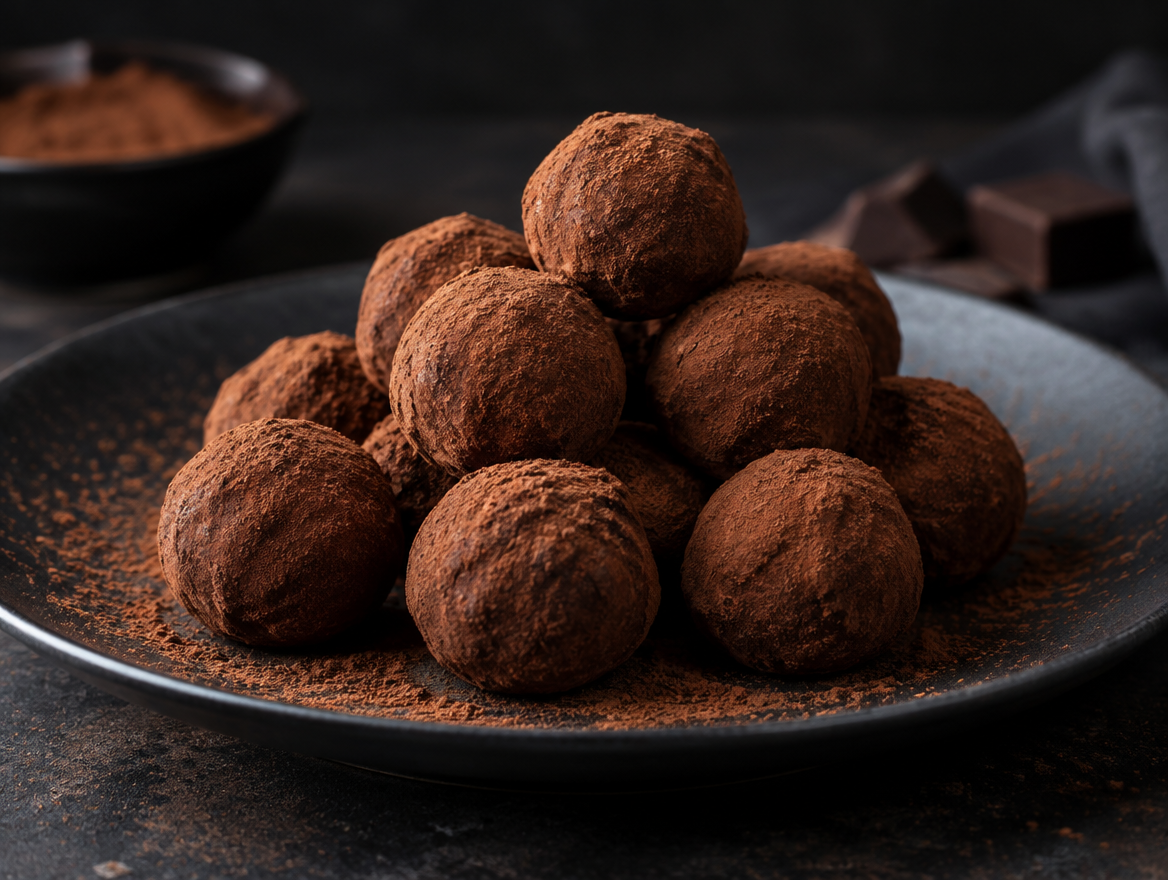
Nine appetizers, cold ones made ahead and hot ones passed straight off the tray, each built around one contrast that sharpens the appetite instead of blunting it. See all appetizers.


Salads
Four steakhouse and deli classics done properly, plus five modern plates, every one of them built around a dressing from the collection above. See all salads.


Entrees
Nine mains, one from each of nine countries, each built on the same four part frame: a protein, a starch, a vegetable, and a sauce that ties the plate together. See all entrees.


15-Minute Snacks
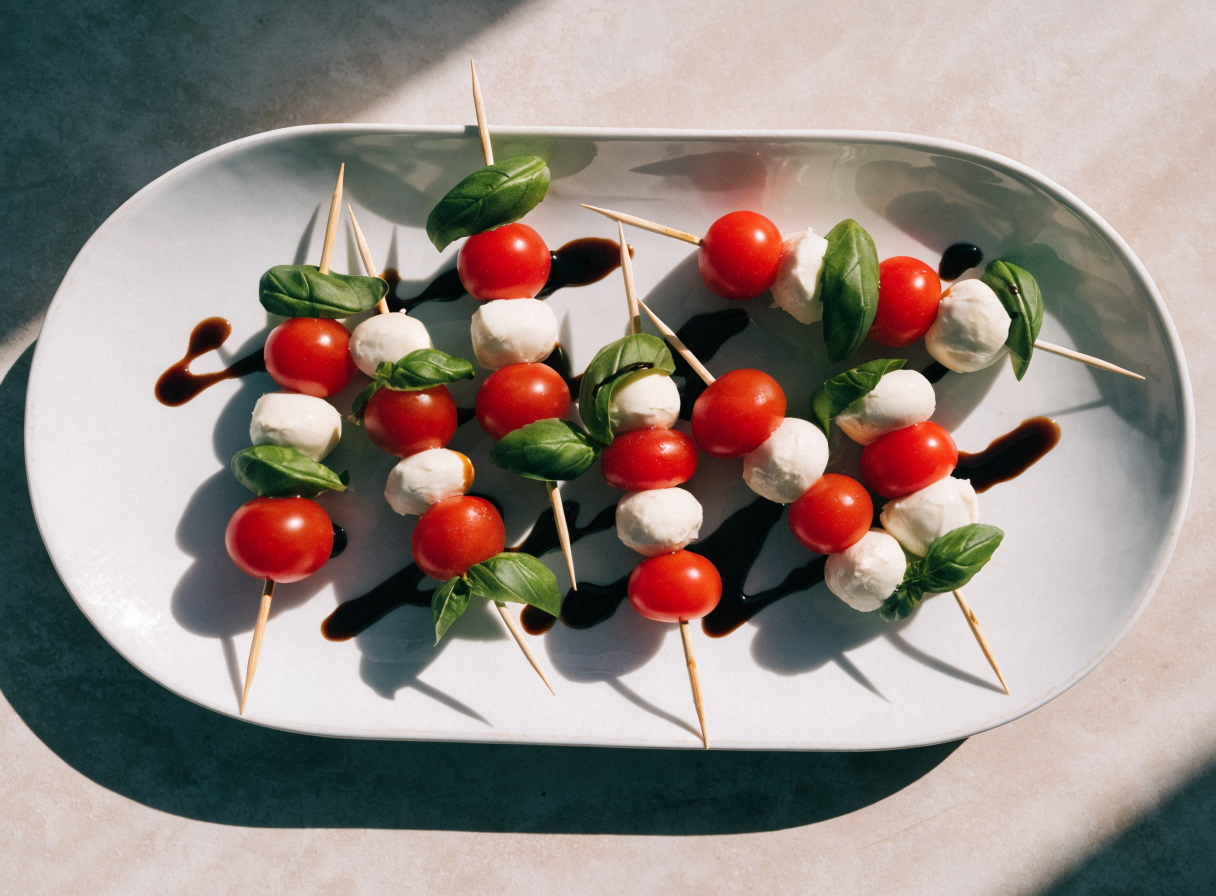
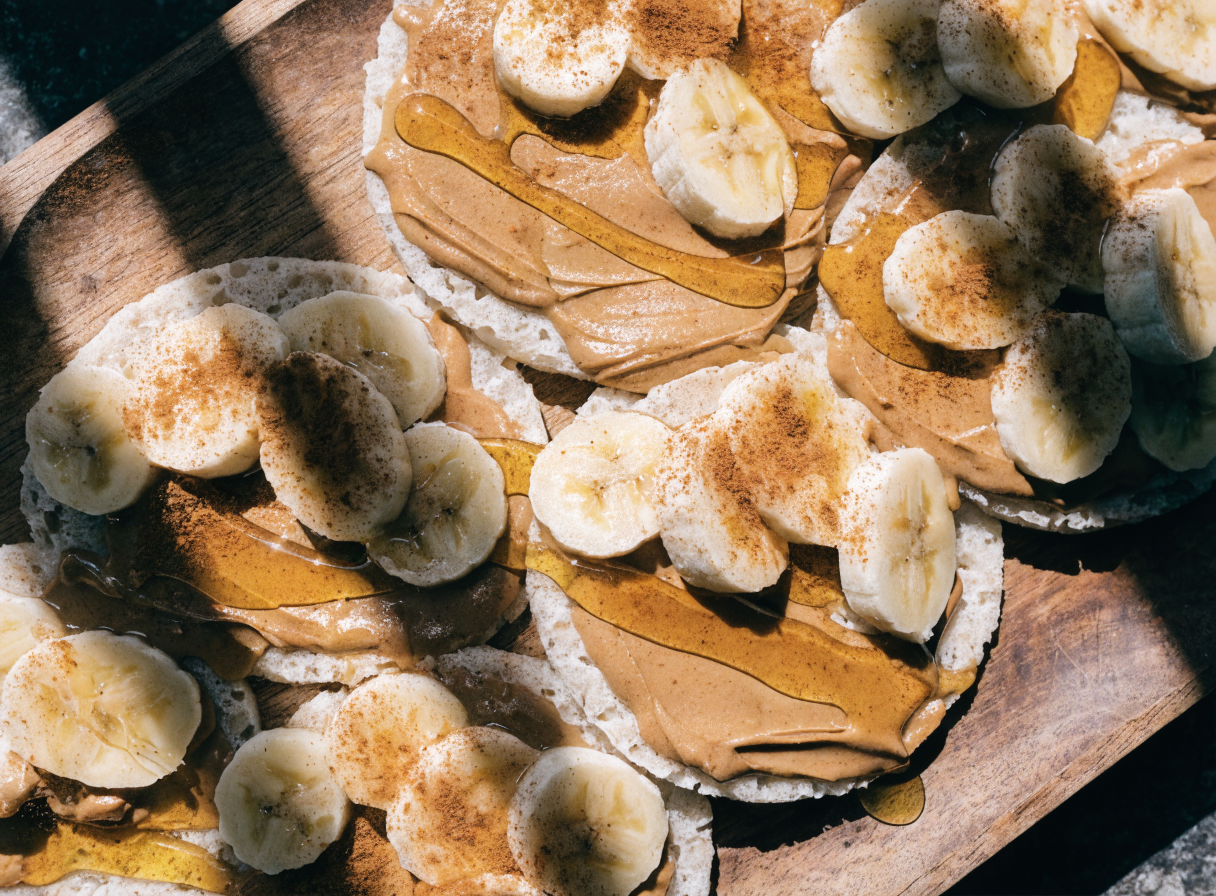
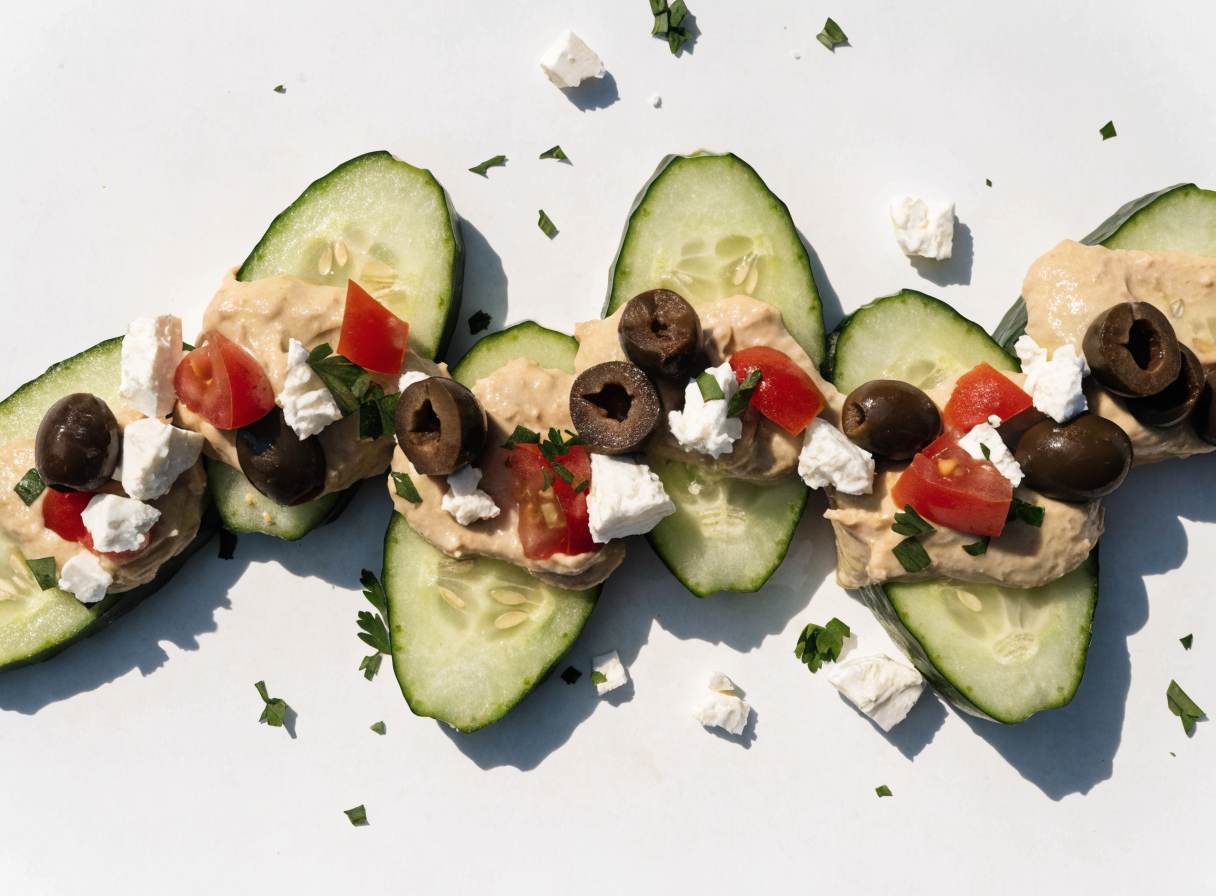
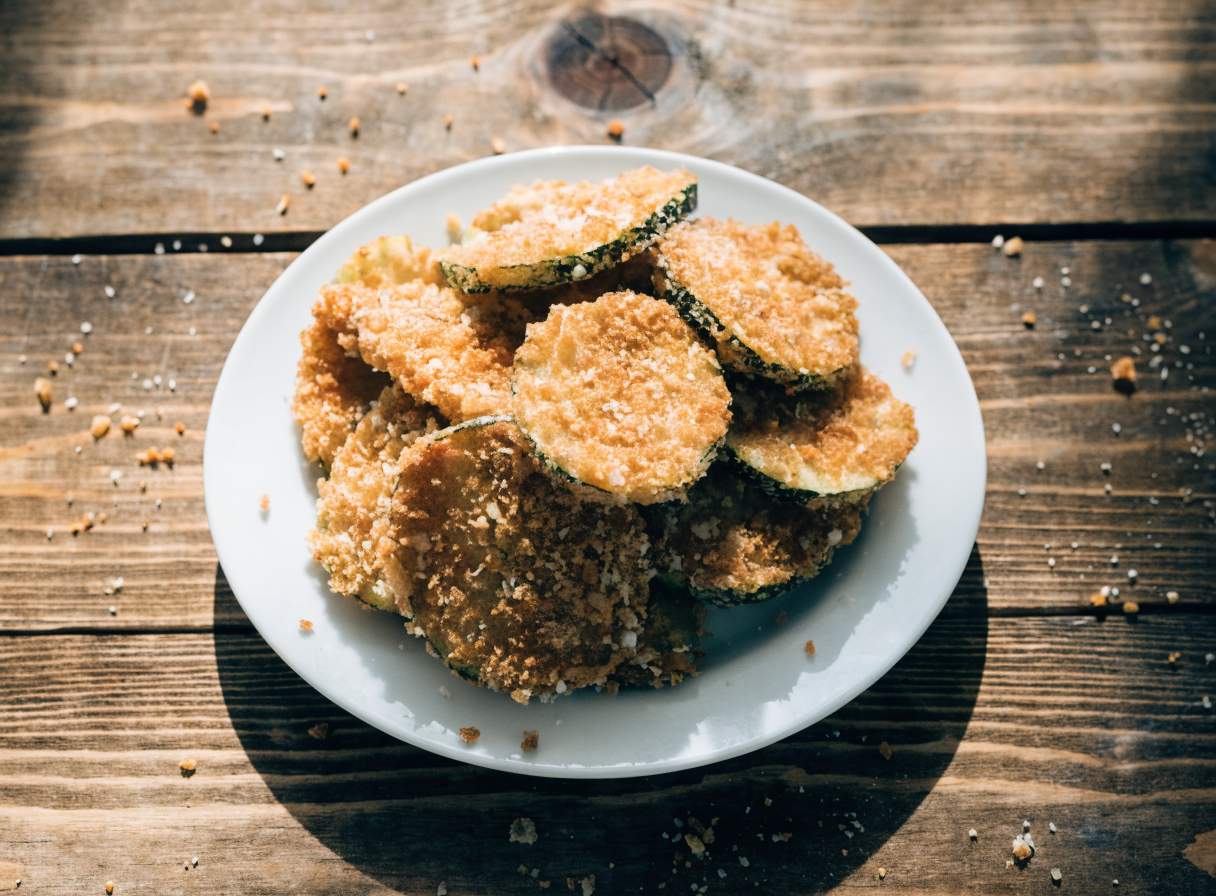
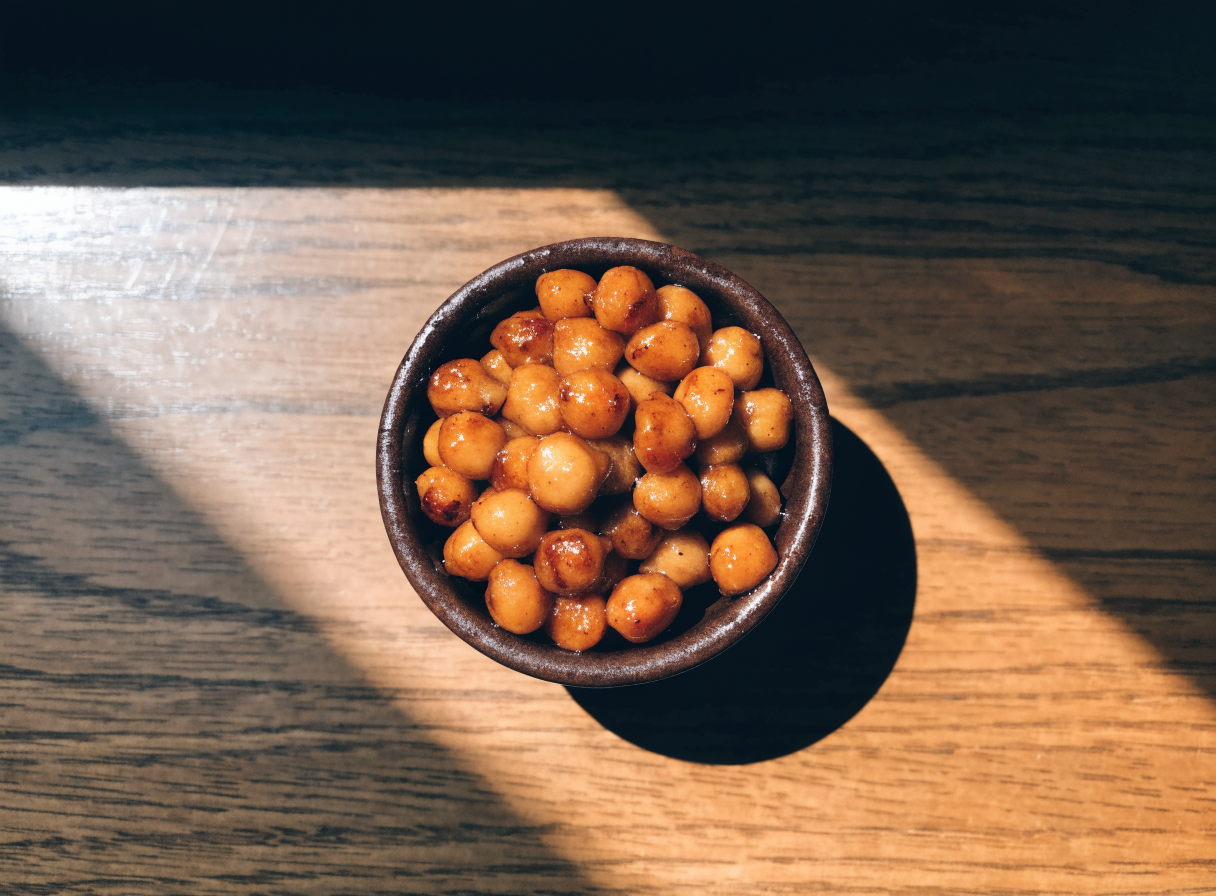
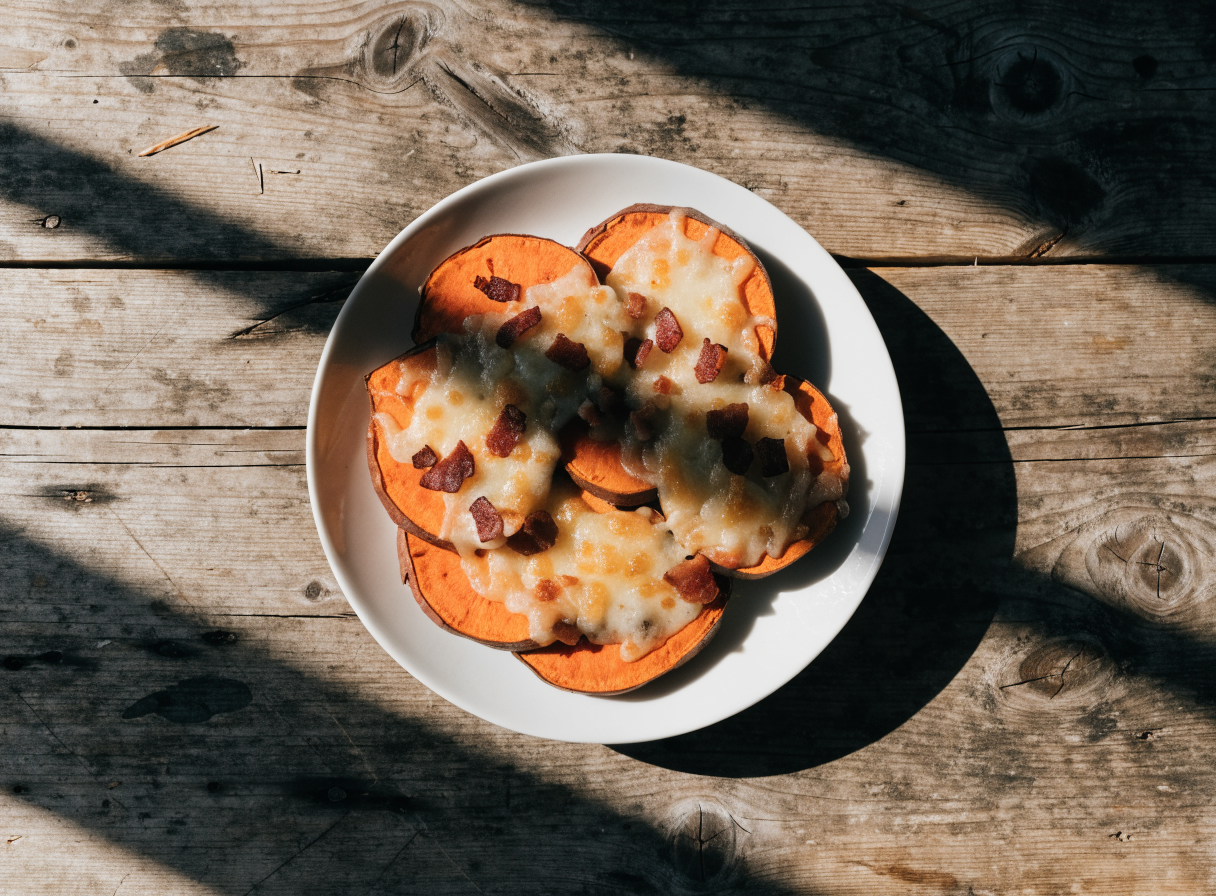
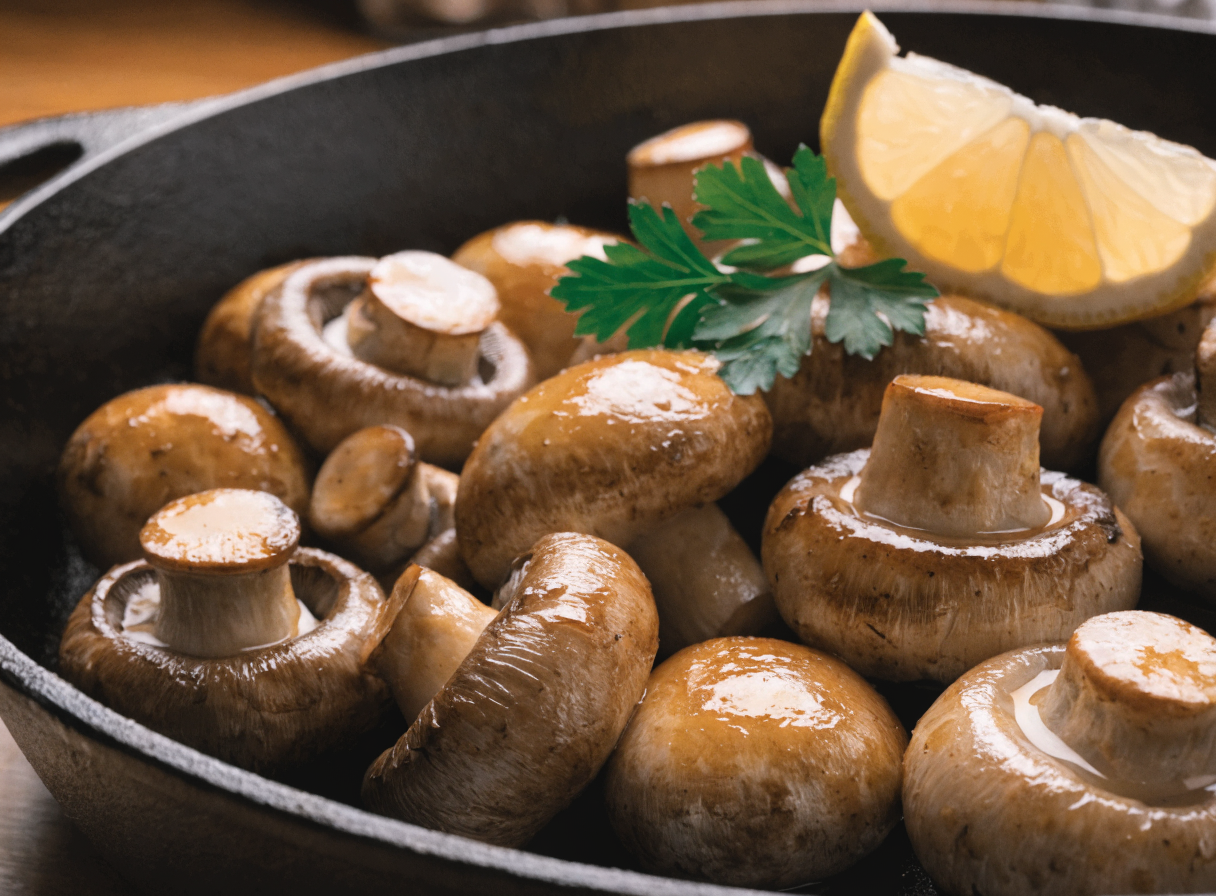
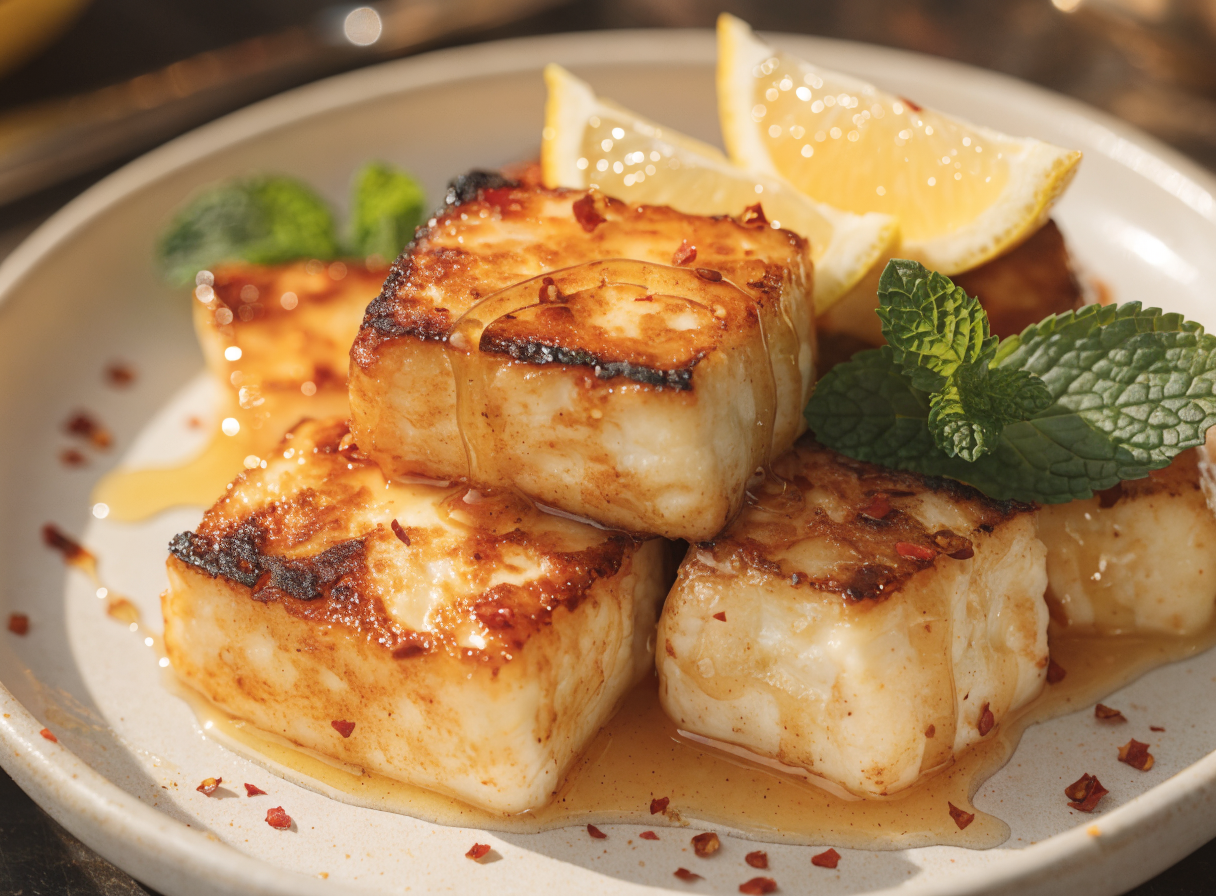
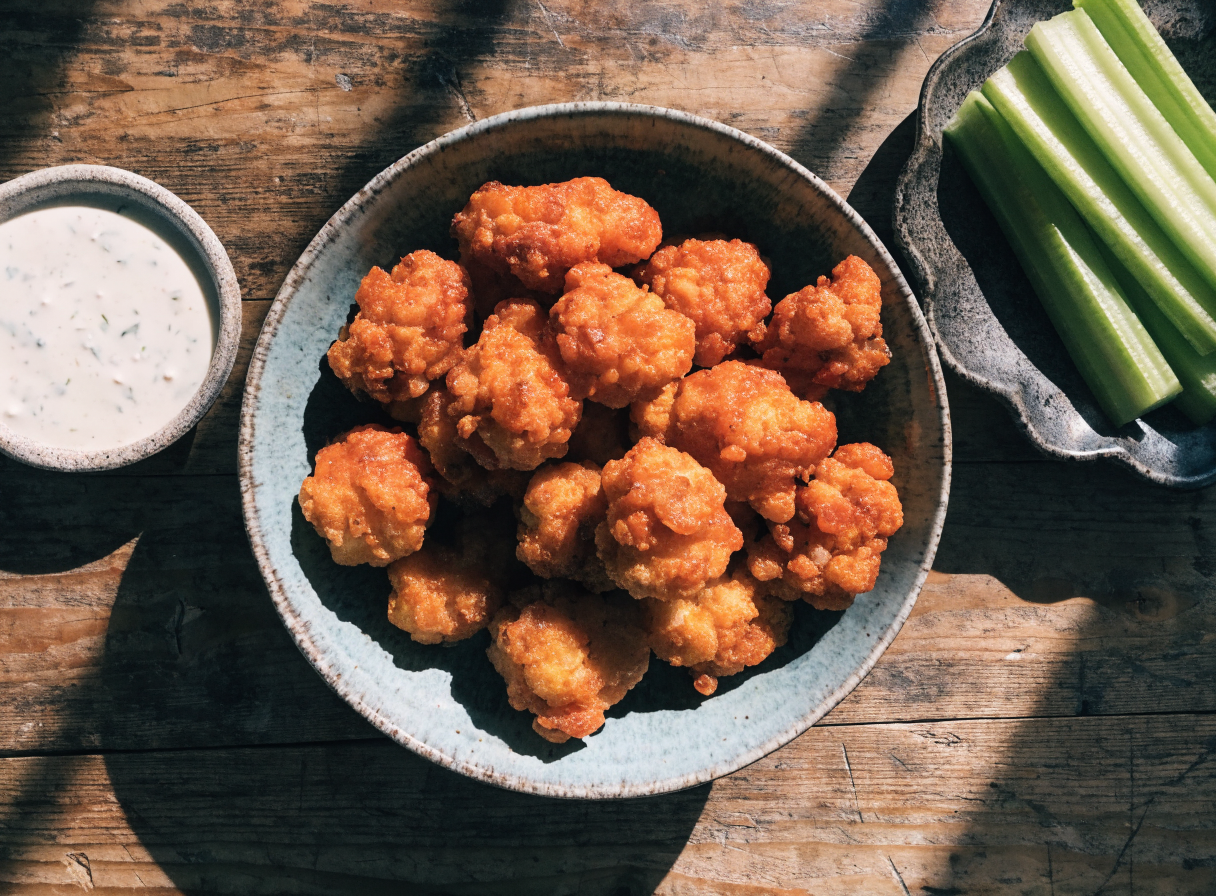
Fast snacks built around sequencing rather than shortcuts: three that need no heat at all, and six that live or die on drying, timing, and when the sauce goes on. See all 15-minute snacks.
30-Minute Meals
Ten weeknight dinners built around a short ingredient list and almost no dead time between steps. Read the full 30-Minute Meals guide for the timing logic behind all of them.


World Cuisine
Recipes organized by country instead of by category, each one a real spread of traditional dishes from that kitchen, not a token sampling.
Europe


The Middle East and the Caucasus


Asia


The Americas


Cooking for a Dietary or Medical Need
Four collections built around a specific dietary or medical framing rather than a cuisine or meal type: gluten-free, diabetic-friendly, low-sodium, and dairy-free. Each explains the actual technique behind the substitution, not just a list of swaps.


Where to Start
If you are not sure which of these to cook first, pick by what you want to learn rather than by what you want to eat tonight.
- To learn emulsification: Mayonnaise, then Hollandaise, then Beurre Blanc. Same principle, rising difficulty.
- To learn a roux: Béchamel first, then Velouté, then Espagnole as the roux goes darker.
- To learn balance: Italian Dressing and Italian Herb Marinade are the same 3:1 ratio doing two different jobs.
- To learn patience: French Onion Soup, where the entire dish is in how long you are willing to stand over the onions.
- To learn to salt a vegetable: Gurkensalat, then Thai Cucumber Salad, then Napa Cabbage Kimchi. The same first step given more time each round.
Before the Recipe
A lot of what happens in these recipes is decided before you start cooking, at the point where you choose and break down the protein. The Butchery Guides cover beef, pork, lamb, venison, elk, bison, poultry, game birds, and the full range of fish and shellfish, from filleting a whole salmon to shucking scallops.
Who Is Writing This
I am Chef Alan. I have spent 35 years in professional kitchens, I have formal culinary education in New Hampshire, and I have been honored as a 6-Time 4-Diamond Chef. More about me here.
If a recipe is missing something you needed, or a step did not make sense, tell me. Get in touch and I will fix it.
Cook Bolder, Serve Wiser, Eat Better.
Tools for the Job
You do not need much, but what you do need has to be sharp. These are the collections in the shop that cover the work in these guides.