The Mistakes That Ruin Food

Every one of these mistakes shows up in a real kitchen every day, and every one of them has a specific, fixable cause. This page collects the single most common failure point from each corner of the site, the thing worth knowing before it costs you a dinner or a finger, with a link to the full guide that fixes it.

Start with whatever's in your kitchen tonight. If your thermometer has been in a drawer for a year, start there.
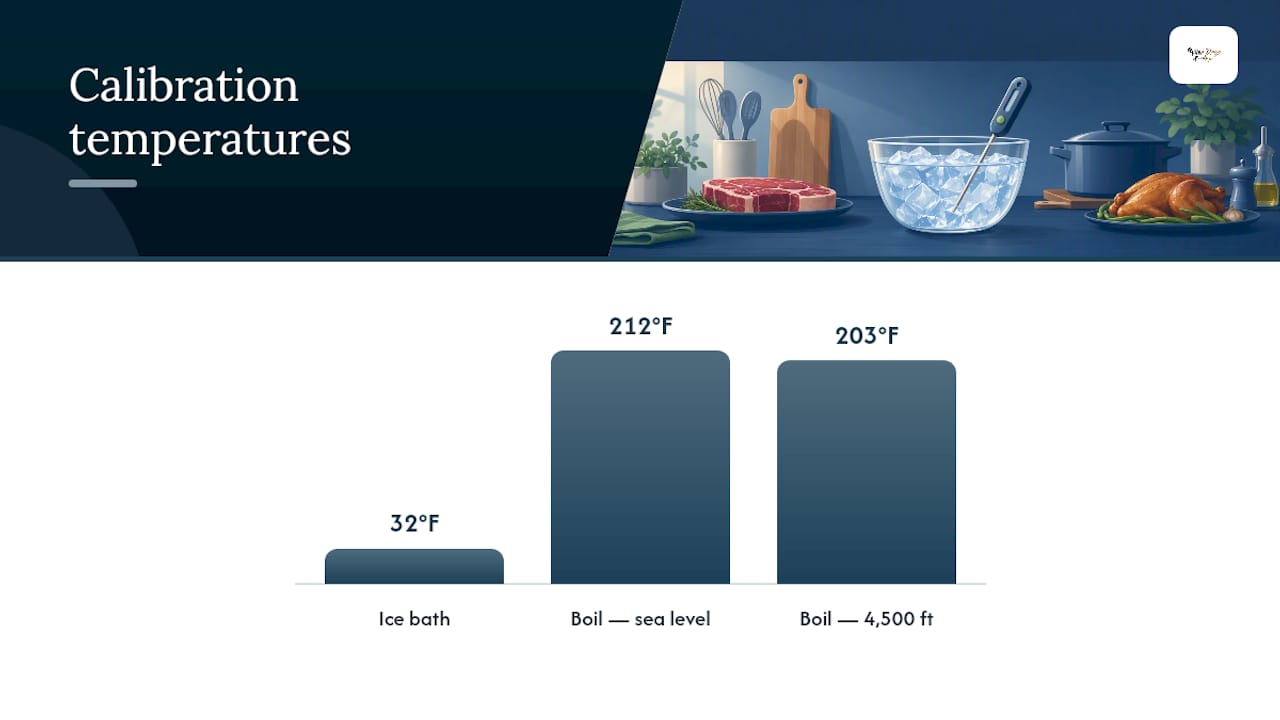
Your Thermometer Is Lying to You
Most kitchen thermometers drift out of true within months. Ice water calibration takes thirty seconds and fixes it.
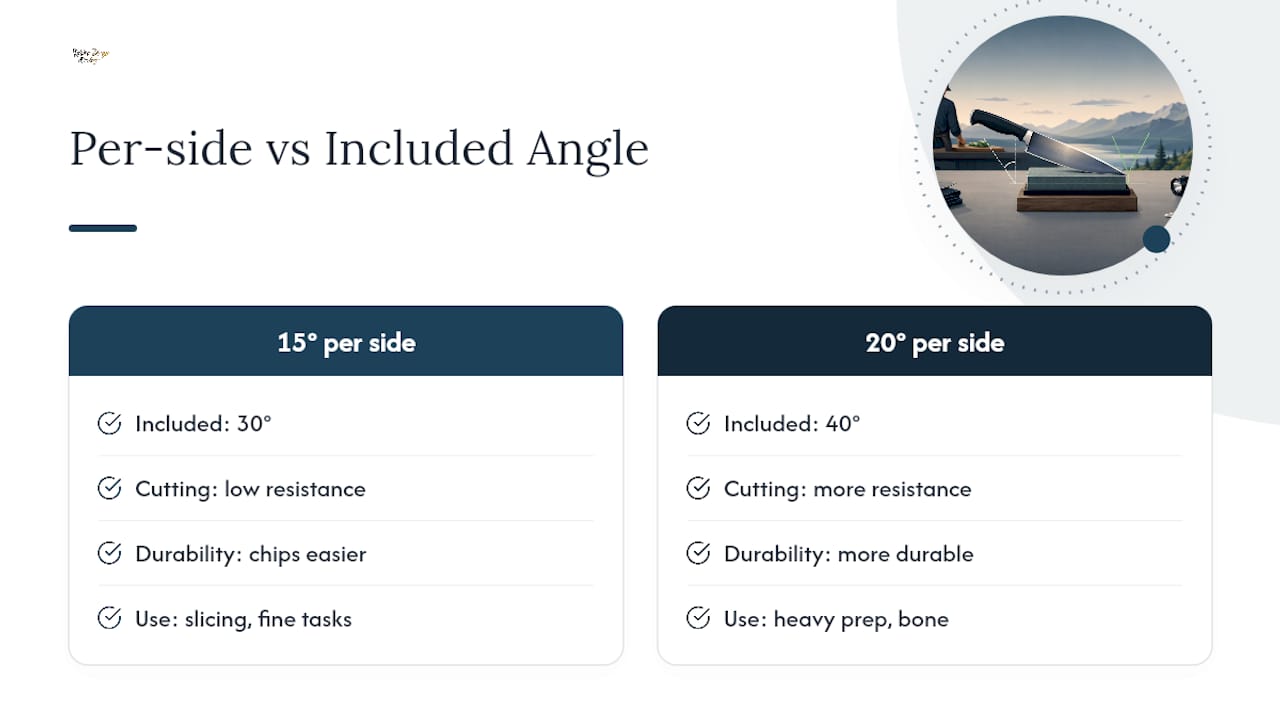
You're Sharpening at the Wrong Angle
A steep angle feels safe and cuts poorly. The right angle depends on the knife, not habit.
Straight Edge, Serrated Edge, Wrong Choice
Using a straight edge where a serrated one belongs tears instead of cutting, and it dulls faster too.
Braising and Stewing Are Not the Same Move
Treat them as interchangeable and you get the wrong texture from the right cut of meat.
Smoke Point Is the Wrong Number to Watch
A high smoke point doesn't mean an oil is safe to keep heating past its limit. Oxidative stability is the number that matters.
Wet-Packed Scallops Will Never Brown
Most people who think they can't sear a scallop are fighting the scallop they bought, not their own technique.
Buying Fillets Means You Can't Verify What You Bought
A whole fish is the only reliable way to know what species actually ended up on the ice.
Gamey Flavor Is Almost Never the Animal
It's what happened between the shot and the cooler. Bad field care ruins more meat than bad butchery does.
The Board Is the Real Risk, Not the Blade
Most foodborne illness at home traces back to cross-contamination between a board and raw protein, not the cutting itself.
A Dull Knife Is More Dangerous Than a Sharp One
A dull blade slips instead of cutting. Slipping is how people get hurt, not sharp edges.
A Steel Doesn't Sharpen Your Knife
It realigns a rolled edge, it doesn't remove metal. Running a truly dull blade over a steel does nothing at all.
Searing Does Not Seal In Juices
That's a browning reaction, not a moisture barrier. It never was, no matter how many times you've heard it.
A Badly Bled Fish Can't Be Saved By Good Butchery
Whatever happens in the first minute after the catch decides the flavor. No knife work afterward fixes it.
Resting Meat Too Long Opens a Food Safety Window
Past a certain point it's not just a texture question anymore. The clock that matters doesn't stop at rest.
Salting Too Close to Cooking Pulls Moisture Out With Nowhere to Go
The timing window for reabsorption matters more than the amount of salt you use.
Edge Retention and Easy Sharpening Are a Tradeoff, Not a Package Deal
A high hardness blade holds its edge longer and fights you harder every time you try to bring it back.
Deglazing With Cold Liquid Fights the Pan Instead of the Fond
It shocks thin cookware and lifts less of what's stuck than a warm liquid would.
Most Home Sharpening Drifts Angle Mid Stroke Without Anyone Noticing
That inconsistency does more damage than simply picking the wrong angle and holding it steady.
A Broken Hollandaise Is a Temperature Problem, Not a Whisking Problem
Fix the heat gap between the yolks and the butter, and the whisking takes care of itself.
Vacuum Sealed Fridge Meat Is Not Aging
Wet aging and dry aging are genuinely different processes people use the same word for.
Cast Iron Seasoning Is Polymerized Oil, Not a Coating You Apply
Too much oil at once creates a gummy buildup instead of the hard layer you're actually after.
Cutting Against the Grain Isn't Just a Beef Rule
Most people only check for it on steak and get it backwards on poultry and fish without realizing.
Ice Bath Ratio Matters More Than Ice Bath Time
Too little ice for too much water stops the cooking too slowly to matter.
Trussing Wrong Causes More Uneven Cooking Than Oven Temperature Does
The breast overcooks waiting on the thigh to catch up, and it's a tying problem, not a heat problem.
The Danger Zone Is Cumulative Time, Not a Pass or Fail Clock
Reheating doesn't reset the two hour count. It's the same clock picking back up where it left off.
Wine Doesn't Fully Cook Out of a Reduction
Even after extended simmering, a meaningful amount of alcohol stays behind, longer than most people assume.
Brine Strength Matters More Than Soak Time
Salt percentage relative to the meat's weight is the real variable. Most recipes only ever give you a clock.
When You Skim Stock Matters as Much as How Often
Skim too early and you lose the fat that builds flavor. Skim too late and the scum emulsifies into cloudy stock.
Pulling a Pin Bone the Wrong Direction Tears More Flesh Than It Should
Pull against the grain of the flesh and you drag a channel through the fillet that pulling with it never causes.
Full Bolster Knives Can't Be Sharpened All the Way to the Heel
Most people don't realize why until the tip is noticeably thinner than the rest of the blade.

Who Is Writing This

I'm Chef Alan. I have spent 35 years in professional kitchens, I have formal culinary education in New Hampshire, and I have been honored as a 6-Time 4-Diamond Chef. More about me here.

If a mistake is missing that's cost you a dinner, tell me. Get in touch and I'll add it.

Cook Bolder, Serve Wiser, Eat Better.

More Guides

Looking for something else? The full recipe index has everything on the site in one place.

Tools for the Job

Most of what goes wrong in this list traces back to one of two things: a dull blade or an uncalibrated thermometer. Fix those two and the rest of the mistakes get a lot harder to make.