

Home cooking means preparing your own meals from real ingredients instead of relying on takeout or packaged convenience food, and you can start tonight with one easy move: pick a sheet pan, toss on a protein and some chopped vegetables, and roast at 425°F for 25 minutes. That single dinner teaches you timing, seasoning, and confidence all at once.
TL;DR:
- Cooking with pantry staples like dried beans and grains costs significantly less than dining out and supports better long-term savings.
- Using basic tools such as a sharp chef’s knife, a sturdy pot, and a rimmed baking sheet enables most weeknight recipes with minimal equipment.
- Reusing simple formats like sheet roasting, quick pasta, and batch soups makes home cooking practical and adaptable based on available ingredients.
- Focusing on frequent home-cooked meals rather than perfection can lead to improved diet quality and better health outcomes over time.
- Small habits like fully reading recipes, seasoning as you go, and proper knife maintenance make cooking more consistent and less stressful.
Table of Contents
- Why Cook at Home? Practical Benefits That Matter
- Kitchen Basics: Minimal Tools and Pantry Staples That Unlock Most Recipes
- Five Easy Recipe Formats You Can Reuse All Week
- Meal Planning and Small-Batch Strategies That Actually Stick
- Health and Budget Evidence: How to Use It in Your Cooking Decisions
- Practical How-Tos and Wine Drop Cookery Resources to Speed Learning
- Curated Resources and Internal Links for Recipes, Techniques, and Planning
- Why We Care About Home Cooking
- Tools That Make These Recipes Easier to Cook
- Sources
- FAQ
Why Cook at Home? Practical Benefits That Matter
The savings case for home cooking isn’t complicated. Buying pantry staples like dried beans, bulk grains, and canned tomatoes and cooking them yourself costs a fraction of what you’d pay for the same meal at a restaurant, according to the Academy of Nutrition and Dietetics. A bag of dried lentils that costs a few dollars can stretch across four or five dinners. A restaurant lentil soup runs you that much for a single bowl.
The health case is just as strong. People who cook more often tend to eat more whole foods and fewer ultraprocessed ones, and that shift shows up in real health markers. A cross-sectional analysis published in PMC found that more frequent home cooking correlates with better overall diet quality. Separately, the American Heart Association has tied heavy ultraprocessed food intake to poorer health outcomes across the board. Cooking at home doesn’t guarantee a perfect diet, but it puts you in the driver’s seat on what goes into your body.
By the Numbers: Home cooks who lean on pantry basics like dried beans and bulk grains consistently spend less per meal than those eating out, per the Academy of Nutrition and Dietetics, while more frequent home cooking is linked to better diet quality in observational research.
Beyond the dollars and the nutrition label, there’s something else going on when you cook. Diet quality is linked to mood and cognitive health, and researchers in nutritional psychiatry have found that whole-food diets track with better mental-health markers. There’s also the simple ritual of it. Chopping vegetables while music plays, calling someone into the kitchen to taste the sauce, watching a family member finally admit your pasta beats the restaurant’s. That’s not something a delivery app can hand you.
Kitchen Basics: Minimal Tools and Pantry Staples That Unlock Most Recipes
You don’t need a drawer full of gadgets to cook well. You need a handful of tools that do real work, and a pantry stocked with ingredients that don’t spoil the moment you buy them.
Start with two knives: an 8-inch chef’s knife and a paring knife. Add one sturdy pot for soups and grains, one heavy skillet for sautéing and searing, and a rimmed baking sheet for roasting. That’s four pieces of equipment standing between you and most weeknight dinners.
Your pantry deserves the same focus:
- Dried beans and lentils, which cook into soups, stews, and bowls for pennies per serving
- Bulk grains like rice, oats, and pasta, which anchor almost any meal
- Canned tomatoes, for sauces, braises, and quick soups
- A neutral cooking oil and a good olive oil, one for high heat and one for finishing
- Kosher salt and a small rotation of dried spices (cumin, smoked paprika, dried oregano, black pepper)
Buy grains and beans in bulk when you can, and store them in airtight containers away from light and heat. This keeps them fresh longer and cuts down on the slow drip of wasted, stale food that quietly inflates your grocery bill. For more on stocking a pantry that supports real meals rather than random snacking, this guide on pantry staples for family meals breaks down what’s worth keeping on hand.
A sharp knife also matters more than most beginners realize. Culinary writers consistently point to a sharp blade and proper seasoning as the two things that separate frustrating kitchen sessions from smooth ones, according to The Guardian’s guide to starting to cook. A dull knife slips, crushes instead of slicing, and makes even simple prep feel like a fight.
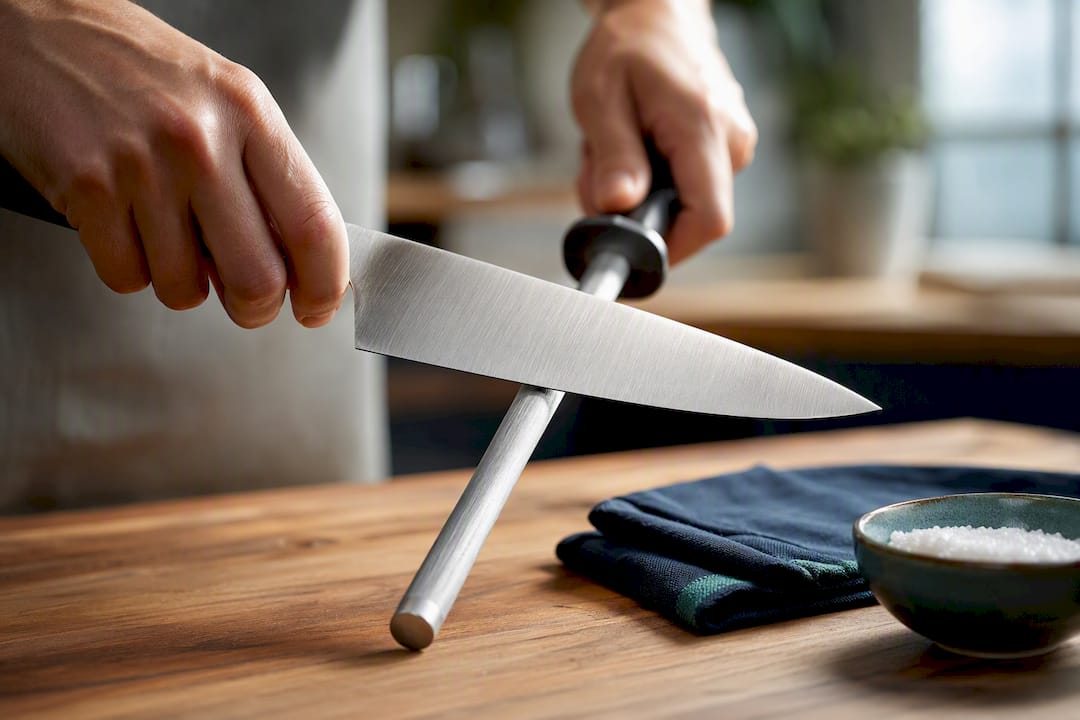
Pro Tip: Keep your chef’s knife sharp with a honing rod before every use, and get it professionally sharpened every few months. A knife like the ones in Wine Drop Cookery’s affordable chef knife guide holds an edge longer, which means less slipping and faster prep every single night.
Five Easy Recipe Formats You Can Reuse All Week
You don’t need a new recipe every night. You need a handful of formats you can plug different ingredients into, depending on what’s in your fridge and how much time you have. Nailing a few basic techniques like sautéing, roasting, and simmering covers the majority of weeknight cooking, according to NYT Cooking’s guide to becoming a better cook.
-
The one-pan sheet bake. Toss a protein (chicken thighs, salmon, tofu) with chopped vegetables (broccoli, potatoes, bell peppers), coat everything in olive oil, salt, and one spice. Roast at 425°F for 20 to 30 minutes depending on the protein. Swap vegetables based on the season and swap the spice based on your mood. One tray, one cleanup.
-
Quick pasta night. Boil pasta while you build a sauce in the same pan you’ll toss it in: garlic and olive oil, canned tomatoes, or butter and Parmesan. Reserve a splash of pasta water to loosen the sauce at the end. Fifteen minutes from stove-on to plated.
-
Stir-fry or skillet dinner. Cut protein and vegetables into similar-sized pieces so they cook evenly. Sear the protein first, remove it, cook the vegetables, then combine with a sauce anchor like soy sauce, a splash of vinegar, and a little honey or sugar. Ready in under 20 minutes once everything is chopped.
-
Batch soups and stews. Build a pot with onions, garlic, and whatever vegetables you have, add beans or lentils and broth, and simmer for 30 to 45 minutes. This format doubles easily and freezes well, which makes it the backbone of any real batch-cooking routine.
-
Grain bowls. Cook a base grain (rice, farro, quinoa), top with roasted or sautéed vegetables, a protein, and a simple dressing (lemon juice, olive oil, a spoon of mustard or tahini). This format is built for using up leftovers from earlier in the week.
Each format takes 15 to 45 minutes and leans on the same pantry staples you’re already stocking. Once you’ve made one version of each, you’ll start improvising without a recipe in front of you at all.
Meal Planning and Small-Batch Strategies That Actually Stick
A weekly plan doesn’t need to be elaborate to work. Pick three dinners you’ll actually cook, leave one night flexible for leftovers or a quick pantry meal, and plan lunches around whatever dinner made extra. That’s the whole system.
Batch cooking works best when you treat it as a continuum rather than an all-or-nothing weekend project. You can scale it to fit your schedule, from cooking one extra serving tonight for tomorrow’s lunch, to setting aside a few hours to fill the freezer with ready meals, according to The Seattle Times. Starting small removes the pressure that keeps a lot of people from batching at all.
A few rules keep this from falling apart:
- Shop with your three planned dinners in mind, not a vague sense of “healthy food.”
- Store cooked grains, beans, and roasted vegetables in clear containers so you actually see and use them.
- Freeze soups and stews in single-serving portions for grab-and-go lunches.
- Check your fridge before you shop again, so nothing wilts unused in the back.
If your week genuinely has no room for planning, a meal-prep framework built for busy schedules, like the one in this guide for busy professionals, can bridge the gap without requiring you to become a full-time meal planner. The goal isn’t perfection. It’s having something real to eat on a Tuesday without ordering delivery out of exhaustion.
Health and Budget Evidence: How to Use It in Your Cooking Decisions
The research is consistent on two fronts: home cooking tends to cost less, and it tends to support better eating patterns. That’s not a guess, it’s a pattern backed by the Academy of Nutrition and Dietetics on the cost side and by cooking-frequency research on the diet-quality side. The practical question is how to translate that into actual decisions at the grocery store and the stove.
Start with swaps, not overhauls. Replace one packaged, heavily processed dinner a week with a home-cooked version built around beans, whole grains, and vegetables. The American Heart Association’s research on ultraprocessed foods supports this direction without requiring you to eliminate convenience food entirely. Portion guidance matters here too: a grain bowl built on half vegetables, a quarter grain, and a quarter protein gives you a template that works across almost any ingredient combination you have on hand.
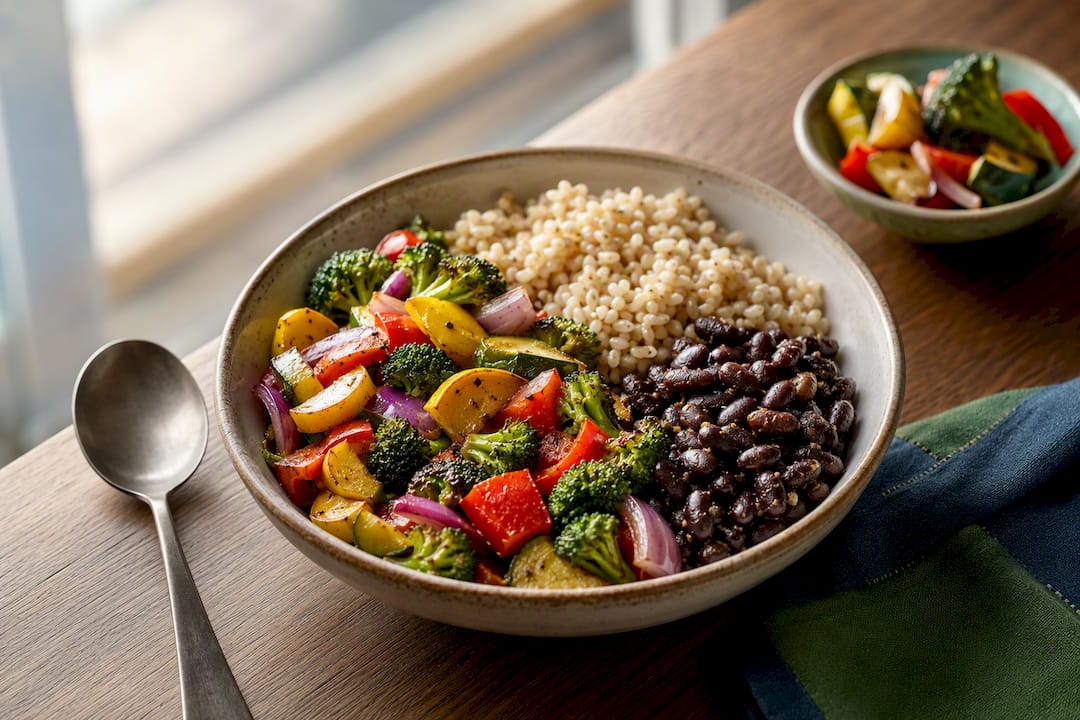
Be realistic about time versus benefit. Cooking every single meal from scratch isn’t necessary to see the upside. Cooking most weeknight dinners at home, while leaving room for the occasional takeout night or frozen backup, still moves your diet quality and your grocery bill in the right direction. The evidence points to frequency mattering more than perfection.
Practical How-Tos and Wine Drop Cookery Resources to Speed Learning
A few small habits separate cooks who stick with it from cooks who burn out after two weeks. Reading a recipe fully before you start prevents the moment where you realize step six needed something to marinate for an hour. Practical habits like this, along with mise en place and small tool upgrades, reduce kitchen stress and make cooking a repeatable habit rather than a chore, according to The Scramble’s guide for home cooks.
Here’s what to practice first:
- Knife grip: Curl your fingertips under (the “claw”) on your guiding hand, and grip the blade itself, not just the handle, for control.
- Mise en place: Chop and measure everything before turning on the heat. It sounds slower. It’s actually faster once you’re cooking.
- Season as you go: Add salt at each stage, not just at the end, to build layered flavor rather than a single flat note, per The Guardian.
- Practice with structure: Digital cookbooks for home chefs give you repeatable formats to work from while you build muscle memory.
None of this requires culinary school. It requires repetition, a sharp knife, and a willingness to burn one pan of vegetables before you get the timing right.
Curated Resources and Internal Links for Recipes, Techniques, and Planning
If you want to keep building on what’s here, a few resources are worth bookmarking. For weeknight recipe ideas beyond the five formats above, this roundup of recipe blogs points to sources that actually deliver on realistic dinners. For organizing a pantry so your staples stay visible and usable, this feature on pantry transformations covers storage setups that cut down on wasted food. And for the research behind the cost and health claims throughout this guide, the Academy of Nutrition and Dietetics and Harvard Health’s coverage of nutritional psychiatry are both worth a closer read.
Why We Care About Home Cooking
Cooking is one of the few daily acts that’s both practical and personal. It feeds people, but it also gives you a place to be creative, to slow down, to show someone you were thinking about them. Some companies build their resources and tools around that idea: durable knives and reliable equipment that make the daily work of cooking feel less like a chore and more like something worth doing well. Pick one recipe format from this guide and cook it this week. That’s the whole first step.
Alan
Tools That Make These Recipes Easier to Cook
A sharp knife changes everything about the formats in this guide. Prep that takes twenty frustrating minutes with a dull blade takes five with the right one, and Wine Drop Cookery’s Damascus steel chef knife set is built to hold its edge through the kind of daily chopping that beginner cooks need most.

If food safety and doneness feel like the trickiest part of the sheet-pan and skillet formats above, a digital meat thermometer removes the guesswork on chicken, pork, and fish without a single cut test. And once you’re ready to move past the two-knife starter kit, the full essential kitchen tools collection rounds out your setup with the utensils and cookware that support every recipe format covered here. Browse the collection, pick the one tool that solves your biggest kitchen frustration, and add it to your next order.
Sources
- Learn to cook at home | Academy of Nutrition and Dietetics
- Get a sharp knife, season properly and don’t do too much at once: how to start cooking | The Guardian
- Cooking frequency and diet quality: a cross-sectional analysis (PMC5401643)
- Nutritional psychiatry: Your brain on food | Harvard Health Blog
FAQ
What Is the Meaning of Home Cooking?
Home cooking means preparing meals yourself from raw or minimally processed ingredients, rather than buying pre-made, restaurant, or heavily packaged food. It typically involves basic techniques like sautéing, roasting, and simmering, applied to a pantry of staples you control.
Is Home Cooking Actually Cheaper Than Eating Out?
Yes, in most cases. Pantry staples like dried beans, bulk grains, and canned tomatoes cost a fraction of comparable restaurant meals, according to the Academy of Nutrition and Dietetics.
What Kitchen Tools Do Beginners Actually Need?
An 8-inch chef’s knife, a paring knife, one pot, one skillet, and a baking sheet cover most weeknight recipes. A starter set of essential tools from Wine Drop Cookery is built around exactly this short list.
How Often Should I Cook at Home to See Health Benefits?
More frequent home cooking is linked to better overall diet quality in observational research, and even cooking most weeknight dinners while allowing occasional takeout still shifts your diet in a healthier direction.
What’s the Easiest Recipe Format for a Beginner?
The one-pan sheet bake is usually the easiest starting point: toss a protein and chopped vegetables with oil, salt, and one spice, then roast at 425°F for 20 to 30 minutes with a single pan to clean.
0 comments