

The best recipe food blogs for real cooking right now are Serious Eats, Pinch of Yum, RecipeTin Eats, Skinnytaste, Budget Bytes, Minimalist Baker, Damn Delicious, Love and Lemons, and Cookie and Kate. Each one earns its spot for a different reason.
- Serious Eats — best for anyone who wants to know why a recipe works, not just how.
- Pinch of Yum — best for approachable, crave-worthy weeknight food.
- RecipeTin Eats — best for meticulously tested global recipes.
- Skinnytaste — best for healthy meals that don’t taste like diet food.
- Budget Bytes — best for cooking well on a tight grocery budget.
- Minimalist Baker — best for simple, mostly plant-based cooking.
- Damn Delicious — best for fast, one-pan dinners with minimal cleanup.
- Love and Lemons — best for vegetable-forward, colorful meals.
- Cookie and Kate — best for vegetarian comfort food done right.
Subscribe to each blog’s newsletter or recipe box, and you’ll get new dinner ideas delivered without having to remember to check back.
Key Takeaways
Reliable recipe food blogs combine tested instructions, clear photography, and meal-planning tools, and pairing them with dependable kitchen equipment turns inspiration into consistent, repeatable dinners.
| Point | Details |
|---|---|
| Start with a shortlist | Follow two or three blogs that match your goals, like Skinnytaste for healthy meals or Budget Bytes for cost control. |
| Use newsletters, not memory | Subscribe and download free e-cookbooks so new recipes reach you automatically. |
| Check for testing notes | Blogs that mention retesting a recipe are more likely to work the first time you cook it. |
| Build meals around shared ingredients | Plan two dinners from one grocery trip by choosing recipes with an overlapping main ingredient. |
| Match tools to technique | A reliable chef’s knife makes prep-heavy blog recipes far easier to execute well. |
Table of Contents
- Best Recipe Food Blogs for Weeknight Dinners, Baking, and Budgets
- How to Turn Recipe Blogs Into a Real Meal-Planning System
- How to Choose the Right Food Blog for Your Cooking Goals
- Why the Best Food Blogs Earn Your Trust
- Ways to Connect With Food Bloggers and Their Communities
- Popular Recipe Themes Worth Following This Year
- What Separates a Great Recipe Blog From an Average One
- Why I Still Reach for a Good Blog Recipe Over a Cookbook
- Make Blog Recipes Easier to Cook With the Right Tools
- Sources
- FAQ
Best Recipe Food Blogs for Weeknight Dinners, Baking, and Budgets
Not every blog on this list solves the same problem, which is exactly the point. Pick based on what your week actually looks like, not on which one has the prettiest photos.
-
Serious Eats. This is the blog for cooks who ask “but why does this work?” Every recipe goes through repeated kitchen tests before publishing, and the site pairs recipes with genuine food science explanations instead of vague tips. If you’ve ever wondered why your steak sears unevenly or your pie crust turns tough, this is where you’ll find the answer, along with the fix.
-
Pinch of Yum. Known for approachable dinners that don’t sacrifice flavor for speed, Pinch of Yum built a loyal following on recipes like Thai peanut noodles and skillet lasagna. The site offers a free eCookbook of its most popular dinners, a smart way to sample the blog’s style before committing to a full week of its recipes.
-
RecipeTin Eats. Founded by Nagi Maehashi, this blog treats recipe testing like a science, often running a dish through multiple versions before it goes live. RecipeTin Eats draws traffic in the multiple millions of monthly visits, a scale that reflects just how much home cooks trust its instructions to work on the first try.
-
Skinnytaste. Gina Homolka’s site focuses on lightened-up comfort food, complete with calorie counts and WW points for every recipe. It’s the go-to for readers managing weight or macros who still want dinner to taste like dinner, not a sad substitute.
-
Budget Bytes. Beth Moncel built this blog around a simple idea: show the actual cost of cooking. Recipes like her creamy tomato chicken come with per-serving price breakdowns, so you know a meal costs $2.40 a plate before you even shop. That transparency makes it the clearest choice for anyone stretching a grocery budget.
-
Minimalist Baker. True to its name, most recipes here use ten ingredients or fewer and one bowl or pot. Heavily plant-based but never preachy about it, this is where you go when you want dinner on the table without a sink full of dishes after.
-
Damn Delicious. Chungah Rhee’s blog is built for speed: sheet-pan dinners, one-pot pastas, and skillet meals that rarely take more than 30 minutes. If your standard is “how fast can I eat,” this blog answers that question better than almost anyone.
-
Love and Lemons. Jeanine Donofrio’s site treats vegetables as the main event rather than a side note, with produce-forward recipes organized by ingredient. It’s especially useful during peak growing seasons when you’re staring at a farmers’ market haul and need direction.
-
Cookie and Kate. Kathryne Taylor’s blog specializes in vegetarian comfort food, from creamy soups to baked pastas, with recipes written clearly enough for cooking beginners to follow without guessing.
How to Turn Recipe Blogs Into a Real Meal-Planning System
Bookmarking a dozen recipes does nothing if you never cook them. Turning inspiration into dinner takes a system, and it’s simpler than it sounds.
-
Subscribe before you need it. Sign up for newsletters from two or three blogs that match your cooking style, and download any free eCookbooks they offer, Pinch of Yum’s free collection is a solid starting point. That way, new ideas land in your inbox instead of getting lost in a browser tab you’ll never reopen.
-
Build around shared ingredients. Pull three to five trusted recipes that use the same core ingredient, chicken thighs, for example, and plan two dinners around that single grocery trip. This cuts shopping time and food waste at once.
-
Adapt as you cook. Scale servings up or down, swap a pantry staple for whatever’s on hand, and note which steps you can prep ahead. A recipe is a starting point, not a contract.
Pro Tip: Keep a simple running list, digital or paper, of recipes you’ve actually cooked and liked. After a month, you’ll have a personal “greatest hits” menu instead of a Pinterest board full of dinners you never made.
How to Choose the Right Food Blog for Your Cooking Goals
A blog that’s perfect for one cook can be useless to another. Before you commit to following one, run it through a quick checklist.
- Does the recipe include testing notes or mention how many times it was made before publishing?
- Are instructions written step by step, with specific times and temperatures instead of vague cues like “cook until done”?
- Are ingredients things you can actually find at a regular grocery store?
- Does the recipe state a realistic time to make, and does that match your weeknight reality?
- Can you filter by diet, vegetarian, gluten-free, low-carb, without digging through unrelated posts?
- Is the site organized with real search and category tools, or is finding anything a scroll-and-pray exercise?
Red flags are just as telling: recipes with no measurements, steps that contradict each other, or zero process photos to confirm what a stage should actually look like. If you’re planning a fast Tuesday dinner, a blog heavy on all-day braises is the wrong fit, even if the writing is excellent. Match the blog to the meal, not the other way around.
Why the Best Food Blogs Earn Your Trust
Reliable recipe blogs share a few habits that separate them from a random recipe you find through a search. They document testing, they explain their reasoning, and they show their work in photos, not just finished-plate glamour shots.
A recipe that lists how many times it was tested, or explains why an ingredient behaves a certain way, is telling you something most recipes don’t: that someone checked it actually works before asking you to trust it with dinner.
The scale behind this matters too. Sites like RecipeTin Eats and Serious Eats draw traffic in the multiple millions of monthly visits, a volume only possible when recipes consistently work for strangers cooking in different kitchens with different stoves. Many of these operations run like small media teams, often just a handful of people handling photography, testing, and writing, which is exactly why their production quality stays consistent post after post. When you’re scanning a new blog, look for those same signals: testing notes, clear step photos, and a meal-plan or e-cookbook resource that shows the author thinks beyond a single recipe.
Ways to Connect With Food Bloggers and Their Communities
Recipe blogs stop feeling like a one-way street once you start engaging with them, and that engagement often makes your cooking better. Comment sections are the most underused resource on any food blog. Readers frequently post their own substitutions, timing adjustments, or warnings about a step that’s trickier than it reads, information you won’t find in the recipe card itself.
Social media adds a different layer. Most bloggers post behind-the-scenes process shots, quick video demos of tricky techniques, and reader submissions on Instagram or TikTok that never make it into the written post. Following a blog there gives you the version of the recipe that’s easiest to actually watch and copy, especially for techniques like folding dough or searing without overcrowding a pan.
Newsletters remain the most reliable way to stay current with a blog you like. Unlike social feeds, which algorithms filter and reorder, an email newsletter puts new recipes directly in front of you on the blogger’s schedule, not a platform’s.
And don’t underestimate simply leaving a comment or a star rating after you cook something. Bloggers use that feedback to refine recipes, and other readers rely on it to judge whether a dish is worth their time before they shop for it. A five-star rating with a note like “added extra garlic, worked great” helps the next cook more than either star alone.
Popular Recipe Themes Worth Following This Year
Cooking habits have shifted toward speed and simplicity, and the blogs that thrive right now reflect that shift directly in their content.
Thirty-minute meals remain the most searched category across nearly every major food blog, and for good reason: they match how much time most people actually have on a weeknight. One-pan and one-pot dinners follow close behind, driven as much by cleanup fatigue as by cooking speed. Sheet-pan dinners solve a similar problem by roasting a protein and vegetables together on a single tray, with almost no active cooking involved beyond a flip halfway through.
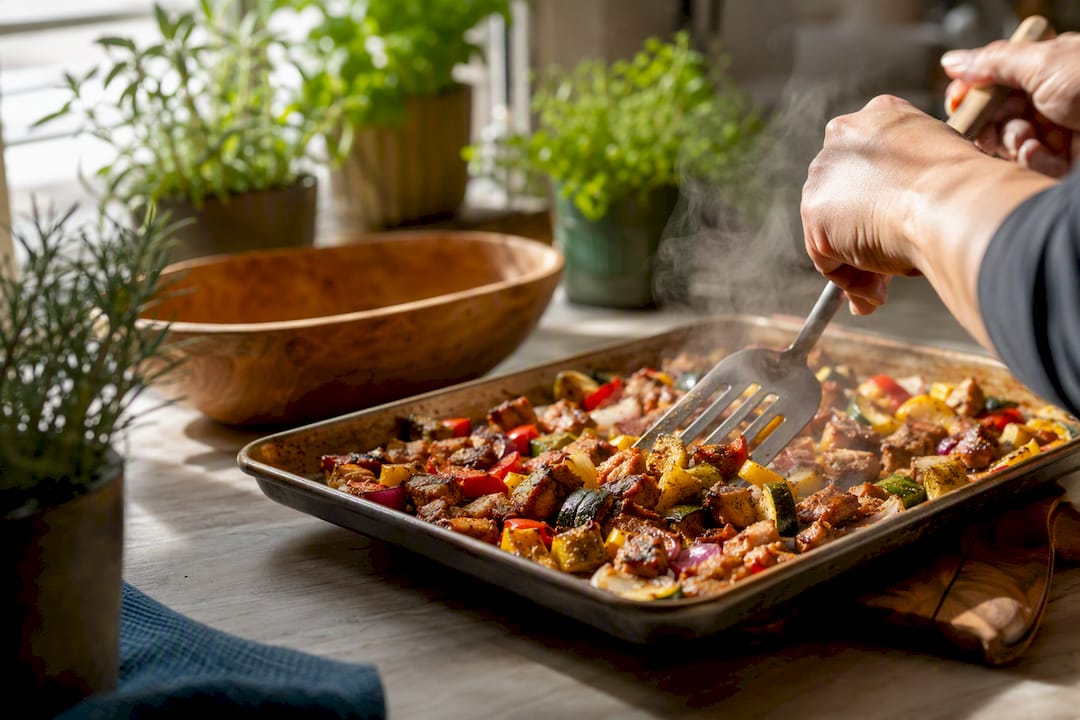
Air fryer recipes have moved from novelty to staple, especially for reheating, roasting vegetables, and crisping proteins without heating up a full oven. If you’re new to the appliance, a beginner’s guide to air fryer cooking is worth reading before you dive into recipe collections built specifically around it, like a dedicated air fryer recipe cookbook.
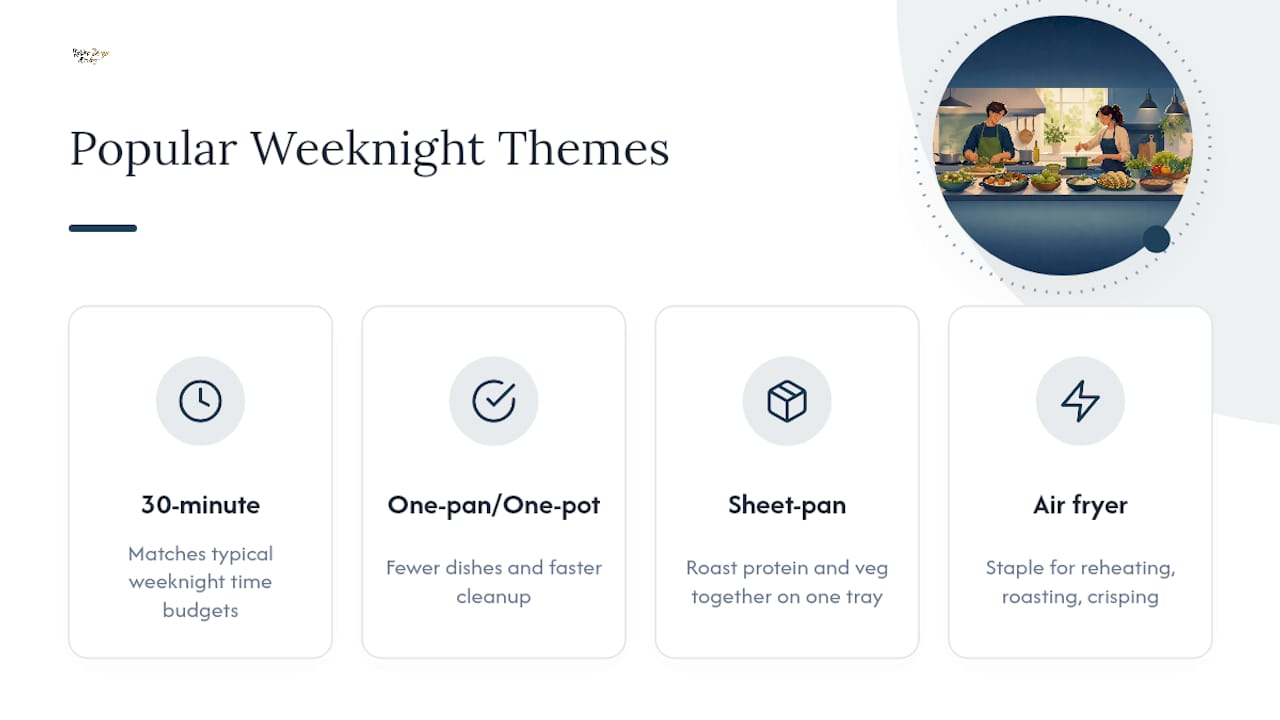
Top blogs consistently favor quick recipes with minimal ingredients and clear dietary labeling, a pattern that shows up across weeknight-dinner blogs, budget blogs, and healthy-eating blogs alike. The common thread across every trending format is the same: less active time, fewer dishes, and clear labeling so you can filter for what fits your night.
What Separates a Great Recipe Blog From an Average One
The difference usually comes down to five habits, and once you know what to look for, you can spot them in under a minute of scanning a post.
Clear methods top the list. A well-written recipe tells you exactly what “done” looks like, not just a time range that assumes your stove behaves like the author’s. Tested recipes back that up: blogs that mention retesting a dish two or three times before publishing are telling you they caught the mistakes before you did.
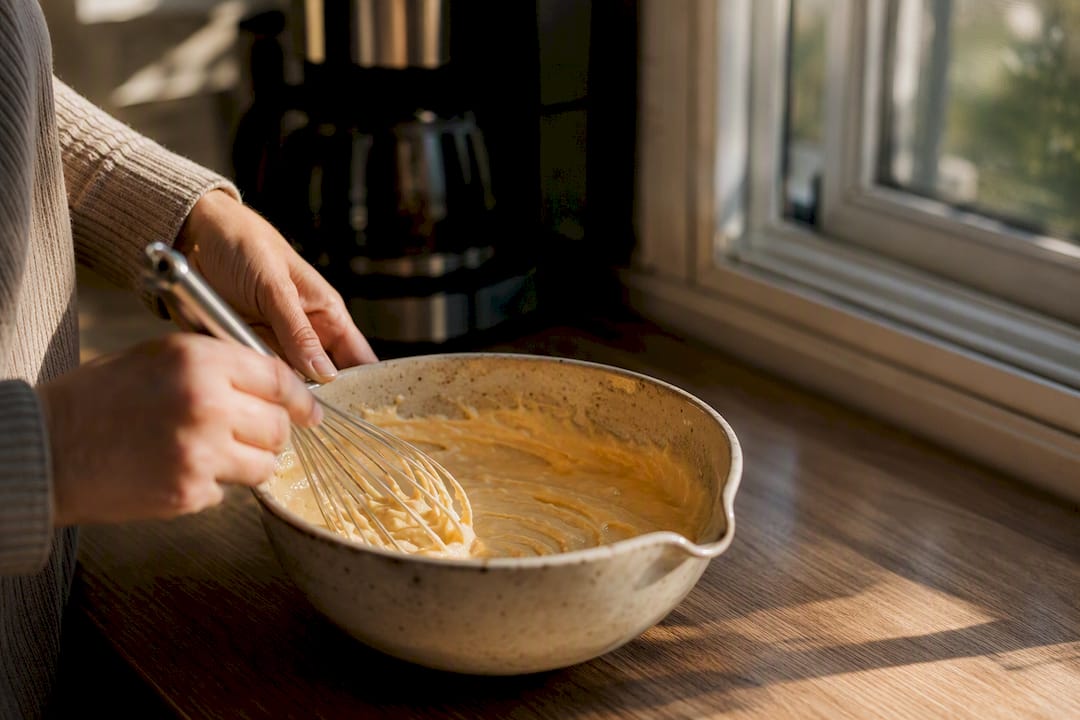
Photos matter for a reason beyond appeal. Step-by-step images confirm what a batter, a sear, or a dough should look like at each stage, which catches errors before they ruin dinner. Meal plans turn a single recipe into a system, and many healthy-eating blogs now offer downloadable weekly plans or macro-tracking tools that do the planning work for you.
Finally, e-books and e-cookbooks signal a blogger has organized their best work into something usable beyond a single scroll session. A free download is often the fastest way to judge whether a blog’s overall style fits your kitchen before you commit to following it long term.
Why I Still Reach for a Good Blog Recipe Over a Cookbook
Cookbooks are wonderful, but a blog recipe with 200 comments tells you something a cookbook never can: whether it actually worked for someone else’s kitchen. I once followed a prep-heavy braised short rib recipe that called for careful, even cuts on the meat before searing, and a dull knife nearly wrecked the dish before it hit the pan. The recipe wasn’t the problem. My tools were.
That’s the pairing worth remembering: complex, technique-driven recipes deserve a quality chef’s knife that can handle precise cuts without fighting you. The best recipe in the world still depends on decent equipment doing its job.
Make Blog Recipes Easier to Cook With the Right Tools
Great recipes solve half the problem. The other half is whether your kitchen can actually execute them without a fight. A recipe blog can hand you the steps for a perfect pan sauce or a precisely diced mirepoix, but a dull knife or a flimsy spatula turns that guidance into frustration fast.
Wine Drop Cookery focuses on the tools that make blog recipes go smoothly rather than fighting you along the way. A well-balanced chef’s knife makes quick work of the prep-heavy recipes from sites like Serious Eats or RecipeTin Eats, while a reliable coffee maker means your morning routine doesn’t compete for counter space when you’re also trying to meal-prep for the week. Browse the kitchen essentials collection for curated sets built around exactly this kind of everyday cooking, from durable utensil sets to knives designed for repeated weeknight use. If you’re building out a recipe rotation from any of the blogs above, start there and outfit your kitchen to match the meals you’re planning.
Sources
- RecipeTin Eats - A Food Blog Serving Up Quick & Easy Dinner Recipes
- Serious Eats
- Pinch of Yum - Simple and tasty recipes
- Wholesome Yum
- Budget Bytes - Creamy Tomato Chicken
FAQ
What are the best food blogs for recipes?
Serious Eats, Pinch of Yum, RecipeTin Eats, Skinnytaste, Budget Bytes, Minimalist Baker, Damn Delicious, Love and Lemons, and Cookie and Kate consistently deliver tested, reliable recipes across different cooking styles and budgets.
Who are the most popular food bloggers?
Bloggers like Nagi Maehashi of RecipeTin Eats, Gina Homolka of Skinnytaste, and Beth Moncel of Budget Bytes have built large followings through consistently tested recipes, with sites like RecipeTin Eats and Serious Eats drawing traffic in the multiple millions of monthly visits.
Where do food bloggers get their recipes?
Most build recipes through repeated kitchen testing, personal family traditions, and reader feedback, refining a dish across several versions before publishing rather than posting an untested first attempt.
What are the top recipe food blogs to follow in 2026?
The strongest lineup right now includes Serious Eats for food science, Pinch of Yum for approachable dinners, RecipeTin Eats for tested global recipes, Skinnytaste for healthy comfort food, and Budget Bytes for cost-conscious cooking.
How do I know if a recipe blog is trustworthy?
Look for testing notes, step-by-step photos, and specific measurements rather than vague instructions. A blog that explains why a technique works, the way Serious Eats does, is a strong signal of editorial care.
0 comments