

If you want to learn technique, buy a technique or reference cookbook first. If you’re building baking confidence, choose one with gram weights. For fast weeknight wins, grab a focused weeknight cookbook. Wine Drop Cookery’s curated digital cookbook collection is a smart place to start browsing by goal rather than by bestseller list.
TL;DR:
- Choose a cookbook category that matches your goal, such as technique books for improvisation or baking books for consistency.
- Prioritize books with gram weights for baking and check for updated editions that reflect current techniques and ingredient sourcing.
- Seek out authors with verified recipe testing or reputable publisher credentials for reliable results, especially for health or technique-focused books.
- Digital cookbooks with clear organization and practical headnotes can be more useful than trendy titles or high-priced coffee-table books.
- Focus on cookbooks that explain the why behind techniques and include precise measurements, as they provide lasting skills beyond just following recipes.
Table of Contents
- Which Cookbook Category Actually Fits Your Goal?
- How Do You Choose a Cookbook Before You Buy?
- Where Can You Find Cookbook Discounts, and Which Format Wins?
- What Makes Wine Drop Cookery’s Cookbook Picks Different?
- How Much Should a Cookbook Actually Cost?
- How Long Until a Cookbook Actually Improves Your Cooking?
- How Do You Vet a Cookbook Author’s Credibility?
- What’s the Real Difference Between Cookbook Editions?
- How Do Dietary Restrictions Change Which Cookbook You Buy?
- The Cookbook Advice Nobody Tells You
- Shop Wine Drop Cookery for Cookbooks and the Tools That Make Them Work
- Sources
- FAQ
Which Cookbook Category Actually Fits Your Goal?
Not every cookbook is trying to do the same job, and matching the category to your goal saves you money and shelf space. Here’s how the major categories break down and who each one actually serves.
Technique and reference books teach the why behind cooking, not just the what. Salt, Fat, Acid, Heat has sold more than one million copies by teaching four core elements instead of a stack of recipes, which is exactly why cooks who read it stop needing recipes for everyday meals. These books are best for anyone past the “just follow the steps” stage who wants to improvise with confidence.
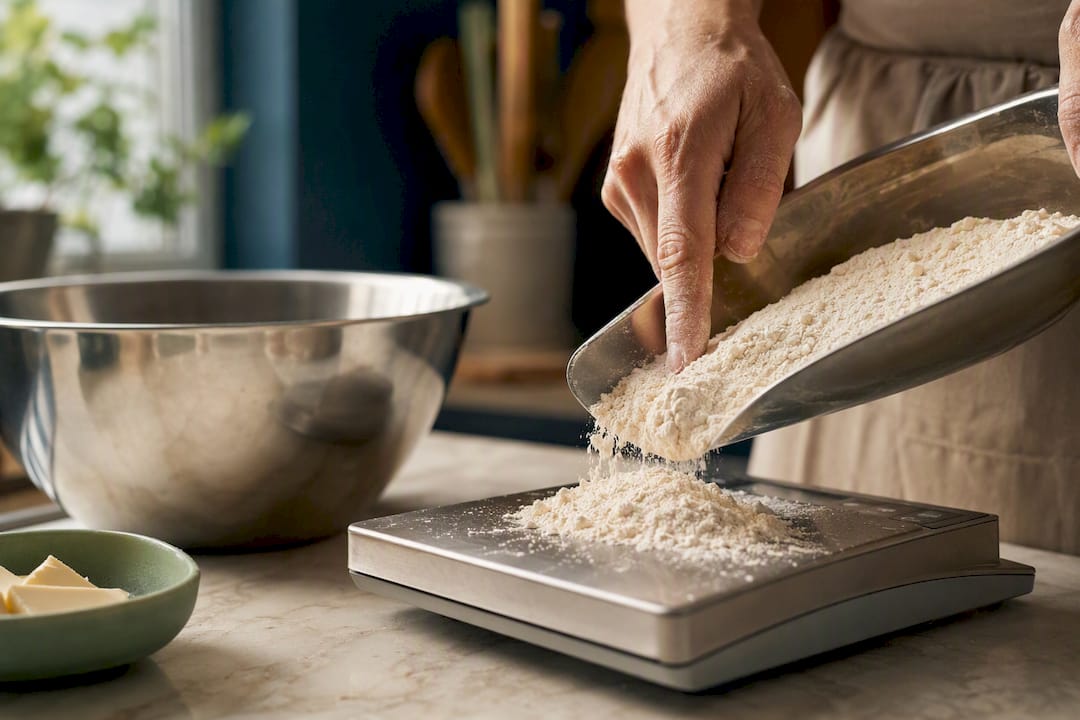
Baking books live and die by precision. Because oven chemistry punishes guesswork, the best ones use gram weights instead of cups, cutting down on the variation that ruins a batch of croissants. Joy of Cooking has sold over 20 million copies partly because its revised editions modernized measurements and technique for exactly this reason.
Weeknight and one-pan cookbooks trade ambition for speed, usually organizing recipes by cook time or dish count rather than by cuisine. They’re built for parents, students, and anyone cooking dinner after a nine-hour day.
Regional cookbooks go deep on one cuisine or place, teaching ingredient sourcing and technique specific to that food culture. They suit cooks who’ve mastered basics and want to specialize.
Coffee and beverage guides round out a kitchen library for entertainers who want their morning routine or dinner-party drink service to feel as considered as the meal itself.
- Technique/reference: best for cooks ready to stop following recipes
- Baking: best for anyone who wants consistent, repeatable results
- Weeknight/one-pan: best for time-strapped cooks who still want real food
- Regional: best for cooks specializing in a specific cuisine
- Coffee/beverage: best for entertainers rounding out the full meal
How Do You Choose a Cookbook Before You Buy?
A cookbook that looks gorgeous on Instagram can still be useless in your actual kitchen. Run through this before you buy, whether you’re scrolling a product page or standing in an aisle.
- Check the level and scope. Is this book written for someone with zero experience, or does it assume you already know how to properly sear a piece of meat?
- Look for gram weights, especially for baking — a baking-focused book with metric measurements removes that guesswork almost entirely. Cup measurements vary by how firmly you pack flour; grams don’t. A baking-focused book with metric measurements removes that guesswork almost entirely.
- Flip to the index and headnotes. A well-organized book lets you find “what do I do with three eggplants” in seconds, and good headnotes flag common mistakes before you make them.
- Check for troubleshooting sections or companion media. Some titles now include QR-linked technique videos, which shorten the learning curve on tricky skills like laminating dough.
- Research the author and publisher. A chef with restaurant experience, a food writer with years of tested recipes, or a dietitian with clinical training all bring different (and valuable) credibility.
- Note the edition and revision date. Cookbooks get updated to reflect modern pantry staples and corrected recipe ratios, so an older printing may cook differently than a current one.
Pro Tip: Before buying, search the book’s title plus “errata” or “corrections.” Even well-tested cookbooks occasionally print a wrong oven temperature, and a quick search saves you a ruined dinner.
Where Can You Find Cookbook Discounts, and Which Format Wins?
Cookbook prices swing wildly depending on where and how you buy, and the format you pick matters almost as much as the title.
Publisher remainder sales, seasonal clearance (especially post-holiday, when gift cookbooks get marked down), and outlet bookstores are the most reliable discount sources. Digital collections also run sales more frequently than physical retailers because there’s no unsold inventory to clear.
- Ebooks win on searchability. You can Ctrl+F for “gram weights” or a specific ingredient instantly.
- Hardcovers win for photo-heavy technique books, where seeing the exact stage of a sauce or dough matters more than convenience.
- Digital/interactive editions are worth it if a title includes linked videos, since watching a knife cut beats reading about one.
Always check the ISBN or edition number before buying, especially secondhand. A revised edition of Joy of Cooking added gram weights and modern techniques that older printings simply don’t have, so the “cheap used copy” isn’t always the better deal.
What Makes Wine Drop Cookery’s Cookbook Picks Different?
Wine Drop Cookery curates its digital cookbook collection around usefulness first: clear recipe organization, practical headnotes, and gram weights wherever baking precision matters. Every title earns its spot by solving a specific cooking problem rather than just looking good on a shelf.
Two catalog examples show that range in practice:
- The Model Cook Book by Frances Willey leans into classic, foundational recipes that reward cooks building a reliable repertoire.
- The Ten PM Cook Book targets a very specific need: fast, satisfying food for people cooking late and tired.
Editorial “best of” roundups from outlets like Serious Eats publish new lists constantly, which is part of why a category-first approach beats chasing a single ranked list. Your goals don’t change every time a new list drops.
Bestselling technique books like Salt, Fat, Acid, Heat have moved over 1 million copies, and reference texts like Joy of Cooking have topped 20 million — proof that cooks reward books that teach durable skills, not just trendy recipes.
Wine Drop Cookery also pairs these picks with the tools a recipe assumes you already own, so a technique book’s instructions actually translate into results at your own stove.
How Much Should a Cookbook Actually Cost?
Cookbook pricing splits fairly predictably by format and ambition. A standard paperback weeknight cookbook typically runs in the $15 to $25 range, while a hardcover technique or reference book with heavy photography often lands between $30 and $45. Specialty or coffee-table cookbooks with extensive photo spreads can climb past $50.
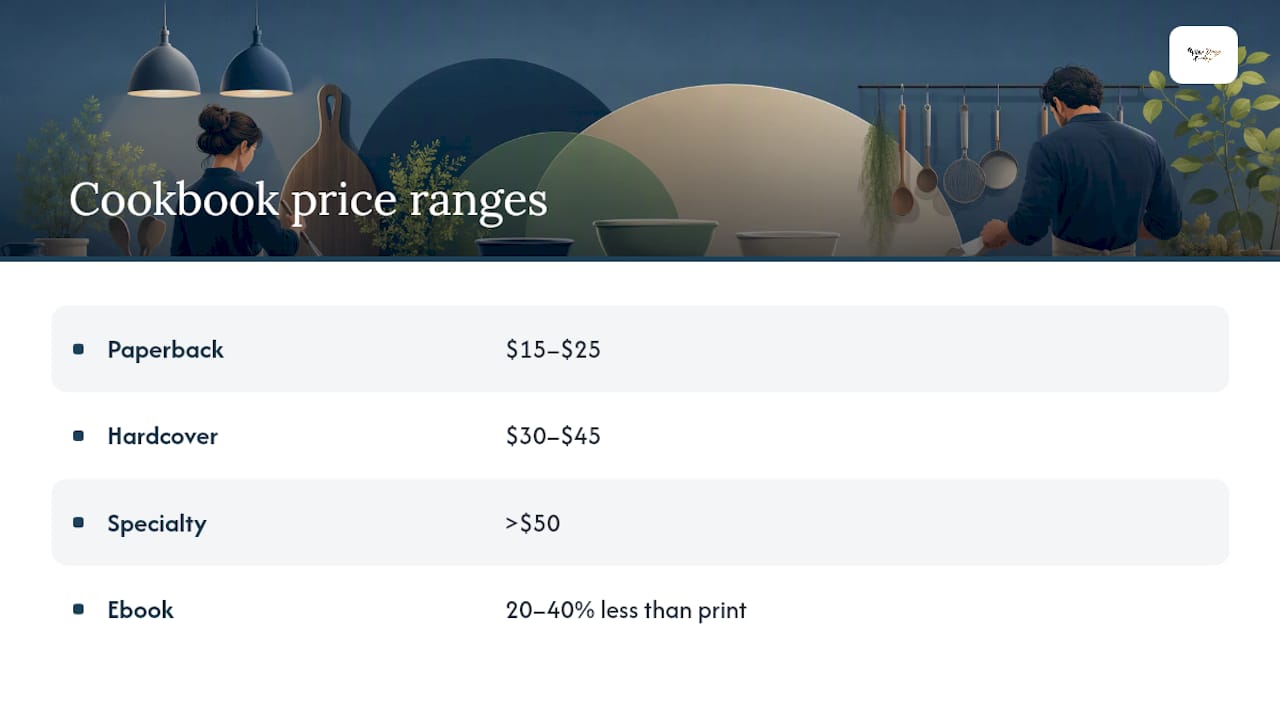
Ebooks usually cost 20% to 40% less than their print counterparts since there’s no printing or shipping cost baked in, which makes them a good low-risk way to test a new author before committing to a hardcover. Audiobook cookbooks exist but are far less common, for an obvious reason: cooking is visual, and a recipe read aloud loses the exact measurements and technique cues you actually need mid-recipe.
Bundled digital collections, like curated cookbook sets sold through a single retailer, often price below buying each title separately at full retail. That’s usually the better move if you’re building a library across several categories (technique, baking, weeknight) rather than chasing one specific title.
Used and remainder copies can undercut all of these prices, sometimes by half, but only make sense once you’ve confirmed the edition still includes current techniques and measurements.
How Long Until a Cookbook Actually Improves Your Cooking?
Skill improvement from a cookbook isn’t instant, but it’s faster than most people expect if the book is matched correctly to their level. Weeknight and one-pan cookbooks tend to show results almost immediately. You cook the recipe once, it works, and you’ve added a real dinner to your rotation within a week.
Technique and reference books work on a longer curve. Because they teach principles like heat control or seasoning balance rather than single recipes, most readers need to cook through several recipes, roughly three to six weeks of regular kitchen time, before they start improvising confidently instead of following instructions step by step.
Baking books sit somewhere in between. The first few bakes teach you to trust the gram weights and your oven’s actual behavior, and by the third or fourth recipe most bakers report noticeably better consistency, since baking rewards repetition more than intuition.
Regional cookbooks take longest to master fully, since they often ask you to source specific ingredients and build technique that doesn’t overlap with your existing habits. Give yourself a full season of cooking through one before judging whether the book “worked.”
How Do You Vet a Cookbook Author’s Credibility?
An author’s background tells you a lot about what kind of book you’re actually buying, and it’s worth checking before you commit.
Chefs bring restaurant-tested technique and usually excel at flavor-building and timing, though their recipes sometimes assume commercial equipment or skills home cooks haven’t built yet. Food writers and journalists often produce the most home-kitchen-tested recipes, since their process typically involves multiple rounds of recipe testing with regular readers rather than a professional kitchen crew. Dietitians and nutrition-credentialed authors bring genuine expertise to health-focused or specialty-diet cookbooks, which matters if a recipe claims to manage a medical condition.
A quick way to vet any author: search their name alongside “recipe tested” or check whether the publisher notes a formal recipe-testing process. Compilations from organizations like America’s Test Kitchen are built entirely around iterative testing, which is a strong reliability signal if you’ve been burned by a recipe that just didn’t work as written.
Also check publication history. An author with multiple editions or long-running column work has had their recipes checked by far more home kitchens than a first-time self-published title, which is not a knock against new authors so much as a reason to read a few sample reviews first.
What’s the Real Difference Between Cookbook Editions?
Cookbook editions aren’t just reprints with a new cover. A revised edition usually reflects real changes: updated ingredient availability, corrected recipe ratios, added gram weights, or entirely new chapters covering techniques that didn’t exist or weren’t common when the original published.
Joy of Cooking’s fully revised editions are the clearest example. Newer printings added modern techniques and gram weights that earlier editions simply didn’t have, which changes how reliably the recipes perform in your kitchen. Buying the oldest, cheapest copy of a “kitchen bible” can mean missing the exact updates that made it more useful in the first place.
When comparing editions, check the copyright date and look for publisher notes describing what changed. A “20th anniversary edition” or “fully revised” label usually signals substantive updates, not just a marketing refresh. If you’re buying used or secondhand, cross-reference the ISBN against the current edition to confirm you’re not paying for an outdated printing.
For technique-heavy books especially, a newer edition is often worth the price difference over a discounted older one, simply because the technique itself may have been refined based on reader feedback and additional testing.
How Do Dietary Restrictions Change Which Cookbook You Buy?
Specialty diets change what “good” means in a cookbook, so the usual checklist needs one more filter: does this book actually understand the restriction, or does it just relabel standard recipes?
Vegetarian and vegan cooking guides work best when they teach protein and flavor-building techniques specific to plant-based cooking, rather than simply swapping meat out of conventional recipes without adjusting technique. Gluten-free and allergen-focused cookbooks benefit enormously from authors with either professional baking science backgrounds or direct experience managing the restriction personally, since substitute flours behave very differently under heat.
If a specialty cookbook makes health claims, weigh the author’s credentials accordingly. A dietitian-authored book carries more weight for a claim like “supports blood sugar management” than a general food blogger’s version of the same recipe, even if both taste identical.
Also check whether the book accounts for cross-contamination guidance and clearly labels substitutions, since a “gluten-free adaptable” note without specific flour ratios often means more trial and error than the book promises. The gram-weight precision that matters for standard baking matters even more here, since alternative flours don’t behave predictably by volume.
The Cookbook Advice Nobody Tells You
Most cookbook guides rank titles by popularity, which is exactly backward. Popularity tells you what sold, not what taught someone to cook better. The more useful question is always which category solves your actual problem right now, and that’s a smaller, more honest list than any “best of” roundup admits.
The overrated credential in this space is the celebrity chef name on the cover. It sells books, but it doesn’t guarantee the recipes were tested in a normal kitchen with normal ingredients. The underrated credential is a boring one: a documented testing process, whether that’s a publisher’s test kitchen or a food writer who cooked through every recipe with reader feedback.
If you take one thing from this, prioritize gram weights and clear technique explanations over glossy photography. A cookbook that teaches you why a sauce splits will outlast a dozen recipes you’ll never make twice.
— Alan
Shop Wine Drop Cookery for Cookbooks and the Tools That Make Them Work
A great cookbook only gets you halfway. The rest comes down to whether your knife holds an edge, your measuring tools are accurate, and your coffee actually tastes right the next morning while you plan the day’s cooking. Wine Drop Cookery sells both sides of that equation: a curated digital cookbook collection built around usefulness and precision, plus the essential kitchen tools that turn a recipe on the page into a meal on the table.
If you’re starting a technique library, pair a reference cookbook with a knife that can actually execute the cuts it describes, like the Damascus steel chef knife set. Browse the collection, pick a category that matches your goal, and check out with the tools already in your cart.
Sources
FAQ
What Are the Top Cookbooks Worth Owning?
There’s no single definitive list, but foundational picks span categories: Joy of Cooking for broad technique, Salt, Fat, Acid, Heat for principles-based cooking, and a focused weeknight title for speed.
What Is the Most Popular Cookbook?
By copies sold, Joy of Cooking is among the most popular cookbooks ever published, with more than 20 million copies in print since its original release.
What Is the Number One Cookbook?
There’s no single official “number one,” since rankings vary by sales, awards, and category, but Joy of Cooking’s sales volume and multi-generational use make it the most commonly cited reference title.
What Is the Best-Selling Cookbook of All Time?
Joy of Cooking holds that distinction by total copies sold, having passed the 20 million mark across its many revised editions since first publishing decades ago.
Should Beginners Start With a Technique Book or a Recipe Collection?
Beginners often do better starting with a well-organized recipe collection for quick wins, then adding a technique book like Salt, Fat, Acid, Heat once basic confidence builds.
0 comments