

The best cookbooks of 2026 share one trait: they teach you something while you cook, not just what to cook. Our top picks are Hello, Home Cooking by Ham El-Waylly for technique, Obsessed With the Best by Ella Quittner for pure kitchen obsession, The Taste of Country Cooking: 50th Anniversary Edition by Edna Lewis for a classic reissue done right, Cake From Lucie by Lucie Franc de Ferriere for baking, and A Day in Seoul by Julien Kim for regional storytelling. A full top 10 with buying advice follows below.
TL;DR:
- Most of the top cookbooks of 2026 focus on teaching the “why” behind techniques, enabling home cooks to cook more confidently and independently.
- Ingredient accessibility remains crucial, with many recommended titles emphasizing common pantry items over rare or specialty ingredients.
- Visual and production quality are particularly important in technique books and baking titles, where photography helps clarify “golden brown” or specific textures.
- Selecting the right book depends on your cooking goals, whether baking, regional cuisine, technique mastery, or quick weeknight dinners.
- Equipping your kitchen with a good knife, scale, or stand mixer significantly enhances the success of recipes from these books.
Table of Contents
- Best Cookbooks 2026: The Editorial Top 10 Picks
- Why These Cookbooks Made the List
- Choosing a Cookbook by What You Actually Want to Cook
- How to Actually Use a New Cookbook (Not Just Admire It)
- The Food Trends Showing Up in 2026 Cookbooks
- Who’s Writing 2026’s Cookbooks
- What a 2026 Cookbook Actually Costs
- An Editor’s Note on Cookbooks in 2026
- Turning These Cookbooks Into Real Meals With the Right Tools
- Sources
- FAQ
Best Cookbooks 2026: The Editorial Top 10 Picks
Every year brings a flood of new cookbooks, but 2026’s crop stands out for a specific reason: publishers are betting on voice again. You’ll find fewer generic “30 minute meals” collections and more books built around a single point of view, whether that’s a chef’s technique-first philosophy or a home cook’s obsession with one dish done right. Here’s where we’d spend your money this year.
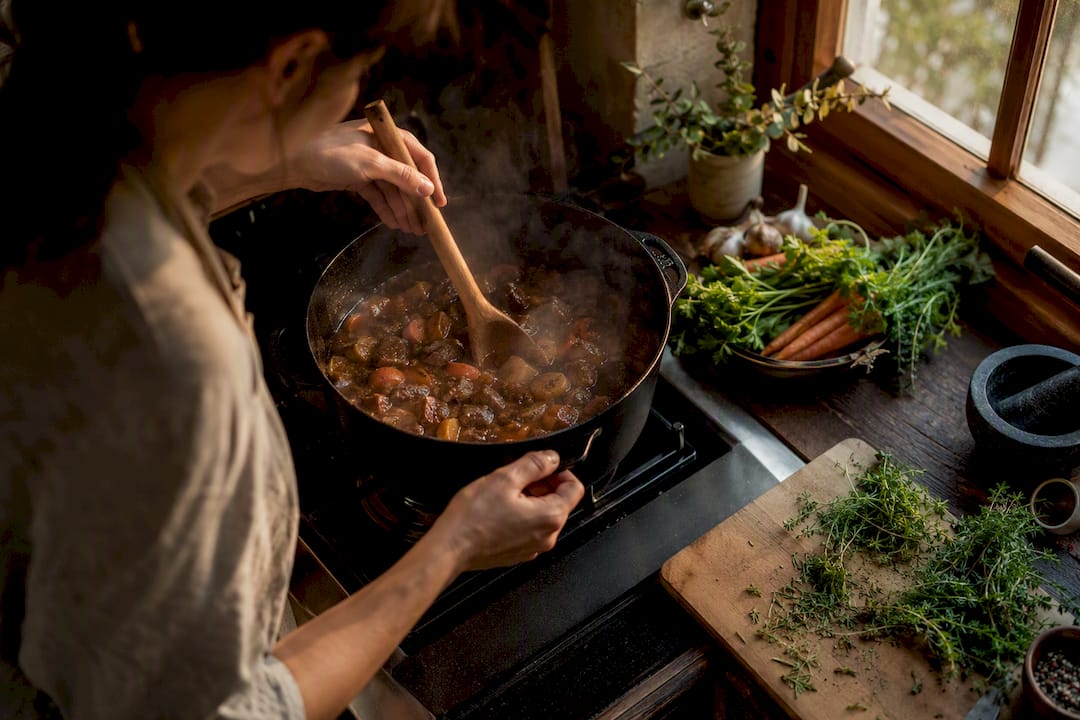
1. Hello, Home Cooking by Ham El-Waylly This is the technique book of the year. El-Waylly, known for his precise, almost scientific approach to home cooking, breaks down foundational skills (knife work, heat control, seasoning by feel) before handing you recipes. It’s best for a cook who already knows their way around a stove but wants to understand the “why” behind each step. Start with the braising chapter. It rewards patience and a heavy, oven-safe pot more than any fancy gadget.
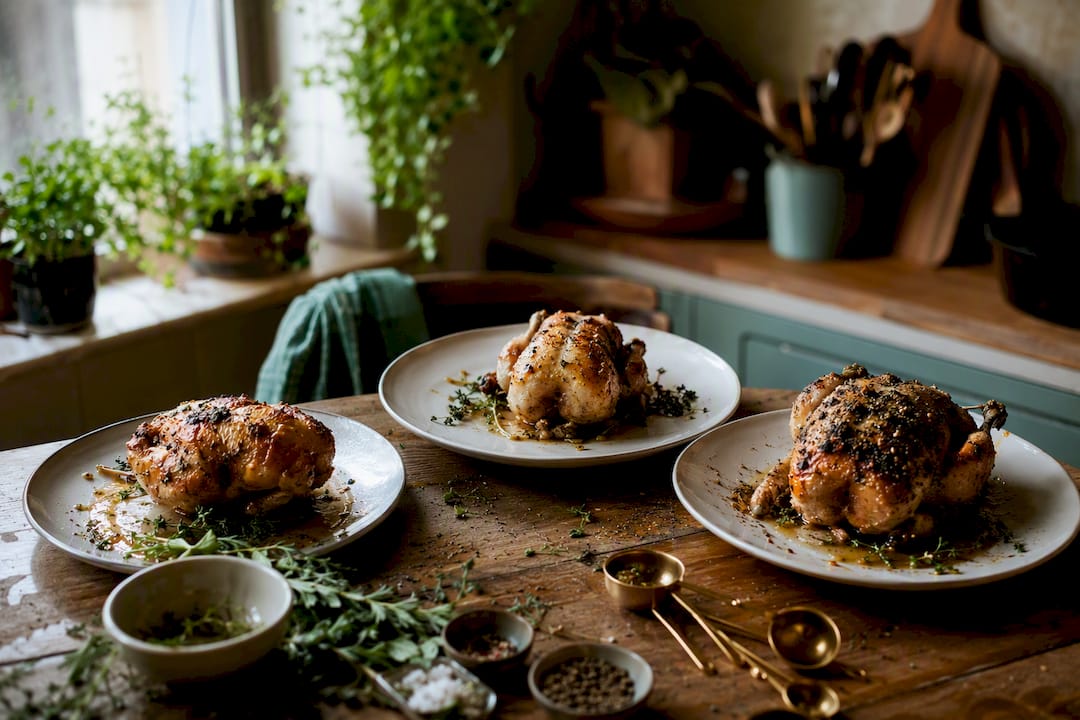
2. Obsessed With the Best by Ella Quittner Quittner’s book reads like a love letter to ingredient obsession. Each chapter chases one dish (the best roast chicken, the best chocolate chip cookie) through dozens of test variations, landing on a definitive version. It’s best for readers who enjoy the story of how a recipe gets built, not just the final instructions. Cook the roast chicken chapter first; it’s the clearest showcase of her testing method.
3. The Taste of Country Cooking: 50th Anniversary Edition by Edna Lewis Bon Appétit’s spring 2026 roundup singled out this reissue as one of the year’s most important releases, and for good reason. Edna Lewis’s 1976 classic on Southern seasonal cooking gets new photography and an updated introduction, but the original recipes and voice remain untouched. It’s best for anyone who wants to understand American regional cooking history, not just replicate a trend. Start with her spring vegetable chapter, which reads as fresh today as it did five decades ago.
4. Cake From Lucie by Lucie Franc de Ferriere This is the baking pick of the year, full of French pastry technique translated for home kitchens without industrial equipment. Franc de Ferriere writes with real warmth, walking through why a batter curdles or a crust shrinks before ever getting to the recipe. It’s best for a baker who’s tired of recipes that fail silently with no explanation. A reliable kitchen scale matters more here than any specialty pan.
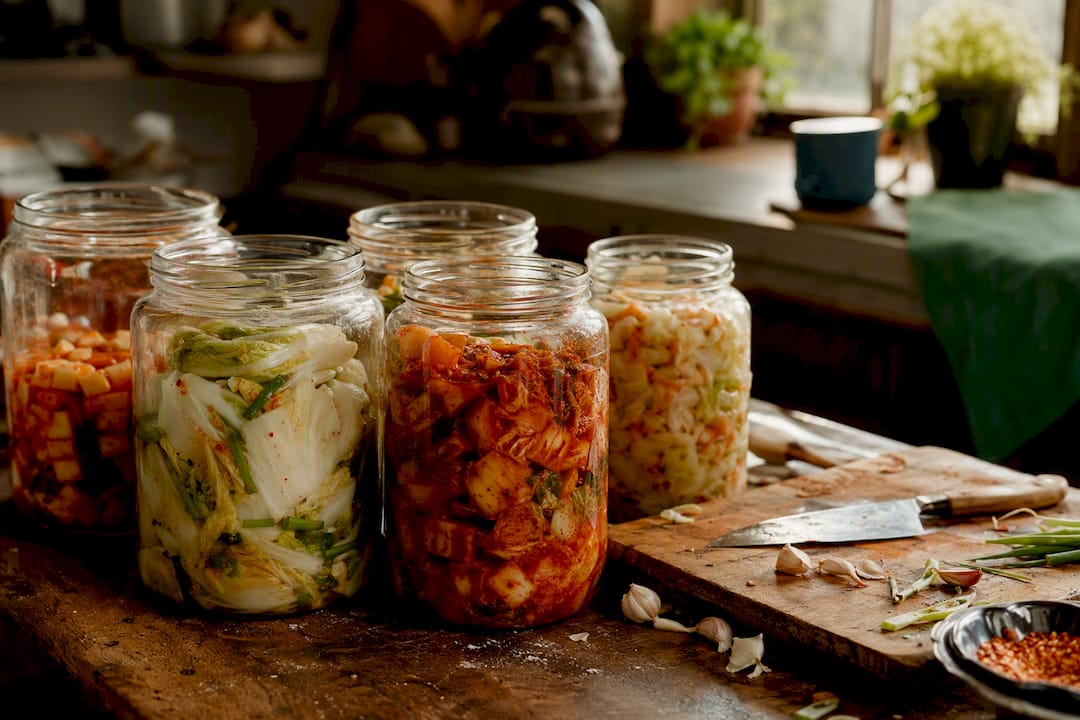
5. A Day in Seoul by Julien Kim Kim structures this book around a single day of eating in Seoul, following breakfast markets through late-night grilling spots. It’s best for cooks craving a regional deep dive rather than a scattered “greatest hits” approach to Korean cooking. The banchan chapter alone is worth the cover price, and it’s the best entry point if you’ve never made fermented sides at home.
6. How to Cook Everything, 2026 Edition by Mark Bittman Bittman’s essential reference gets its first full-color photography treatment in this edition, a production shift Penguin Random House highlights as a major update to a book that’s anchored home kitchens for decades. It’s best for beginners who need one comprehensive book instead of ten specialized ones. Keep it on the counter, not the shelf; it’s meant to be splattered on.
7. Smoke and Salt by (barbecue category standout) Eater’s spring 2026 coverage flagged a wave of strong barbecue and grilling releases this season, and the standout title in that lane focuses on regional American barbecue traditions with real attention to smoke management and rub chemistry. It’s best for a griller ready to move past bottled sauce and understand bark formation. A reliable meat thermometer is non-negotiable here.
8. The Weeknight Standard (weeknight category pick) A tight, no-nonsense collection built around 30 minute dinners that don’t taste like compromises. It’s best for a busy cook who wants variety without a pantry overhaul. Recipes lean on a handful of repeatable techniques (pan sauces, sheet-pan roasting) rather than one-off tricks.
9. Cook This Book (reference and teaching pick) This title leans hard into technique chapters that explain improvisation rather than rigid recipes, a structure that appeals to advanced home cooks who want to cook without a book eventually. It’s best for someone past the beginner stage who wants fewer recipes and more principles.
10. Essential Cookbooks Staff Favorites Collection Serious Eats’ editors built their own list of essential kitchen references that staff members actually cook from repeatedly, not just admire on a shelf. That distinction, books editors return to, is worth weighing heavily when you’re choosing where to spend limited shelf space.
Why These Cookbooks Made the List
We didn’t pick these books because they’re pretty. We picked them because they work in an actual kitchen, on an actual weeknight, with actual grocery store ingredients.
Our criteria came down to five things:
- Author point of view. A book with a clear voice gets reread; a generic one gets skimmed once and shelved.
- Reproducible recipes. If a recipe only works with a professional oven or a chef’s palate, it fails the home cook test.
- Ingredient accessibility. Specialty ingredients are fine occasionally, but a book built entirely around them isn’t useful.
- Production values. Photography and layout matter, especially for technique books where a photo shows you what “golden brown” actually looks like.
- Teaching value. The best books explain the “why,” which is exactly the trait Serious Eats points to when praising books that double as references.
For buying decisions: illustrated books are worth the hardcover price since paperback printing often mutes photography. Text-first reference books, like Bittman’s, hold up fine in paperback if you’re budget-conscious. Splurge on the anniversary editions; they’re rarely reprinted twice.
Pro Tip: If you’re gifting a cookbook, match the format to the person. A visual learner needs a photo-heavy book like Cake From Lucie; a confident cook who barely glances at photos will get more from a text-dense reference like How to Cook Everything.
Choosing a Cookbook by What You Actually Want to Cook
Not every cook needs the same book, so match the pick to the purpose.
- Baking: Cake From Lucie leads this category, with French technique broken into approachable steps. Commit to a digital kitchen scale before you start; volume measurements won’t get you the same results.
- Technique and reference: Hello, Home Cooking and Cook This Book both teach principles over recipes, ideal if you want to eventually cook without instructions.
- Regional deep dives: A Day in Seoul and The Taste of Country Cooking anchor this lane, one brand new, one a 50-year-old classic. Choose the reissue if you want cooking history; choose Kim’s book if you want a modern regional narrative.
- Weeknight cooking: Look for the tightest recipe lists with the fewest specialty ingredients; that’s where The Weeknight Standard earns its spot.
How to Actually Use a New Cookbook (Not Just Admire It)
Buying the book is the easy part. Getting real use out of it takes a little strategy.
- Read the technique chapters first, even if you skip straight to recipes normally. That’s where a cookbook like Hello, Home Cooking front loads the knowledge you’ll reuse in every other chapter.
- Cook one or two recipes before judging the whole book. Pick the dish the author clearly cares about most; it’s usually the strongest showcase of their method.
- Build a simple shopping and equipment checklist before your first cooking session so you’re not mid-recipe realizing you’re missing a tool.
- Adapt recipes carefully. Scaling a recipe up or down changes cooking times, not just ingredient amounts, and swapping ingredients can shift moisture or fat content enough to throw off a bake.
- Upgrade one tool at a time. A sharp chef’s knife makes prep faster and safer; a kitchen scale makes baking repeatable; a stand mixer turns Franc de Ferriere’s dough chapters from a wrestling match into a routine.
Understanding how flavors build across a dish, not just following steps in order, is its own skill worth studying separately; a good primer on flavor layering technique explains why a dish tastes flat even when every step was followed correctly.
Pro Tip: Cook the same recipe from a new book twice within a week. The first attempt teaches you the recipe; the second teaches you the technique, since you’ll notice what actually matters versus what was just written instruction.
The Food Trends Showing Up in 2026 Cookbooks
Regional specificity is the defining trend this year. Rather than broad “Asian cooking” or “Mediterranean diet” framing, books like A Day in Seoul zoom into one city, one market, one tradition. Eater’s spring coverage noted this pattern across multiple genres, from barbecue regionalism to hyper-local baking traditions.
Fermentation continues its steady climb, showing up not as a standalone trend chapter but woven through banchan sections, bread starters, and pantry staples across several 2026 titles. “Do-able luxury” is another thread worth naming: recipes that feel restaurant-caliber but use accessible techniques and ingredients, rather than showcasing rare proteins or sous vide setups few home cooks own.
Reissues are trending too, and not as nostalgia plays. Publishers are treating classics like The Taste of Country Cooking as living references worth updating with modern photography rather than simply reprinting. That signals a market that values proven recipes as much as novelty. Expect more anniversary editions in coming years as publishers realize backlist classics often outsell brand new, unproven titles.
Who’s Writing 2026’s Cookbooks
This year’s list reflects a wider range of voices than the category has historically offered. Julien Kim’s regional Korean narrative, Edna Lewis’s decades-old Southern classic, and Lucie Franc de Ferriere’s French baking perspective all sit on the same shelf, representing different culinary traditions without flattening them into a single “global fusion” framing.
That variety matters beyond representation for its own sake. A cookbook written from genuine cultural fluency tends to explain context a translated or outsider version misses, why a specific ferment takes the time it does, or why a technique developed the way it did in a particular region’s kitchens. Readers get better cooking instruction because the author actually lived the food, not just researched it.
Publishers also seem more willing to back debut authors alongside established names. Ella Quittner’s ingredient-obsessed approach and Ham El-Waylly’s technique-driven teaching both represent newer voices getting the same production budget and marketing push once reserved for celebrity chef reprints. Bon Appétit’s spring 2026 coverage noted this blend of nostalgic reissues alongside fresh-author debuts as a defining pattern of the season, rather than an exception.
What a 2026 Cookbook Actually Costs
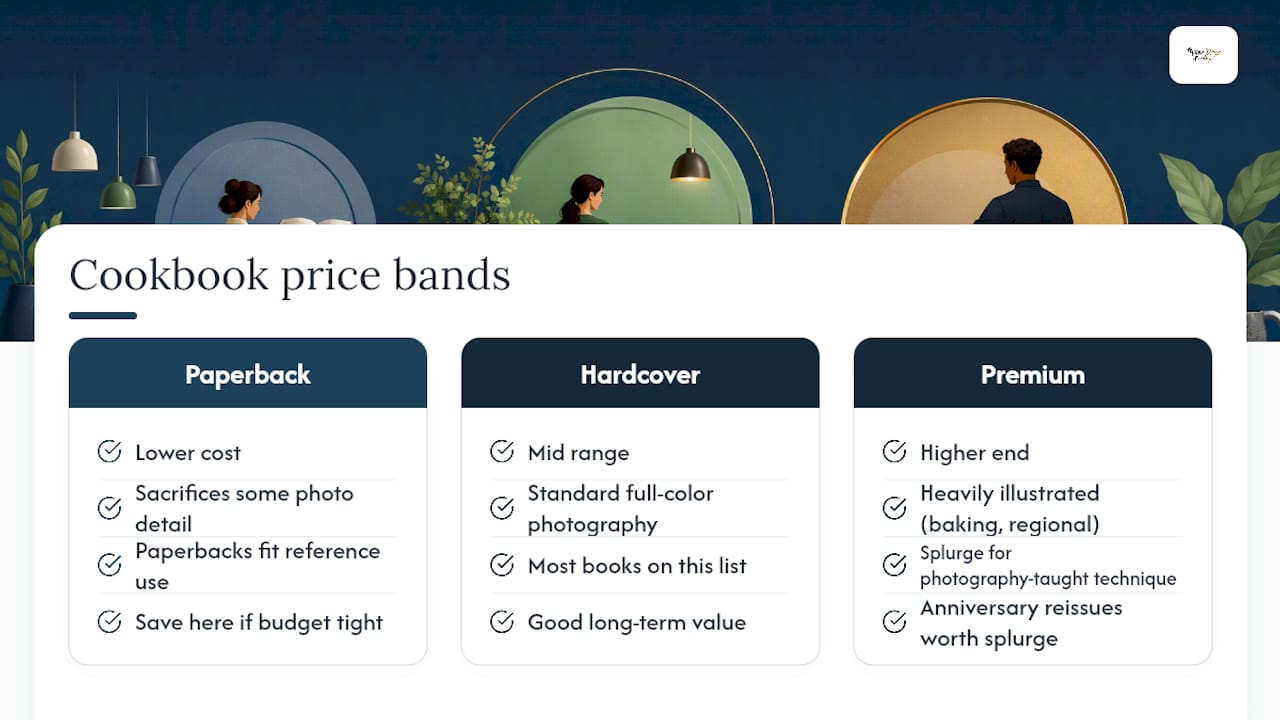
Cookbook pricing in 2026 breaks into three rough bands. Standard hardcover releases, the category most of this list falls into, typically land in the mid range, reflecting the cost of full-color photography and quality binding. Paperback reference books, like earlier editions of How to Cook Everything, cost less but sacrifice some photo detail. Premium illustrated editions, especially baking and regional titles with heavy photography like Cake From Lucie, sit at the higher end of the range.
Value doesn’t always track with price. A dense reference book you’ll use for a decade, like Bittman’s updated edition, often delivers more per dollar than a niche title you cook from twice. Weigh how often you’ll actually return to a book, not just how good it looks on a shelf.
If budget is tight, prioritize spending on books where photography teaches technique, baking and plating-heavy titles, and save money on reference books where a paperback text-first edition works just as well as an illustrated hardcover. Anniversary reissues are usually worth the splurge since they rarely get reprinted again soon after.
An Editor’s Note on Cookbooks in 2026
Curating this list came down to one question over and over: would a home cook actually reach for this book on a Tuesday night? So much cookbook coverage gets seduced by photography alone, and beautiful books that never leave the coffee table don’t deserve the same praise as ones with splattered, dog-eared pages.
What struck me most this year is how many authors trusted readers with the “why,” not just the “what.” That’s a harder book to write and a better one to own.
If you’ve found a 2026 title that’s earned a permanent spot on your counter, I’d genuinely like to hear about it.
— Alan
Turning These Cookbooks Into Real Meals With the Right Tools
A gorgeous cookbook only gets you halfway there. The right tools close the gap between reading a recipe and actually pulling it off the way the author intended. If you’re working through a baking-heavy pick like Cake From Lucie, a dependable stand mixer changes everything about consistency, especially for laminated dough and whipped batters that punish inconsistent mixing.
For technique-focused books like Hello, Home Cooking or regional deep dives like A Day in Seoul, your knife matters more than any other tool in the kitchen. A professional chef knife set gives you the control that El-Waylly’s braising and knife-work chapters actually assume you have, rather than fighting a dull blade through every prep step. Wine Drop Cookery built its knife and equipment selection around exactly this problem: cookbooks teach technique, but subpar tools quietly undermine it. Browse the full essential kitchen tools collection to find the pieces that match your 2026 reading list, whether that’s a scale for precise baking or a mixer that finally makes dough chapters approachable. Pick your next cookbook, then check your toolkit against it before your first cooking session.
Sources
- How to Cook Everything by Mark Bittman | Penguin Random House
- The 26 Best Cookbooks of 2025, According to Serious Eats Editors
- The Best New Cookbooks of Spring 2026 | Bon Appétit
- The 15 Spring Cookbooks We’re Excited About This Year | Eater
FAQ
What are the top 10 best selling cookbooks right now?
Bestseller rankings shift weekly, but 2026’s strongest sellers include Hello, Home Cooking, Obsessed With the Best, The Taste of Country Cooking: 50th Anniversary Edition, and Cake From Lucie, alongside Mark Bittman’s newly revised How to Cook Everything.
What is the highest rated cookbook?
Ratings vary by platform and audience, but The Taste of Country Cooking: 50th Anniversary Edition consistently earns some of the highest praise this year for pairing a beloved classic with updated photography, a combination Bon Appétit’s spring 2026 roundup called one of the season’s standout reissues.
What are the hottest new cookbooks right now?
Hello, Home Cooking by Ham El-Waylly and A Day in Seoul by Julien Kim are generating the most buzz this season for their distinct teaching voices, alongside strong momentum for baking-focused titles like Cake From Lucie.
What are the top 10 cookbooks?
Our top 10 spans baking, regional, technique, and reference categories: Hello, Home Cooking, Obsessed With the Best, The Taste of Country Cooking: 50th Anniversary Edition, Cake From Lucie, A Day in Seoul, the revised How to Cook Everything, a standout barbecue title, a weeknight-focused collection, Cook This Book, and the Serious Eats staff favorites list.
Are illustrated cookbooks worth the extra cost?
Yes, when the photography teaches technique rather than just looking appealing, particularly for baking and plating-heavy books where visual reference prevents guesswork.
0 comments