

Best Wine Glasses of 2026: Expert-Tested Picks

What are the best wine glasses right now?
The top two picks, confirmed by expert taste tests, are the Zalto Denk’Art Universal Glass and the Gabriel-Glas Stand’art Universal Glass. Zalto wins for fruit-forward flavor expression, especially with reds. Gabriel-Glas Stand’art wins for value, durability, and sequential flavor delivery that sharpens your palate over time. Every other glass on this list earns its place for a specific reason, whether that’s aroma concentration, budget friendliness, or technical innovation.
Here’s how the full field compares across price, material, design, best use, and durability.
| Glass | Price (per stem) | Material | Design Feature | Best For | Durability |
|---|---|---|---|---|---|
| Zalto Denk’Art Universal Glass | ~$78 | Lead-free crystal, handblown | Featherlight, straight-sided bowl | All wines, especially reds | Moderate; handle with care |
| Gabriel-Glas Stand’art Universal Glass | ~$29 | Lead-free crystal, machine-blown | Seamless single-piece, laser-cut rim | Universal, everyday use | High; chip-resistant, dishwasher-safe |
| Riedel Cabernet Sauvignon Merlot glass | — | Crystal | Wide bowl, tailored for Bordeaux | Full-bodied reds | Good; well-established construction |
| Riedel Bordeaux Grand Cru wine glass | $78 | Lead-free crystal | Large bowl, wide rim for aeration | Heavy reds needing aeration | Good |
| Gabriel-Glas Gold Edition | — | Lead-free crystal, handblown | Handmade, luxurious feel | All wine types | Moderate |
| Josephinenhütte Josephine Universal | Splurge tier | Lead-free crystal, mouth-blown | Sharp-angled bowl, unique indent | All wines; opens wine quickly | Excellent balance; delicate but sturdy |
| JR + RB ‘1’ Universal Glass | Mid-high | Lead-free crystal | Expert-designed universal form | Multi-type wine enjoyment | Good |
| Sensory Glass by Roberto Conterno and Zwiesel Kristallglas | Mid-high | Tritan crystal | Technical precision design | Enthusiasts valuing tradition and tech | High; Tritan construction |
| Zwiesel 1872 Select Riesling Grand Cru | Mid-high | Crystal | Tailored for aromatic whites | White and aromatic wines | Good |
| Riedel Veritas | $29 | Crystal | Variety-specific shapes | Versatile wine drinking | Good |
| Spiegelau Vino Grande | Budget | Crystal glass | Classic shape, broad appeal | Casual and everyday use | High; durable construction |
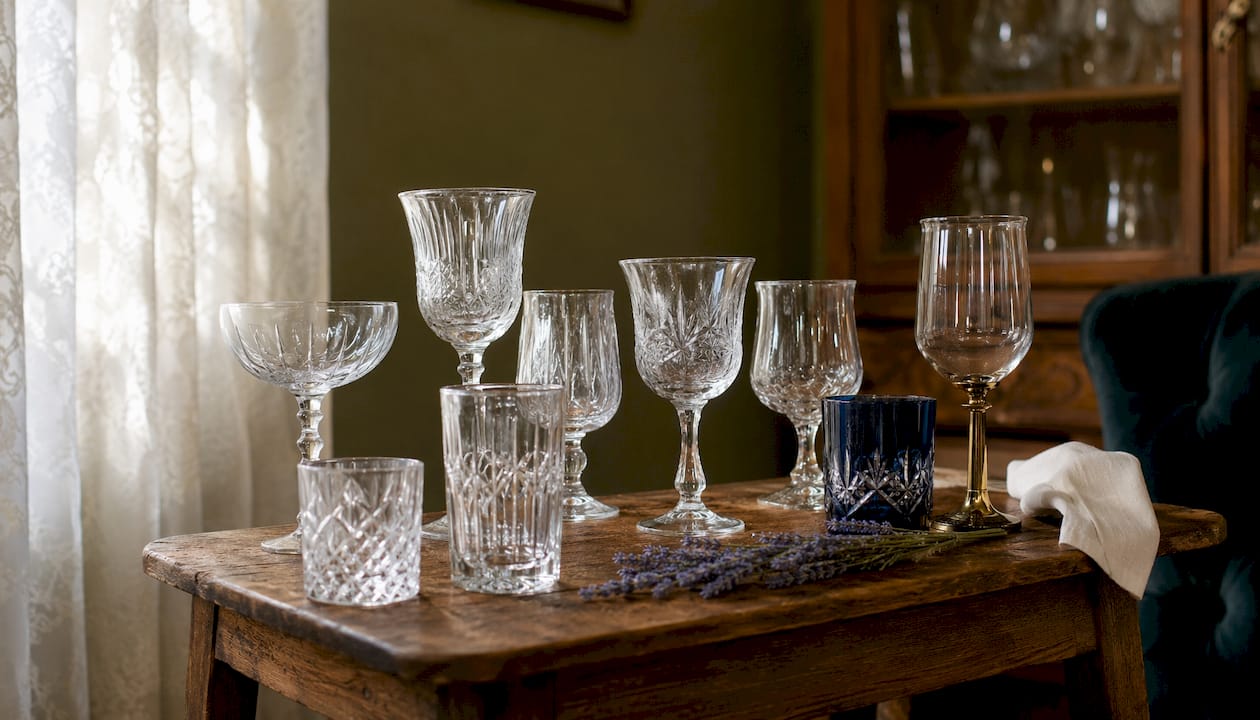
A closer look at how these glasses actually perform
The Zalto Denk’Art Universal Glass is genuinely featherlight, and that physical quality changes how you interact with the wine. You swirl more freely, you hold it longer, and the straight-sided bowl funnels aromas directly to your nose without the burn you get from a too-narrow opening. At around $78 per stem, it’s a considered purchase, but sommeliers consistently reach for it at home and in professional tastings.
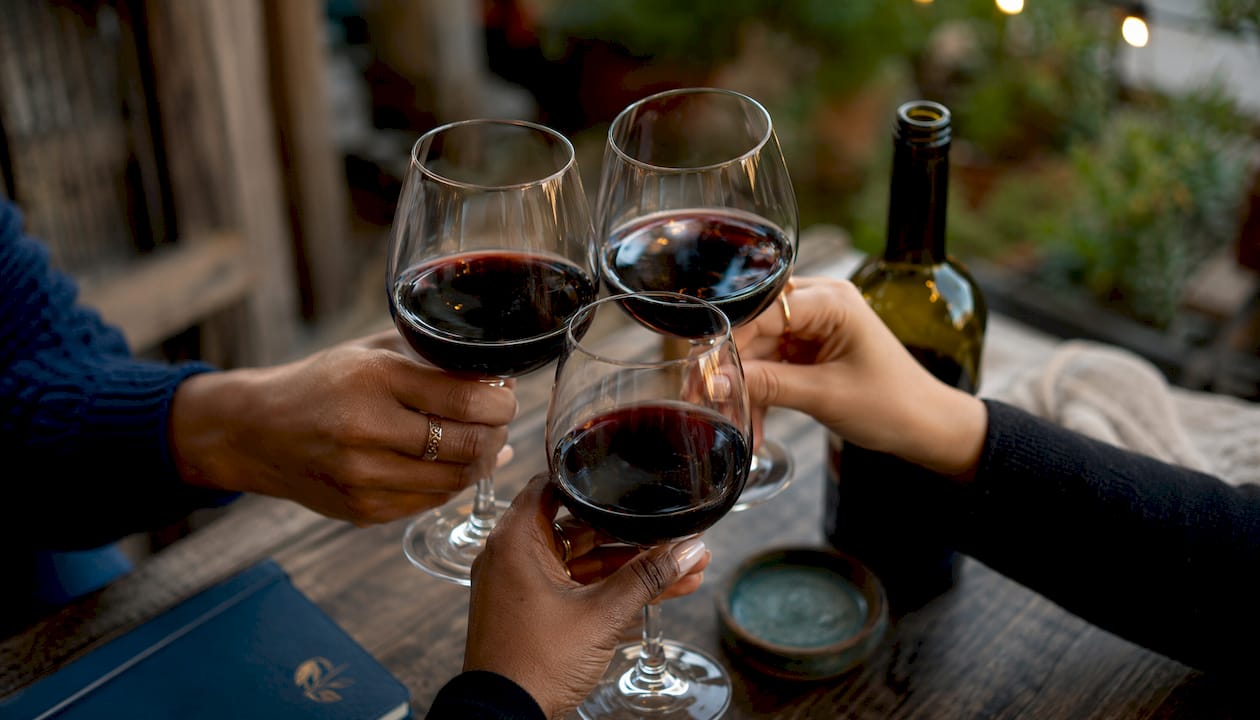
Gabriel-Glas Stand’art is the practical counterargument to Zalto’s elegance. Its seamless single-piece construction eliminates the stress points where multi-piece glasses typically break, which is why a tasting room attendant once dropped one and it bounced rather than shattered. The laser-cut rim is diamond-polished to be both ultra-thin and chip-resistant, delivering a more than 50% increase in chip resistance compared to traditional fire-polished rims. Wirecutter named it an Upgrade Pick for 2025, and the ~$29 price point makes it the clearest value on this list.
The Riedel Cabernet Sauvignon Merlot glass and Riedel Bordeaux Grand Cru represent a different philosophy: shape matched to a specific wine style. The Bordeaux Grand Cru’s large bowl and wide rim give heavy reds room to breathe, integrating fruit, oak, and alcohol before the wine reaches your palate. Riedel Veritas offers a similar sensory payoff at a lower price, though it’s variety-specific rather than universal.
Pro Tip: If you’re building a collection from scratch, start with one excellent universal glass like the Gabriel-Glas Stand’art before investing in variety-specific shapes. You’ll learn more about what you actually drink before committing to specialty stems.
The Josephinenhütte Josephine Universal, designed by Kurt Josef Zalto (yes, that Zalto family), takes a sharper, more architectural approach. Its broad, indented bowl opens wine quickly and concentrates aromas in a way that rewards patience. Serious Eats testers found it second only to Zalto in balance, and its handmade, mouth-blown construction gives it a presence that feels special without being precious.
For white wine drinkers, the Zwiesel 1872 Select Riesling Grand Cru is purpose-built. Its narrower bowl preserves temperature and concentrates the floral, mineral aromatics that make Riesling worth drinking in the first place. The Sensory Glass by Roberto Conterno and Zwiesel Kristallglas takes a different route, merging sommelier intuition with Tritan crystal’s durability. Zwiesel’s 2026 innovations continue this direction, prioritizing multi-functional design that performs in both professional and home environments.
The JR + RB ‘1’ Universal Glass, a collaboration between critic Jancis Robinson and designer Richard Brendon, is a considered middle path. It’s not trying to be the most dramatic glass in the room. It’s trying to show every wine clearly, and it does that well. Spiegelau Vino Grande sits at the other end of the spectrum: affordable, durable, and honest about what it is. For casual entertaining or outdoor use, it’s the right call.
What to look for when choosing the best wine glasses
Glass shape influences aroma more than brand name alone. A well-shaped $30 glass will outperform a poorly shaped $100 one every time. Here’s what actually matters when you’re evaluating a stem.
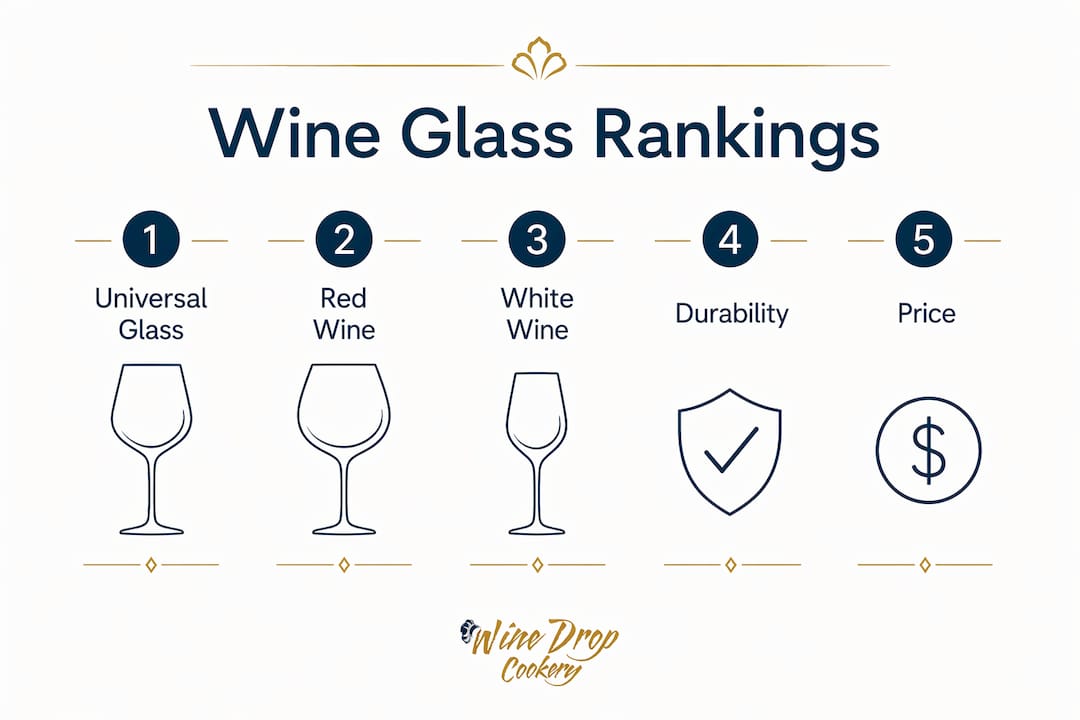
- Bowl size and shape: Larger, wider bowls suit red wines by allowing aeration and spreading deeper aromatics. Smaller, narrower bowls preserve the concentrated aromas and cooler temperature of white wines. A universal bowl splits the difference and handles both well.
- Rim thickness: Thinner is better. A thick, beaded lip pulls your attention away from the wine. Look for laser-cut or fire-polished rims; the former tends to be thinner and more chip-resistant.
- Stem design and balance: A well-balanced stem lets you swirl without effort. Featherlight stems like Zalto’s feel luxurious but demand careful handling. Heavier stems like Spiegelau Vino Grande trade elegance for stability.
- Material quality: Lead-free crystal offers superior clarity and a refined mouthfeel compared to standard glass. Single-piece seamless construction eliminates weak joints and significantly extends a glass’s lifespan.
- Universal vs. specialty shapes: Wine professionals recommend one high-quality universal glass over a cabinet full of rarely used specialty stems. It’s more practical, more consistent, and easier to store.
- Durability and care: Many crystal glasses claim dishwasher safety, but hand-washing or gentle dishwasher cycles with stemware racks significantly extend their life by preventing etching and thermal fatigue. Cloudiness from etching degrades both appearance and the tasting experience.
- Avoid over-specializing early: If you drink mostly one or two wine styles, a universal glass covers you. Specialty Burgundy or Bordeaux stems are worth adding only once you know you’ll actually use them.
What type of wine glass do you actually need?
Most wine drinkers need fewer glasses than they think. Here’s a clear breakdown of each type and when it earns its place on your shelf.
- Universal glasses: The practical choice for most people. A midsize bowl aerates reds adequately while keeping whites focused and cool. Sommeliers use universal stems at home because they maximize space without sacrificing quality. Zalto Denk’Art Universal and Gabriel-Glas Stand’art are the benchmarks.
- Red wine glasses: Larger, rounder bowls let heavier reds breathe and spread their aromatics. A Bordeaux glass like the Riedel Bordeaux Grand Cru has a wide rim that directs wine to the back of the palate, integrating tannins. A Burgundy glass has a wider middle and narrower opening to trap the more delicate aromatics of lighter reds like Pinot Noir.
- White wine glasses: Smaller bowls and narrower openings keep aromas concentrated and temperature consistent. The Zwiesel 1872 Select Riesling Grand Cru is built exactly for this purpose. A universal glass works fine for whites, but if Riesling or Chardonnay is your focus, a dedicated white glass rewards the investment.
- Sparkling wine glasses: Skip the flute. Sommeliers advise using universal glasses for sparkling wine because the wider bowl lets you actually smell what you’re drinking. A flute concentrates bubbles but cuts off aromatic expression. The Zalto Denk’Art Champagne glass is the specialist option if you want a dedicated sparkling stem.
- Digestif glasses: Shaped like a miniature Burgundy glass, with a wide base and narrow rim. The wide base increases surface area so aromas can develop; the narrow rim concentrates them toward your nose. These are genuinely useful if you drink amaro, port, or aged spirits regularly.
Wine Drop Cookery’s stemware picks for home entertaining
Wine Drop Cookery carries a focused selection of stemware built for both everyday use and special occasions. Each piece is chosen for craftsmanship, durability, and the kind of design that makes a table setting feel intentional.
- Riedel Cabernet Sauvignon Merlot glass: A classic Bordeaux-style bowl that enhances the deep, dense aromatics of full-bodied reds. Crystal construction, well-balanced, and priced accessibly for everyday use.
- Riedel Bordeaux Grand Cru wine glass: The premium option for serious red wine drinkers. The large bowl and wide rim give heavy Cabernet Sauvignon and Merlot blends the aeration they need to show at their best.
- Wicked Wine Glasses Set: A uniquely styled set that works as a gift or a conversation piece at the table. Functional design with personality.
- Acacia Wood Wine Glass Caddy: A practical serving and storage solution that keeps your stems organized and ready. Especially useful when entertaining a group and moving glasses from kitchen to table.
- Delft Stemless Wine Glass Box Set: Dishwasher-safe crystal in a gift-ready box. The stemless format suits casual settings and outdoor entertaining where stability matters more than ceremony.
Wine Drop Cookery’s approach is straightforward: curate products that perform well and look good doing it, without requiring you to become a glassware collector to enjoy them.
Wine Drop Cookery offers more than just great glasses
If you’ve been comparing stems and thinking about how the rest of your table setup measures up, Wine Drop Cookery is worth a look. The site carries the Riedel glasses featured in this article alongside a broader range of kitchen and dining essentials built for home cooks who take their entertaining seriously. You won’t find a warehouse of options; you’ll find a curated selection where every product earns its place. From the glasses you pour into to the kitchen utensil sets you prep with, the focus is always on quality that holds up to real use. It’s a different approach from hunting across a dozen specialty retailers, and for most home entertainers, a simpler one.
Key Takeaways
The best wine glasses combine the right bowl shape, thin crystal construction, and a rim that stays out of the way so the wine can do the talking.
| Point | Details |
|---|---|
| Top two expert picks | Zalto Denk’Art Universal Glass for flavor expression; Gabriel-Glas Stand’art for value and durability. |
| Universal glasses suit most drinkers | One quality universal stem handles reds, whites, and sparkling wines without a cabinet full of specialty shapes. |
| Construction matters as much as brand | Seamless single-piece crystal with a laser-cut rim delivers better chip resistance and a finer drinking experience. |
| Care extends glass life | Hand-washing or gentle dishwasher cycles with stemware racks prevent etching and extend the life of thin crystal. |
| Wine Drop Cookery’s picks | The Riedel Cabernet Sauvignon Merlot and Bordeaux Grand Cru glasses are available directly through Wine Drop Cookery for everyday and special-occasion use. |
Leave a comment